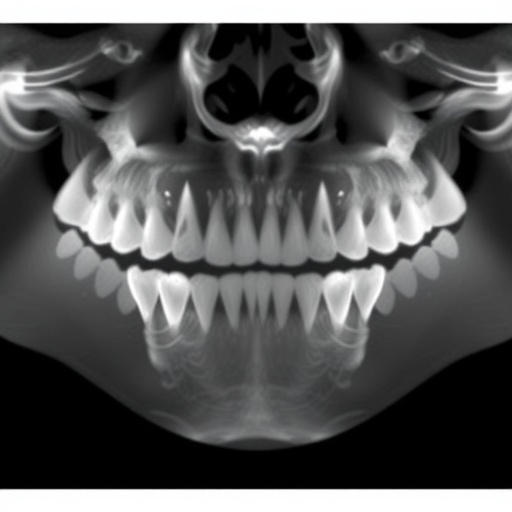
In an era where artificial intelligence is profoundly influencing various sectors, a groundbreaking approach to oral cancer detection is generating significant attention among researchers and clinicians alike. The novel system, known as TriGWONet, stands out due to its lightweight multibranch convolutional neural network architecture. Developed by a team of dedicated researchers including Kabir, M.F., Uddin, R., and Rahat, S.K.R.U.I., this innovative model employs gray wolf optimization techniques that promise to transform the landscape of oral cancer image classification.
TriGWONet’s design is pivotal in addressing a relentless challenge within medical imaging: accuracy. Oral cancer diagnosis relies heavily on the analysis of clinical images, and any misclassification can result in dire consequences for patients. Over the years, the evolution of convolutional neural networks (CNNs) has proven beneficial for image categorization tasks, enhancing diagnostic precision in diverse medical fields. Yet, many existing models are computationally intensive, rendering them less feasible for widespread clinical application.
The lightweight nature of TriGWONet signifies a strategic breakthrough. Unlike heavier models that demand extensive computational resources and power, TriGWONet is designed to operate efficiently on lower-spec devices. This efficiency enables broader accessibility, allowing healthcare practitioners in resource-limited environments to utilize advanced diagnostic tools without incurring exorbitant costs. Such democratization of technology holds the potential to increase early detection rates for oral cancer, which is vital in improving patient outcomes.
Moreover, the integration of gray wolf optimization into the model’s training phases cannot be overlooked. This optimization technique, inspired by the hunting strategy of gray wolves, promotes the exploration and exploitation of the solution space effectively. By simulating a pack’s behavior while hunting, the algorithm can fine-tune the neural network’s parameters, resulting in enhanced accuracy and efficiency. As a result, TriGWONet not only promises swift processing times but also delivers improved diagnostic accuracy, which is indispensable in medical practices.
The research team meticulously trained TriGWONet on a diverse dataset comprising thousands of oral cancer images. This extensive training phase ensured that the model could recognize a wide variety of cancerous features, ranging from early-stage lesions to more advanced manifestations of the disease. The diversity within the training data underscores the model’s robustness, suggesting that it can adapt to various presentation styles of oral cancer, which varies significantly among patients globally.
In practical applications, the implications of deploying TriGWONet are monumental. Healthcare professionals can leverage this technology to analyze image data during routine check-ups or specialized screenings. With instant access to high-accuracy assessments, doctors can make quicker, informed decisions about the necessary interventions. This acceleration in the diagnostic process can contribute to a paradigm shift in how oral cancer is monitored and treated, potentially saving lives through earlier interventions.
Furthermore, the potential for TriGWONet to integrate seamlessly with existing healthcare infrastructures amplifies its significance. By utilizing standard imaging techniques and leveraging cloud-based systems, healthcare systems can efficiently incorporate this technology into their workflows. As a result, the burden on healthcare providers could be alleviated, allowing them to focus more on direct patient care rather than lengthy diagnostic processes.
The success of TriGWONet could also stimulate further research and innovation within the realm of medical AI. As more researchers observe the accomplishments of models like TriGWONet, the impetus to explore various optimization strategies and architectural innovations for CNNs will likely escalate. This ripple effect could lead to advancements across numerous sectors, including radiology, pathology, and even preventative medicine.
Nonetheless, the deployment of AI systems in healthcare does not come without challenges. Ethical concerns surrounding patient data privacy, the potential for algorithmic bias, and the necessity for regulatory frameworks to ensure safety and efficacy will demand ongoing discussions. As such, continual collaboration among researchers, clinicians, and policymakers is fundamental to ensure that the technology addresses patient needs effectively while maintaining ethical integrity.
Looking forward, the potential expansions of TriGWONet’s capabilities raise intriguing possibilities. Researchers envision the model evolving to tackle not only oral cancer but also other forms of malignancies through the adaptation of its architecture. This versatility showcases the potential for an overarching platform that can analyze various cancer types, thus accelerating the pace of breakthroughs in cancer diagnosis.
The resultant collaboration among interdisciplinary teams, combining expertise from oncology, computer science, and bioinformatics, will be instrumental in realizing these ambitious goals. Together, these fields can synthesize their knowledge to further enhance artificial intelligence’s contribution to healthcare.
As TriGWONet steps into the limelight, the excitement surrounding its capabilities is palpable. Its arrival heralds a new chapter in the fight against oral cancer, offering both hope and possibilities for improved patient care. By harmonizing cutting-edge technology with clinical necessities, TriGWONet exemplifies the future of medical diagnosis, where innovation meets compassion.
In conclusion, the development of TriGWONet, utilizing lightweight multibranch convolutional neural networks paired with gray wolf optimizations, offers an exciting avenue for oral cancer image classification. The implications of such advancements not only promise a significant uplift in diagnostic precision but also present a model for future innovations in the AI healthcare sector. As we gaze into the horizon of possibilities, one thing remains clear: the blend of technology and medicine holds incredible potential for transforming lives, fostering early detection, and improving overall patient outcomes.
Subject of Research: Oral Cancer Image Classification Using AI
Article Title: TriGWONet: A Lightweight Multibranch Convolutional Neural Network Using Gray Wolf Optimization for Accurate Oral Cancer Image Classification
Article References:
Kabir, M.F., Uddin, R., Rahat, S.K.R.U.I. et al. TriGWONet a lightweight multibranch convolutional neural network using gray wolf optimization for accurate oral cancer image classification. Discov Artif Intell (2026). https://doi.org/10.1007/s44163-025-00776-x
Image Credits: AI Generated
DOI: 10.1007/s44163-025-00776-x
Keywords: AI, Oral Cancer, Image Classification, Convolutional Neural Networks, Gray Wolf Optimization.
Tags: advancements in oral cancer diagnosisartificial intelligence in healthcareconvolutional neural networks for cancer detectiondemocratizing access to diagnostic toolsefficient medical imaging technologyenhancing diagnostic accuracy in medicinegray wolf optimization in medical imaginglightweight AI models for diagnosticsoral cancer detectionoral cancer image classificationresource-limited healthcare solutionsTriGWONet convolutional neural network