• HOME
  • NEWS
  • EXPLORE
    • CAREER
      • Companies
      • Jobs
    • EVENTS
    • iGEM
      • News
      • Team
    • PHOTOS
    • VIDEO
    • WIKI
  • BLOG
  • COMMUNITY
    • FACEBOOK
    • INSTAGRAM
    • TWITTER
Wednesday, August 5, 2026
BIOENGINEER.ORG
No Result
View All Result
  • Login
  • HOME
  • NEWS
  • EXPLORE
    • CAREER
      • Companies
      • Jobs
        • Lecturer
        • PhD Studentship
        • Postdoc
        • Research Assistant
    • EVENTS
    • iGEM
      • News
      • Team
    • PHOTOS
    • VIDEO
    • WIKI
  • BLOG
  • COMMUNITY
    • FACEBOOK
    • INSTAGRAM
    • TWITTER
  • HOME
  • NEWS
  • EXPLORE
    • CAREER
      • Companies
      • Jobs
        • Lecturer
        • PhD Studentship
        • Postdoc
        • Research Assistant
    • EVENTS
    • iGEM
      • News
      • Team
    • PHOTOS
    • VIDEO
    • WIKI
  • BLOG
  • COMMUNITY
    • FACEBOOK
    • INSTAGRAM
    • TWITTER
No Result
View All Result
Bioengineer.org
No Result
View All Result
Home NEWS Science News Health

Transforming all donated blood into a universal type

Bioengineer by Bioengineer
April 29, 2015
in Health
Reading Time: 1 min read
0
Share on FacebookShare on TwitterShare on LinkedinShare on RedditShare on Telegram

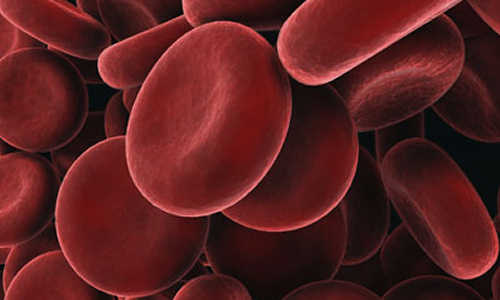
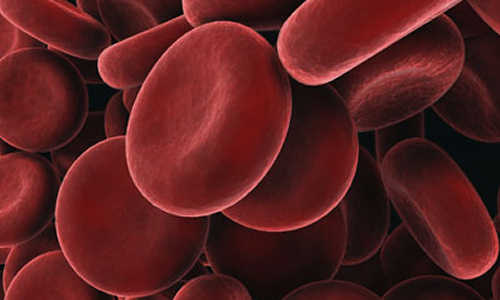
Every day, thousands of people need donated blood. But only blood without A- or B-type antigens, such as type O, can be given to all of those in need, and it’s usually in short supply. Now scientists are making strides toward fixing the situation. In ACS’ Journal of the American Chemical Society, they report an efficient way to transform A and B blood into a neutral type that can be given to any patient.
blood

Stephen G. Withers and colleagues note that currently, blood transfusions require that the blood type of the donor match that of the recipient. If they aren’t the same, a patient can suffer serious side effects, and could even die. The exception is the universal-donor blood type O, which can be given to anyone because it doesn’t have the A or B antigens that could provoke an immune reaction. For years, scientists have been searching for a way to convert types A and B into type O. They found that some enzymes from bacteria can clip the sugars off red blood cells that give blood its “type.” But the enzymes are not very efficient. Withers’ team wanted to see if they could boost the enzymes’ activity.

The researchers tweaked one of those enzymes and improved its ability to remove type-determining sugars by 170-fold, rendering it antigen-neutral and more likely to be accepted by patients regardless of their blood type. In addition to blood transfusions, the researchers say their advance could potentially allow organ and tissue transplants from donors that would otherwise be mismatched.

Story Source:

The above story is based on materials provided by American Chemical Society.
Share14Tweet9Share2ShareShareShare2

Related Posts

How Long Should Therapeutic Hypothermia Continue After Out-of-Hospital Cardiac Arrest?

August 5, 2026

Sensor crosstalk between norepinephrine and dopamine depends on local nerve density

August 5, 2026

Vitamin B5 boosts anti-PD-1 therapy in HER2-positive gastric cancer, enhancing B–T interactions

August 5, 2026

Families of Children with Dextro-Transposition of Great Arteries Show Resilience

August 5, 2026
Please login to join discussion

POPULAR NEWS

  • Electrostatic Quantum Nanocorral Traps Composite Charged Excitons

    29 shares
    Share 12 Tweet 7
  • How Long Should Therapeutic Hypothermia Continue After Out-of-Hospital Cardiac Arrest?

    29 shares
    Share 12 Tweet 7
  • Rewetting Severely Burned Peatlands May Deliver Surprising Climate Benefits

    29 shares
    Share 12 Tweet 7
  • Rare complete dodo skull reveals new clues about the extinct bird

    29 shares
    Share 12 Tweet 7

About

We bring you the latest biotechnology news from best research centers and universities around the world. Check our website.

Follow us

Recent News

Electrostatic Quantum Nanocorral Traps Composite Charged Excitons

How Long Should Therapeutic Hypothermia Continue After Out-of-Hospital Cardiac Arrest?

Rewetting Severely Burned Peatlands May Deliver Surprising Climate Benefits

Subscribe to Blog via Email

Enter your email address to subscribe to this blog and receive notifications of new posts by email.

Join 86 other subscribers
  • Contact Us

Bioengineer.org © Copyright 2023 All Rights Reserved.

Welcome Back!

Login to your account below

Forgotten Password?

Retrieve your password

Please enter your username or email address to reset your password.

Log In
No Result
View All Result
  • Homepages
    • Home Page 1
    • Home Page 2
  • News
  • National
  • Business
  • Health
  • Lifestyle
  • Science

Bioengineer.org © Copyright 2023 All Rights Reserved.