• HOME
  • NEWS
  • EXPLORE
    • CAREER
      • Companies
      • Jobs
    • EVENTS
    • iGEM
      • News
      • Team
    • PHOTOS
    • VIDEO
    • WIKI
  • BLOG
  • COMMUNITY
    • FACEBOOK
    • INSTAGRAM
    • TWITTER
Saturday, September 12, 2026
BIOENGINEER.ORG
No Result
View All Result
  • Login
  • HOME
  • NEWS
  • EXPLORE
    • CAREER
      • Companies
      • Jobs
        • Lecturer
        • PhD Studentship
        • Postdoc
        • Research Assistant
    • EVENTS
    • iGEM
      • News
      • Team
    • PHOTOS
    • VIDEO
    • WIKI
  • BLOG
  • COMMUNITY
    • FACEBOOK
    • INSTAGRAM
    • TWITTER
  • HOME
  • NEWS
  • EXPLORE
    • CAREER
      • Companies
      • Jobs
        • Lecturer
        • PhD Studentship
        • Postdoc
        • Research Assistant
    • EVENTS
    • iGEM
      • News
      • Team
    • PHOTOS
    • VIDEO
    • WIKI
  • BLOG
  • COMMUNITY
    • FACEBOOK
    • INSTAGRAM
    • TWITTER
No Result
View All Result
Bioengineer.org
No Result
View All Result
Home NEWS Science News Biology

Tiny fighters in sediments determine success of invasive marine plants

Bioengineer by Bioengineer
September 14, 2017
in Biology
Reading Time: 2 mins read
0
Share on FacebookShare on TwitterShare on LinkedinShare on RedditShare on Telegram
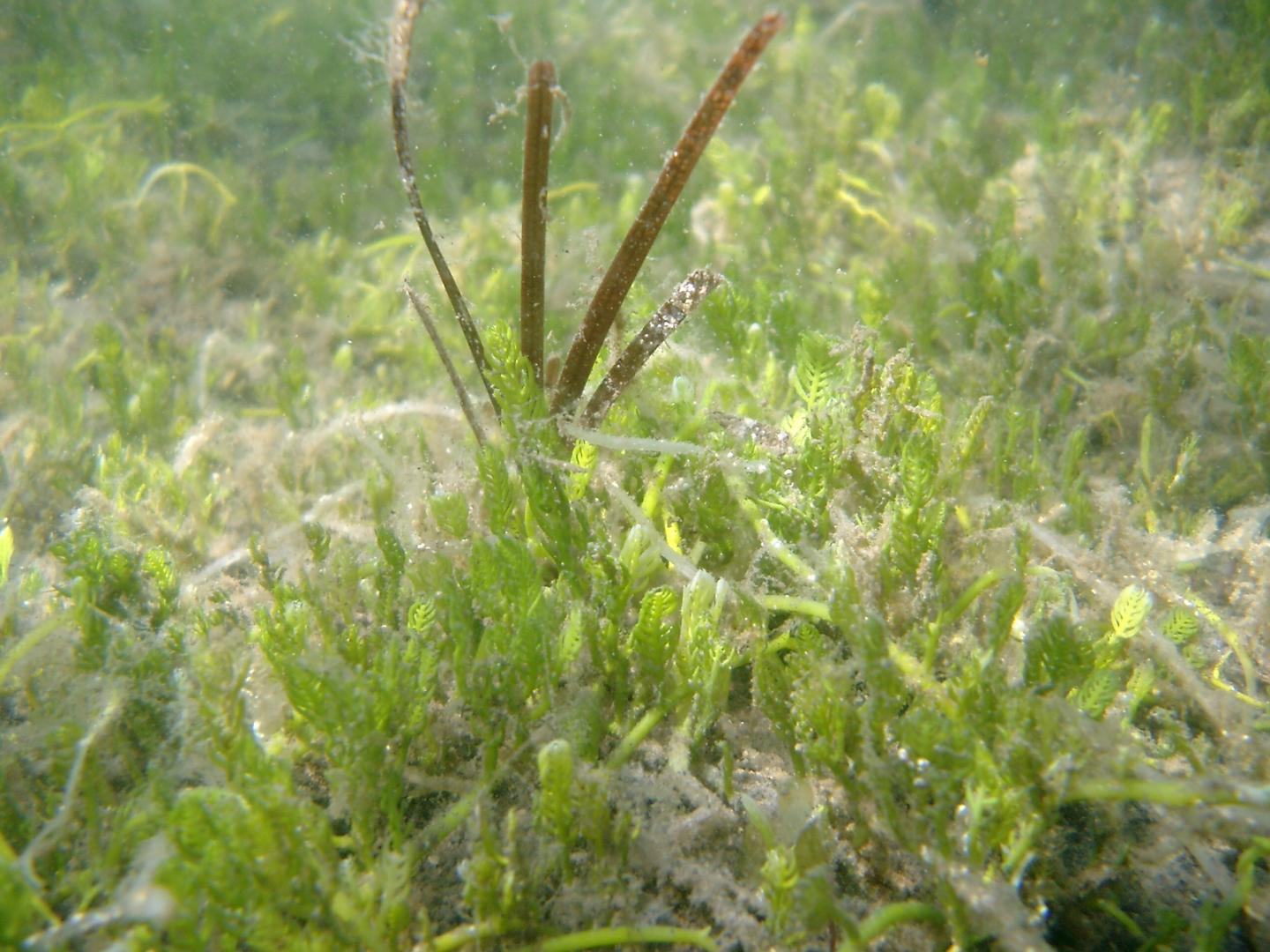
IMAGE

Credit: Image: Paul Gribben/UNSW

Armies of microbes that are invisible to the naked eye battle it out to determine whether exotic marine plants successfully invade new territory and replace native species, UNSW Sydney-led research shows.

The genetic study, which compared microbial communities in sediments associated with an invasive alga and a native seagrass in Sydney, is the first to test the idea that marine microbes play a critical role in the establishment of invasive marine species.

"We found that microbes associated with native species provide resistance to invasion, and microbes associated with invaders break down this resistance and may poison native plants," says study first author and UNSW scientist Associate Professor Paul Gribben.

"A battle is being waged below ground that can affect the outcome in this competition between exotic and native species. This has never been shown before in marine ecosystems and will transform how we think about, and manage, marine invasive species."

The study, by researchers from UNSW, the Sydney Institute of Marine Science, and UTS, Sydney, is published in the journal Scientific Reports.

Microbial communities in marine sediments control ecological processes, affecting the availability of nutrients and the chemistry of the soil.

For the new study, the researchers compared microbial communities living in sediments in a Sydney estuary. They tested sediments associated with a native seagrass, Zostera capricorni, and an alga, Caulerpa taxifolia, which is one of the 100 most invasive species in the world.

The microbial communities differed between the two samples, with the algal sediments having a higher proportion of microbes that produce sulphides, which can be extremely toxic to seagrasses, under low oxygen conditions.

The researchers also tested the effects of the different sediments on the growth of the algae. They found the sediments associated with the seagrass reduced algal growth, while the sediments associated with the algae had a positive effect on its growth.

"Our results shed light on why intact, dense beds of seagrass are resistant to colonisation by this alga," says Associate Professor Gribben.

"However, the balance of the microbes in the soil can be disturbed when seagrass beds start to decline due to other pressures, helping the alga invade new areas."

C. taxifolia is a fast-growing marine alga that is native to tropical Australia and the South Pacific, but which has colonised various areas outside its natural range.

It was first found in the state of NSW in 2000 and has spread to at last 14 NSW estuaries or lakes, from Lake Macquarie in the north to Wallagoot Lake in the south.

In the same way that gardeners add worms to soils to make them more productive, the researchers are exploring ways to restore the marine sediments and reduce the risk of invasion. This includes adding burrowing organisms to oxygenate sediments and restore healthy, functioning microbial communities.

###

Media contacts:

Associate Professor Paul Gribben: + 612 9385 2677, [email protected] UNSW Science media officer: Deborah Smith: + 612 9385 7307, +61 478 492 060, [email protected]

Media Contact

Deborah Smith
[email protected]
61-478-492-060
@UNSWnews

http://www.unsw.edu.au

Related Journal Article

http://dx.doi.org/10.1038/s41598-017-10231-2
Share12Tweet8Share2ShareShareShare2

Related Posts

T Cells Can Wipe Out Tumors Without Ever Recognizing Them

T Cells Can Wipe Out Tumors Without Ever Recognizing Them

September 12, 2026
Human and Mouse Adrenal Glands Follow Surprisingly Different Rules of Hormone Production and Renewal

Human and Mouse Adrenal Glands Follow Surprisingly Different Rules of Hormone Production and Renewal

September 12, 2026

Stashed at the Speckle’s Edge: Hidden RNA Stockpile Splices in Sync as Cells Divide

September 12, 2026

Goat Plague Under the Radar: Hidden Lung Disease Detected in Ethiopian Flocks

September 12, 2026
Please login to join discussion

POPULAR NEWS

  • Bile Acids Emerge as Master Regulators Linking Gut Microbes, Immunity and Cancer

    29 shares
    Share 12 Tweet 7
  • Lived Experience as Leverage: How Eating Disorder Advocates Confront a Broken Care System

    29 shares
    Share 12 Tweet 7
  • Nickel’s Surface Secrets: Three Species Steer Hydrogen Production in Alkaline Water

    29 shares
    Share 12 Tweet 7
  • T Cells Can Wipe Out Tumors Without Ever Recognizing Them

    29 shares
    Share 12 Tweet 7

About

We bring you the latest biotechnology news from best research centers and universities around the world. Check our website.

Follow us

Recent News

Bile Acids Emerge as Master Regulators Linking Gut Microbes, Immunity and Cancer

Lived Experience as Leverage: How Eating Disorder Advocates Confront a Broken Care System

Nickel’s Surface Secrets: Three Species Steer Hydrogen Production in Alkaline Water

Subscribe to Blog via Email

Enter your email address to subscribe to this blog and receive notifications of new posts by email.

Join 85 other subscribers
  • Contact Us

Bioengineer.org © Copyright 2023 All Rights Reserved.

Welcome Back!

Login to your account below

Forgotten Password?

Retrieve your password

Please enter your username or email address to reset your password.

Log In
No Result
View All Result
  • Homepages
    • Home Page 1
    • Home Page 2
  • News
  • National
  • Business
  • Health
  • Lifestyle
  • Science

Bioengineer.org © Copyright 2023 All Rights Reserved.