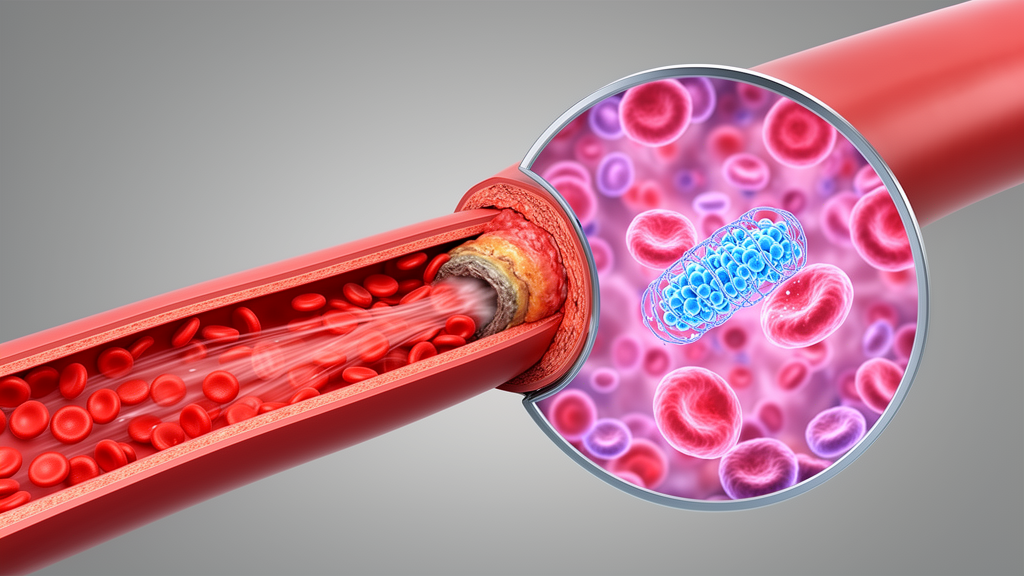
Timely restoration of coronary blood flow stands as the only established method to salvage ischemic myocardium from irreversible necrosis, systematically transforming acute myocardial infarction care and reducing in-hospital mortality from approximately twenty percent to five percent or less over the past half-century. According to an extensive historical perspective published in Basic Research in Cardiology by Gerd Heusch, Petra Kleinbongard, and Bernard J. Gersh, the clinical management of ST-segment elevation myocardial infarction underwent a profound revolution through progressive iterations of intravenous thrombolysis, mechanical catheter recanalization, and antiplatelet pharmacotherapy. Before the systematic adoption of reperfusion strategies, roughly one-fifth of hospitalized infarction patients died during their initial admission, a metric that excluded individuals who succumbed prior to hospital arrival or following discharge. Preclinical and clinical investigations confirmed that establishing an open culprit vessel not only limits acute myocardial tissue destruction but also significantly improves long-term survival among recovering patients. While the core pathophysiological principles of immediate flow restoration are now well established across cardiology, researchers emphasize that logistical execution remains the primary obstacle, requiring swift medical intervention to prevent progressive cardiac cell death across patient populations.
The conceptual framework underlying contemporary reperfusion therapy evolved from earlier pathological insights and pioneering pharmacological demonstrations that initially went unheeded by the mainstream cardiovascular community. James B. Herrick originally proposed that acute myocardial infarction stemmed directly from acute thrombotic obstruction of a coronary artery, a pathological deduction that coronary angiography by William DeWood and colleagues corroborated in clinical cohorts decades later. Translating this mechanical concept into medical therapeutics, Sol Sherry and coworkers became the first investigators to systematically administer intravenous streptokinase to a cohort of infarction patients during the late 1950s. Their clinical investigations demonstrated that initiating thrombolytic therapy relatively early, within nine to sixteen hours after symptom onset, substantially improved patient outcomes and curtailed mortality rates.
Preclinical animal experimentation during the early 1970s definitively confirmed that rapid vascular reopening directly halts the cellular progression of myocardial death, establishing quantitative infarct size as the definitive benchmark for cardiac protection. In 1971, Peter R. Maroko, John Ross Jr., Eugene Braunwald, and their colleagues demonstrated that altering hemodynamic parameters could modify myocardial necrosis during early coronary occlusion in experimental models, though their initial protocol omitted coronary reflow. One year later, in 1972, landmark investigations led by Ross in conscious canine models provided rigorous proof that restoring coronary flow after three hours of occlusion significantly reduced final infarct size. These animal studies fundamentally redefined acute cardiology by demonstrating that ischemic damage develops dynamically across time, establishing that prompt reperfusion halts the wavefront and salvages viable tissue.
Mechanical and localized pharmacological alternatives to systemic intravenous infusions emerged throughout the 1970s, establishing early technical feasibility for direct coronary recanalization. In 1975, intravenous urokinase paired with heparin was reported to reduce electrocardiographic markers of acute infarction and lower thirty-day mortality within a small clinical trial, though larger multicenter trials never followed to validate urokinase specifically. Moving directly to the anatomical obstruction, Eugene Chazov reported successful intracoronary streptokinase infusions in Moscow in 1976, achieving selective clot lysis in acute myocardial infarction patients. Although Chazov’s findings initially received limited attention in Western cardiology, Peter Rentrop and coworkers in Göttingen independently demonstrated the therapeutic efficacy of selective intracoronary streptokinase delivery in 1979. Crucially, Rentrop and his team had also achieved the earliest documented catheter-based mechanical recanalization in 1978 by traversing an acute thrombotic occlusion with a steerable guide wire, paving the way for subsequent balloon angioplasty studies led by Meyer and Hartzler.
Large-scale multicenter clinical trials throughout the 1980s and 1990s provided definitive empirical evidence establishing reperfusion as standard emergency care while refining pharmacological and mechanical methodologies. The landmark 1986 GISSI trial enrolled patients presenting within twelve hours of symptom onset, proving that intravenous streptokinase significantly reduced in-hospital mortality. Shortly thereafter, the TIMI-1 study proved that recombinant tissue plasminogen activator yielded higher arterial patency rates than streptokinase while introducing the standardized TIMI flow grade score to quantitatively grade angiographic reperfusion. The 1988 ISIS-2 trial demonstrated that adding oral aspirin to streptokinase yielded additive survival benefits, reducing all-cause mortality over fifteen months of follow-up. In 1993, the GUSTO trial confirmed that accelerated tissue plasminogen activator combined with intravenous heparin achieved superior vessel patency and lower thirty-day mortality compared to streptokinase regimens. Subsequent evaluations demonstrated that primary balloon angioplasty salvaged more myocardium than thrombolysis, while coronary stenting markedly curtailed restenosis. Furthermore, direct coronary stenting without prior balloon dilatation reduced microvascular injury, likely by sealing ruptured atherosclerotic plaques and curbing downstream microembolization. A comprehensive 2003 meta-analysis encompassing twenty-three randomized clinical trials confirmed that primary percutaneous coronary intervention with or without stenting reduced all-cause mortality more effectively than fibrinolysis, cementing mechanical catheter intervention as the preferred global reperfusion standard.
Modern clinical guidelines codified rapid arterial recanalization protocols while uncovering surprising biological windows of myocardial salvage in late-presenting patients. Contemporary European Society of Cardiology guidelines mandate reperfusion for ST-segment elevation myocardial infarction patients presenting within twelve hours of symptom onset, recommending primary percutaneous coronary intervention if achievable within 120 minutes of initial presentation, or immediate fibrinolysis when catheterization delays exceed that timeframe, always supported by antiplatelet therapy. Interestingly, clinical studies led by Adnan Schömig demonstrated measurable myocardial salvage and infarct size reduction on scintigraphy among patients treated with coronary stenting and abciximab twelve to forty-eight hours after symptom onset, preserving mortality reductions across four years of follow-up. Schömig’s group attributed these unexpected late benefits to myocardial hibernation, a temporary self-protective downregulation of cardiac metabolism in severely ischemic tissue initially described by Shahbudin Rahimtoola. Preclinical studies confirmed this reversible hibernation phenotype, demonstrating that delayed revascularization can rescue dormant cardiomyocytes. Nevertheless, clinical imaging registries continue to verify that final necrotic infarct size remains the primary determinant of long-term patient prognosis following catheter intervention.
Despite its life-saving therapeutic capacity, rapid coronary blood restoration inevitably precipitates a secondary cascade of tissue damage termed reperfusion injury. Experimental animal investigations originally recognized this paradox through the no-reflow phenomenon, wherein microvascular channels remained unperfused despite complete desobstruction of the upstream epicardial artery. Prolonged post-ischemic contractile dysfunction without cell death, designated as myocardial stunning, was first documented in canine models by Heyndrickx, Vatner, and collaborators in 1975. For decades, cardiovascular physiologists debated whether reperfusion directly triggers novel irreversible cardiomyocyte death or merely accelerates histological detection of pre-existing ischemic necrosis. In 2002, Derek Yellon and coworkers demonstrated in isolated rodent hearts that pharmacological administration of urocortin specifically at the exact onset of reflow significantly limited final infarct size. Definitive proof of ongoing reperfusion injury arrived in 2003, when Zhi-Qing Zhao, Jakob Vinten-Johansen, and colleagues showed that applying brief, intermittent cycles of coronary re-occlusion and reflow at the immediate onset of reperfusion, termed ischemic post-conditioning, significantly curbed infarct dimensions in dogs, confirming that tissue injury expands actively during early revascularization.
The realization that myocardial necrosis continues during early reflow stimulated intense scientific exploration into cardioprotective conditioning interventions designed to bolster cellular resilience. In 1986, Charles E. Murry, Keith A. Reimer, and Robert B. Jennings introduced ischemic preconditioning, demonstrating that four brief five-minute occlusion and reperfusion cycles preceding a sustained forty-minute occlusion dramatically reduced canine infarct size beyond the protective effects of reperfusion alone. Although preconditioning required intervention before arterial occlusion, limiting its clinical application to planned elective procedures, subsequent investigations expanded conditioning paradigms. Post-conditioning applied at reflow onset demonstrated acute clinical feasibility in acute myocardial infarction patients under Michel Ovize and colleagues. Concurrently, Karin Przyklenk and Robert A. Kloner discovered remote conditioning in 1993, proving that transient ischemia applied to distant organs or limbs conferred cardioprotective resistance upon the heart.
Extensive basic research successfully delineated numerous intracellular signaling cascades governing conditioning, yet pharmacologically targeting these pathways has largely failed to achieve consistent clinical efficacy. Investigators led by James M. Downey identified endogenous adenosine release and protein kinase C activation as critical upstream triggers of ischemic preconditioning. Subsequent mechanistic research by Derek J. Hausenloy, Derek Yellon, and Sandrine Lecour mapped survival networks including the reperfusion injury salvage kinase pathway and the survivor activating factor enhancement pathway. Despite robust preclinical efficacy, clinical trials targeting adenosine, blocking protein kinase C delta, or inhibiting the mitochondrial permeability transition pore with cyclosporine yielded neutral or contentious outcomes. Reviewers attribute this disappointing translational disconnect to critical methodological discrepancies, particularly the reliance on young, healthy animal models devoid of the aging processes, systemic comorbidities, and concomitant pharmacological regimens common to clinical cohorts. Furthermore, the exceptional survival rates achieved by prompt modern reperfusion reduce baseline mortality, creating an obstacle where incremental cardioprotective gains prove exceptionally difficult to demonstrate statistically in broad patient trials.
Faced with persistent translational hurdles, contemporary research explores refined patient stratification, mechanical unloading, and autonomic stimulation to achieve cardioprotection beyond reperfusion alone. Mechanical left ventricular unloading prior to reflow reduced experimental infarct size in porcine hearts, yet clinical trials utilizing transvalvular catheter pumps failed to demonstrate magnetic resonance imaging infarct reductions and produced higher rates of vascular complications and bleeding. Meanwhile, investigators are evaluating non-invasive transcutaneous auricular vagus nerve stimulation to modulate autonomic tone, alongside targeted remote conditioning trials like NCT04844931 focusing on high-risk Killip-class infarction patients. As summarized in the historical review, while timely coronary recanalization remains the foundational pillar of acute cardiology, developing validated cardioprotective adjuncts remains an imperative clinical ambition for patients facing extensive hemodynamic compromise or prolonged reperfusion delays.
Subject of Research: Historical development of coronary reperfusion therapy and cardioprotective strategies for acute myocardial infarction
Article Title: Historical account of reperfusion therapy and the development of cardioprotection beyond reperfusion
Article References: Heusch, G., Kleinbongard, P., & Gersh, B. J. (2026). Historical account of reperfusion therapy and the development of cardioprotection beyond reperfusion. Basic Research in Cardiology, 121(5), 817-825. https://doi.org/10.1007/s00395-026-01198-1
Image Credits: AI Generated
DOI: 10.1007/s00395-026-01198-1
Keywords: acute myocardial infarction, reperfusion therapy, cardioprotection, ischemic conditioning, infarct size, streptokinase, tissue plasminogen activator, percutaneous coronary intervention, reperfusion injury, ischemic preconditioning, remote ischemic conditioning, ischemic post-conditioning, myocardial stunning, microvascular injury, thrombolysis, stenting, mitochondrial permeability transition pore, vagus nerve stimulation
News Source: Ophelia Keating. (November 25, 2026). Timely Reperfusion Slashes Heart Attack Mortality While Cardioprotection Faces Persistent Clinical Barriers. Scienmag.