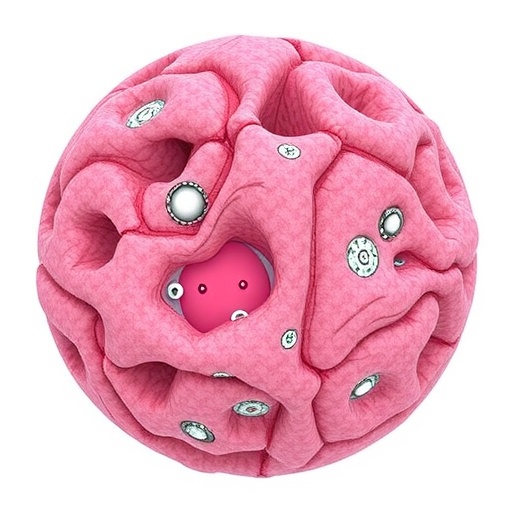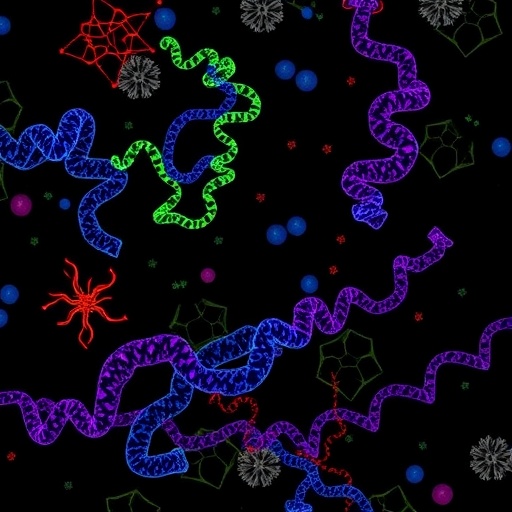
In a breakthrough that promises to reshape our understanding of molecular biology, an international team of scientists has unveiled more than 1,700 previously unknown proteins lurking within the so-called “dark proteome” of human cells. This dark proteome encompasses gene products originating from unconventional segments of DNA that had largely escaped scientific attention until now. Predominantly smaller than traditional proteins, these entities inhabit uncharted biological territory and have led researchers to propose a novel class dubbed “peptideins,” poised to open new vistas in biomedical research and drug development.
At the heart of this discovery lies the concept of non-canonical open reading frames (ncORFs)—segments of DNA that do not conform to the established criteria for protein-coding sequences. Historically, proteins have been defined primarily by their size and evolutionary conservation, with databases cataloging roughly 19,500 recognized human proteins. Yet this binary framework is proving insufficient. By mining over 7,200 ncORFs through a massive computational analysis involving 95,520 experimental datasets spanning approximately 20,000 hours of nonstop computation, the research consortium identified 1,785 novel microproteins, drastically expanding the known proteome by nearly 10%.
What sets these microproteins apart from their traditional counterparts is their diminutive size: about 65% of the newly identified peptideins contain fewer than 50 amino acids, whereas less than 1% of established proteins fall within this range. This stark difference not only challenges pre-existing protein definitions but also complicates functional annotation. Intriguingly, only a handful of these microproteins resemble known proteins structurally, suggesting that most peptideins represent a distinct biological category with potentially diverse and unconventional roles.
To address this conundrum, the researchers conceptualized peptideins as a third biological category alongside proteins and non-coding DNA sequences, reflecting a nuanced view where DNA can produce traditional proteins, peptideins, or nothing at all. Crucially, peptideins are protein-like molecules composed of amino acids that reside within cells, yet their functional significance is enigmatic. They may perform vital biological tasks, remain inert byproducts, or represent intermediates awaiting further characterization. This tentative classification invites the scientific community to investigate their roles more deeply.
Capitalizing on cutting-edge CRISPR gene editing technologies, the consortium conducted large-scale functional screens that spotlighted six peptideins critical for cellular survival—referred to as pan-essential peptideins. One standout peptidein, derived from the OLMALINC genetic locus previously discounted as non-coding, was shown to be indispensable for over 85% of more than 485 diverse cancer cell lines tested. This peptidein modulates fundamental cellular processes such as cell division and DNA damage repair, underscoring its potential as a therapeutic target.
Beyond their intracellular functions, many peptideins appear on the surfaces of cells where they might interact with the immune system, rendering them promising candidates for cancer immunotherapies. The ability of these peptideins to act as neoantigens—unique markers recognized by immune cells—could pave the way for novel vaccines and targeted treatments that harness the body’s own defenses to eliminate malignant cells. Pharmaceutical interest is mounting, with several peptidein-derived molecules already progressing through drug development pipelines.
The newfound recognition of peptideins also promises to illuminate obscure genetic diseases that have resisted explanation by traditional genomic analyses. Because peptidein-coding regions were historically ignored or misclassified as non-functional, their pathogenic roles have remained hidden. Incorporating peptideins into genetic diagnostics could therefore enhance the detection and understanding of heretofore enigmatic disorders, enabling more accurate diagnosis and potentially unveiling novel therapeutic avenues.
A compelling case study further reinforcing the biological importance of these small molecules emerged from prior research on ASNSD1-uORF, a microprotein instrumental in a high-risk pediatric brain cancer called medulloblastoma. The Princess Máxima Center for Pediatric Oncology is currently extending this line of investigation into other pediatric tumors, including neuroblastoma, especially those exhibiting activation of the MYC oncogene. These efforts underscore how peptideins can provide critical mechanistic insights into cancer biology, informing the development of precision oncology strategies.
Leading the charge at the Princess Máxima Center, Dr. Sebastiaan van Heesch points out that the traditional protein catalog significantly underrepresents the diversity of molecular actors within human cells. The classification of peptideins confers a formal status to these enigmatic molecules, enabling their systematic inclusion in reference databases and fostering a wave of research endeavors worldwide. He anticipates peptideins will swiftly emerge as central figures in drug discovery and cellular immunotherapy development, especially given their prevalence across varied tissues and pathological contexts.
Echoing this optimism, Dr. John Prensner from the University of Michigan Medical School describes the unveiling of the dark proteome as an early “trailer” to a groundbreaking cinematic release, signaling transformative changes in biological science and medicine. The untapped wealth of peptideins holds promise for revolutionizing approaches to complex diseases, cancer foremost among them.
Dr. Robert Moritz of the Institute for Systems Biology further elaborates on the magnitude of this achievement, emphasizing the decades-long investments in computational infrastructure and analytic pipelines that rendered this proteomic expansion feasible. His team’s deployment of the Trans Proteomic Pipeline across massive-scale mass spectrometry datasets has validated peptidein existence with unprecedented confidence. Importantly, Moritz envisions peptideins as just the beginning of a vast, unexplored molecular landscape, suggesting that these versatile regulators could revolutionize our understanding of gene regulation, signaling networks, and cellular persistence.
Together, this international consortium—comprising more than 60 scientists across 30 institutions, including the Princess Máxima Center, University of Michigan, EMBL’s European Bioinformatics Institute, and the Institute for Systems Biology—has created an open-access resource to accelerate worldwide peptidein research. Their work exemplifies how collaboration, computational prowess, and innovative biology converge to illuminate previously invisible dimensions of human molecular architecture, with profound implications for diagnostics, therapeutics, and fundamental biology.
As peptideins take their place on the molecular stage, the scientific and medical communities stand on the cusp of redefining long-held dogmas. This discovery not only expands the human proteome but catalyzes a paradigm shift, fostering new avenues to decode the complexity of life and disease. The dark proteome, once a biological blind spot, is now a vibrant frontier promising to unlock transformative biomedical innovations.
Subject of Research: Cells
Article Title: Expanding the human proteome with microproteins and peptideins
News Publication Date: 6-May-2026
Web References:
DOI: 10.1038/s41586-026-10459-x
Image Credits: Leron Kok/Princess Máxima Center for pediatric oncology
Keywords: Proteomics, Protein functions, Molecular targets, Drug targets, Cancer
Tags: computational proteomics analysisdark proteome proteinsdrug development targets proteinsexpanding human proteomemicroproteins in biomedical researchnon-canonical open reading framesnovel microproteins discoverypeptideins in human cellsprotein-coding sequence exceptionsproteome database expansionsmall protein biomoleculesunconventional DNA gene products