


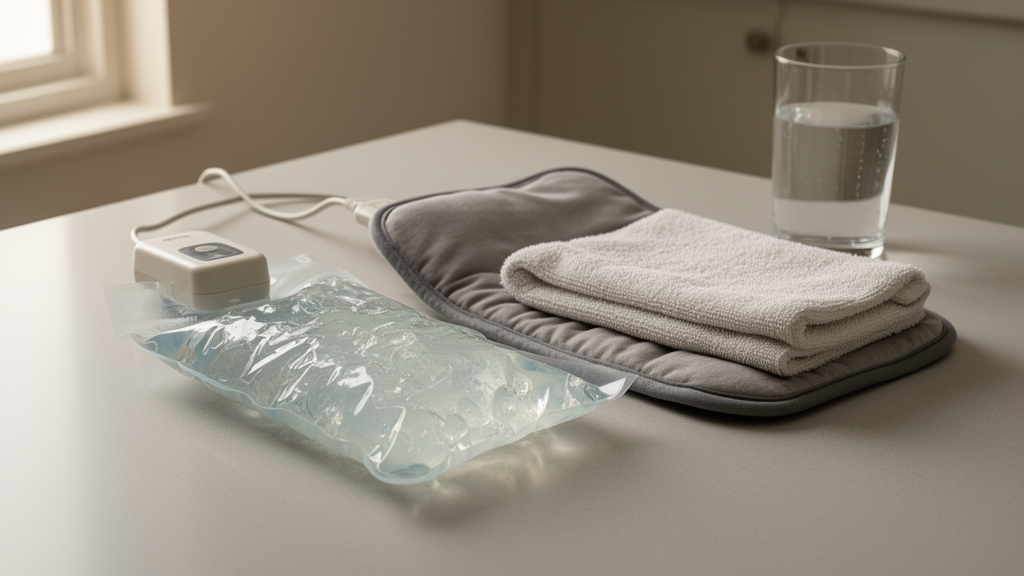
A retrospective descriptive study of FDA device reports received between 2016 and 2025 has found that passive thermal packs and powered heating pads account for the overwhelming majority of adverse-event reports involving electrophysical agents, the devices that use forms of energy such as heat, electricity and light in rehabilitation and symptom management. The research, published in Frontiers in Medical Technology, analyzed 4,934 reports across 31 product categories and found that the two dominant thermal families alone contributed 83.0 percent of the cohort.
The analysis, conducted by Doğukan Kurç of Istanbul Medipol University, screened device identity and application, then classified coded health effects and device problems using exact-term dictionaries and summarized how they co-occurred within individual reports. One product line stood out: ThermaCare accounted for 1,705 reports, or 34.6 percent of the entire cohort, spread across multiple manufacturer labels. This concentration on a single brand suggests that postmarket surveillance of electrophysical agents is shaped less by the underlying technology than by identifiable product lines.
Cutaneous codes, which describe skin-related effects, appeared in 2,786 reports, or 56.5 percent of the main analysis. In 737 reports, cutaneous codes co-occurred with use or instruction codes, a pattern that points to links between skin effects and how the devices were used or instructed. When the two dominant thermal families were excluded, the remaining 840 reports showed a different profile: cutaneous codes appeared in 44.8 percent, while neurological or neuromuscular codes appeared in 7.9 percent. Electrical stimulation, optical therapy and iontophoresis each showed distinct reporting profiles of their own.
Receipt-year distributions revealed product-specific clusters, meaning that reports for particular devices arrived in concentrated bursts rather than evenly over time. Narrative examination of the reports also identified mismatches between the product category a device was filed under and the operating mode actually described in the report, a finding the author suggests underscores the value of examining the actual reported use rather than relying on category labels alone.
The study also characterized the 11 death-coded reports by the reported circumstances and attribution, though the abstract does not detail those individual cases. More broadly, the author concludes that the findings support surveillance organized around identifiable product lines, actual operating modes and linked clinical–device information, and that such reporting can guide targeted investigation and revision of device instructions and risk controls alongside continuing evaluation of therapeutic benefit.
As a retrospective descriptive analysis of regulatory report data, the study characterizes what was reported to the FDA rather than establishing clinical outcomes or causal effects. The abstract notes that postmarket evaluation requires device-specific interpretation of reported health effects and technical problems, and that the reported patterns can inform where targeted investigation is directed. The findings describe reporting patterns for devices used in rehabilitation and symptom management; they do not themselves evaluate whether those devices deliver therapeutic benefit, which the author notes remains a subject for continuing evaluation.
Subject of Research: Postmarket surveillance patterns in FDA adverse-event reports for electrophysical agent devices
Article Title: Thermal products dominate FDA adverse-event reports for electrophysical agents
Article References: Kurç, D. (2026). Thermal products dominate FDA adverse-event reports for electrophysical agents. Frontiers in Medical Technology, 8, Article 1993929. https://doi.org/10.3389/fmedt.2026.1993929
Image Credits: AI Generated
DOI: 10.3389/fmedt.2026.1993929
Keywords: FDA, adverse events, electrophysical agents, medical devices, postmarket surveillance, thermal therapy, rehabilitation, safety monitoring, MAUDE, ThermaCare, medical technology, regulatory affairs
News Source: Ophelia Keating. (October 28, 2026). Thermal packs and heating pads dominate FDA device adverse-event reports, study finds. Scienmag.



