Credit: Jeff Burrell/WCS
Beavers, high elevation streams, and oyster reefs are just three of the weapons in the fight against climate change discussed in 14 Solutions to Problems Climate Change Poses for Conservation, a new report released today by WCS.
From re-introduced beavers restoring the water storage capacity of ecosystems in Utah and Washington, to redesigned culverts that accommodate flooding in Upstate New York, the report showcases 14 inventive "real-world" solutions to a warming climate threatening wildlife and ecosystems worldwide.
Solutions profiled include traditional and innovative conservation tools applied strategically to address climate change impacts such as decreasing water availability, increasing risk of flooding and wildfires, rising sea levels, direct effects on species and habitats, and changing land use and human behaviors.
Some of the solutions already being implemented include:
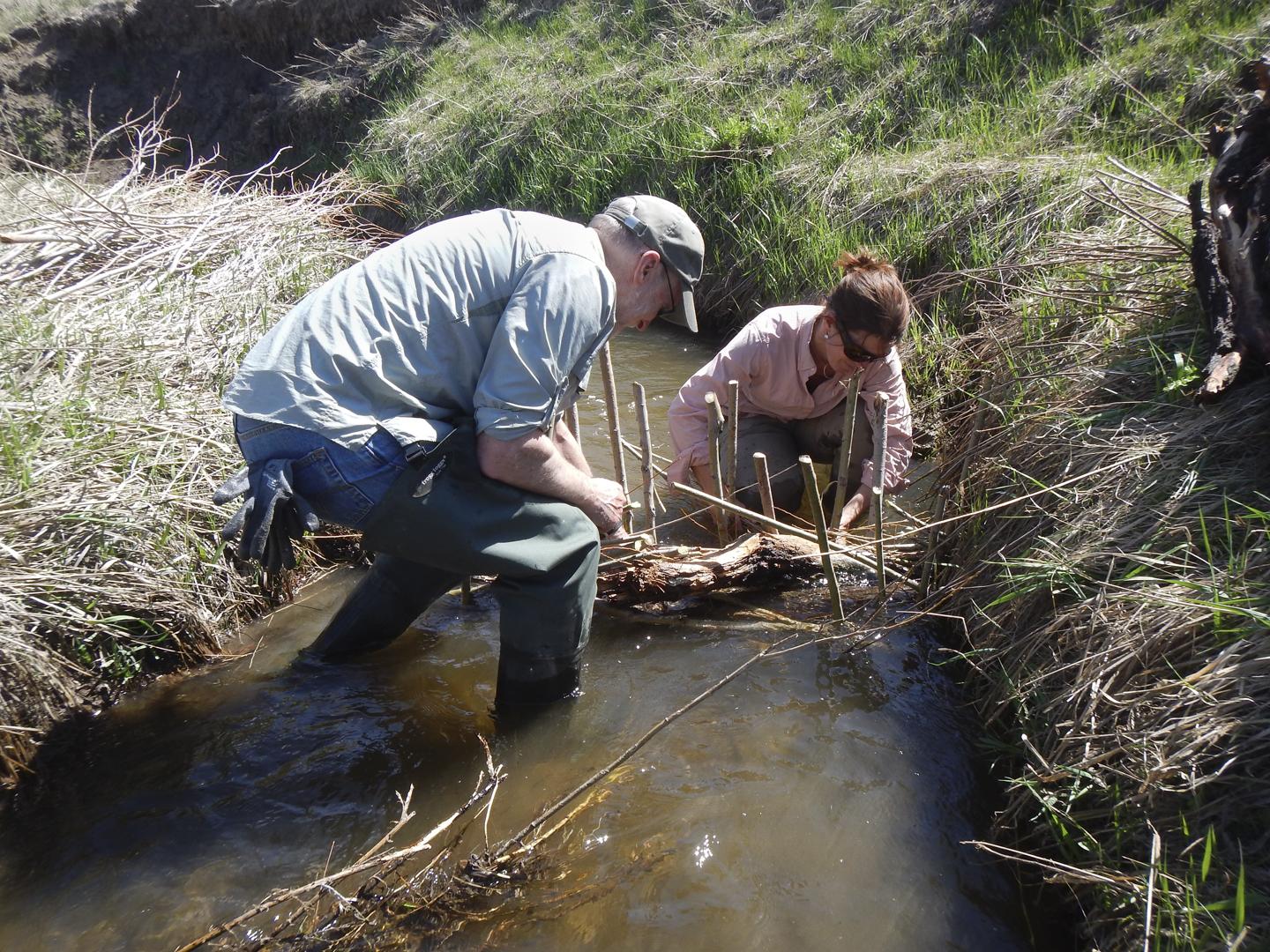
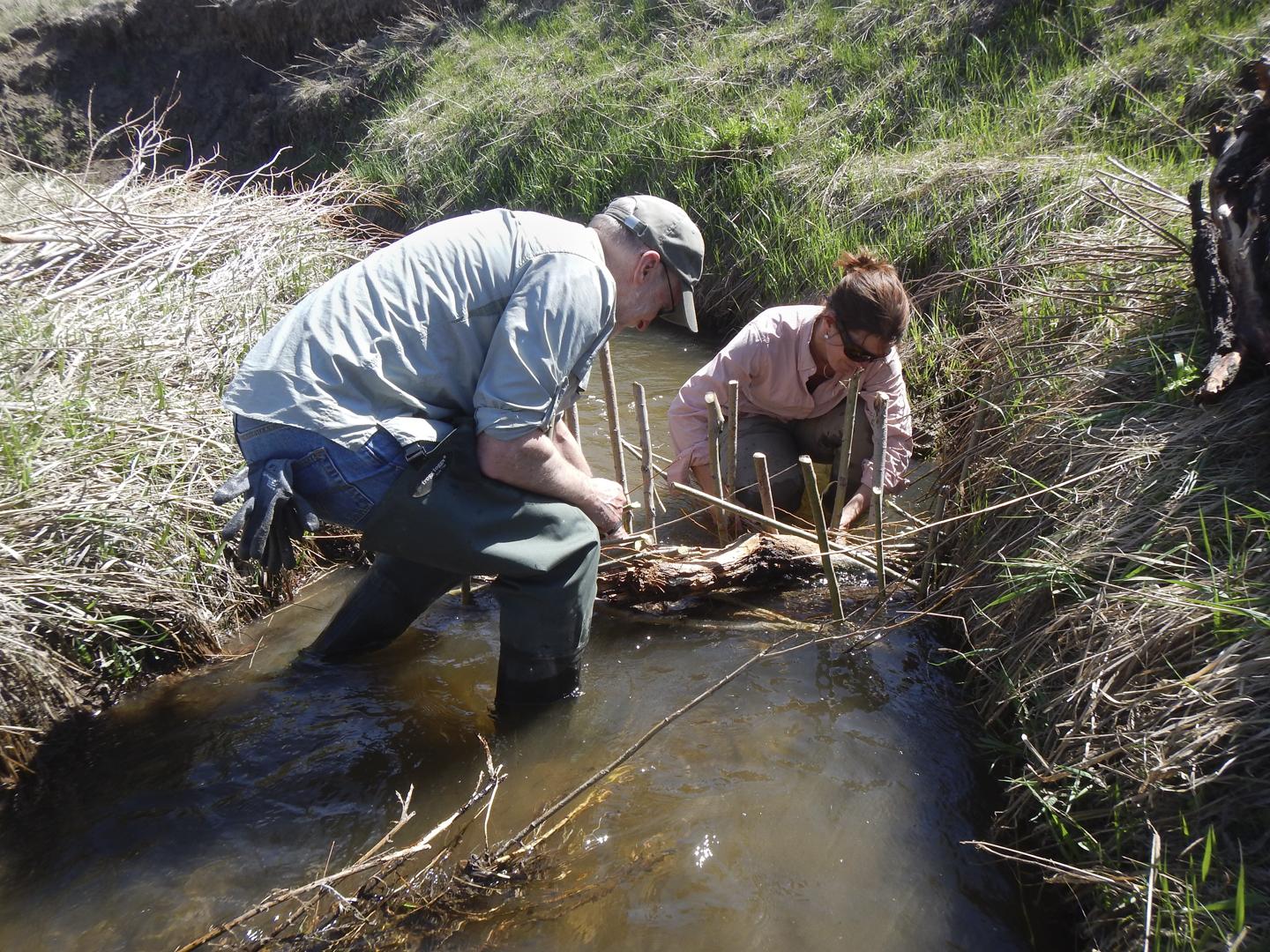
- In Utah and Washington, beavers are being returned to landscapes they once inhabited. They are once again building dams that slow run-off, increase riparian habitat and store water above and below ground, helping to offset climate change related declines.
- In South Carolina, oyster reefs are being built near coastal marshes to reduce the energy of boat wakes and tidal flows that contribute to marsh erosion. The reefs promote sediment accumulation, raising the level of marshes and protecting them from rising sea levels.
- In southwest Montana, low elevation streams are expected to warm beyond optimal conditions for native trout. The trout and other cold-water adapted species will be aided by access to high elevation streams (currently too cold but likely to warm) through removal of fish passage barriers and securing of in-stream flow rights.
WCS Climate Adaptation Fund Program Director Darren Long said, "We are thrilled to share our '14 Solutions' report, and for others to learn from the adaptation work of those whose projects are showcased here. These solutions are on the leading edge of a field where traditional conservation work is no longer sustainable or strategic in light of climate change."
###
These projects have been made possible with funding from the Doris Duke Charitable Foundation granted through the WCS Climate Adaptation Fund. Between 2011 and 2016, the Fund invested more than $12 million in 66 adaptation projects across the U.S.
The Fund supports 501(c)(3) nonprofit conservation organizations in implementing cutting edge climate adaptation strategies informed by strong climate science. These strategies are designed to help wildlife and ecosystems adapt to rapidly-shifting environmental conditions.
The priority placed by the WCS Climate Adaptation Fund on science-informed, on-the-ground innovations to help nature adapt to climate change is catalyzing the conservation field to incorporate climate considerations as a standard practice. Through the Fund, WCS supports organizations who are the leaders in the adaptation field and partners with them to invest in the future of conservation.
WCS Climate Adaptation Coordinator Molly Cross said, "We know that the environment is changing due to climate change and those changes will impact people, wildlife and landscapes in myriad ways. It is extremely rewarding to see the tangible results of people working together to prepare for and mitigate the potential negative impacts."
Note to Editors — In recognition of the success of the Climate Adaptation Fund, WCS received the 2017 Climate Adaptation Leadership Award for Natural Resources on May 8th. This prestigious award, presented by the Joint Implementation Working Group of the National Fish, Wildlife, and Plants Climate Adaptation Strategy (NFWPCAS), recognizes exemplary leadership by federal, state, tribal, local, and non-governmental entities in reducing climate-related threats and promoting resilience of U.S. natural resources and communities that depend on them.
Darren Long said, "We are extremely grateful to NFWPCAS for this recognition. We share this honor with our grantees and partners, and of course thank the Doris Duke Charitable Foundation for their commitment and generosity to this program."
For more information on projects supported by the WCS Climate Adaptation Fund, videos, and detailed descriptions visit our web site: http://wcsclimateadaptationfund.org
Media Contact
Scott Smith
[email protected]
718-220-3698
@TheWCS
http://www.wcs.org