• HOME
  • NEWS
  • EXPLORE
    • CAREER
      • Companies
      • Jobs
    • EVENTS
    • iGEM
      • News
      • Team
    • PHOTOS
    • VIDEO
    • WIKI
  • BLOG
  • COMMUNITY
    • FACEBOOK
    • INSTAGRAM
    • TWITTER
Monday, September 7, 2026
BIOENGINEER.ORG
No Result
View All Result
  • Login
  • HOME
  • NEWS
  • EXPLORE
    • CAREER
      • Companies
      • Jobs
        • Lecturer
        • PhD Studentship
        • Postdoc
        • Research Assistant
    • EVENTS
    • iGEM
      • News
      • Team
    • PHOTOS
    • VIDEO
    • WIKI
  • BLOG
  • COMMUNITY
    • FACEBOOK
    • INSTAGRAM
    • TWITTER
  • HOME
  • NEWS
  • EXPLORE
    • CAREER
      • Companies
      • Jobs
        • Lecturer
        • PhD Studentship
        • Postdoc
        • Research Assistant
    • EVENTS
    • iGEM
      • News
      • Team
    • PHOTOS
    • VIDEO
    • WIKI
  • BLOG
  • COMMUNITY
    • FACEBOOK
    • INSTAGRAM
    • TWITTER
No Result
View All Result
Bioengineer.org
No Result
View All Result
Home NEWS Science News Biology

The hunger gaps: How flowering times affect farmland bees

Bioengineer by Bioengineer
May 1, 2019
in Biology
Reading Time: 2 mins read
0
IMAGE
Share on FacebookShare on TwitterShare on LinkedinShare on RedditShare on Telegram

Seasonal gaps in the supply of nectar from wildflowers could be leaving bees hungry at times when food is needed most
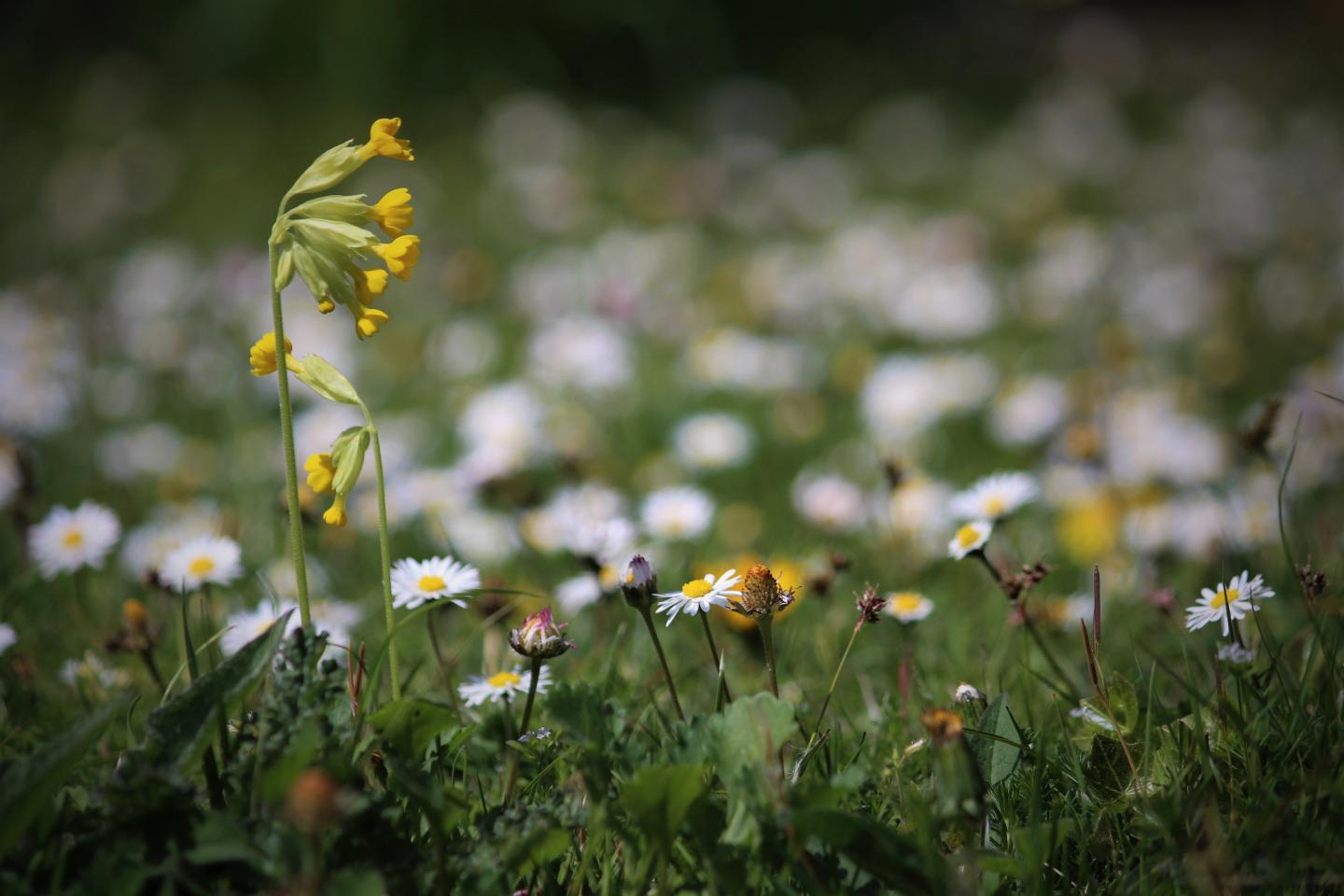
IMAGE

Credit: Tom Timberlake

For the very first time, researchers from the University of Bristol have measured farmland nectar supplies throughout the whole year and revealed hungry gaps when food supply is not meeting pollinator demand. This novel finding reveals new ways of making farmland better for pollinators, benefitting the many crop plants and wildflowers that depend on them.

Planting wildflower strips is a common strategy for providing pollinators with more food on farmland. These can provide plenty of pollen and nectar for bees to feed on, but most of this food supply is limited to the late spring and early summer when there is already plenty to eat. A new study published in the Journal of Applied Ecology found that early spring (March) and late summer (August-September) are periods of great nectar deficit on UK farmland.

Jane Memmott, Professor of Ecology from Bristol’s School of Biological Sciences and principal investigator, explained: “It’s not just how much nectar there is that matters, but what time of year that nectar is available.

“If a bumblebee queen comes out of hibernation in March and finds nothing to eat, it doesn’t matter how much nectar there is in summer, because she won’t be alive.”

Pollinators such as bees, flies and wasps require a constant supply of nectar throughout the year to stay alive, fly around and pollinate important crops and wild plants.

Tom Timberlake, PhD researcher at the University of Bristol and lead author, added: “By identifying these hungry gaps and finding plants to fill them, we could create a more consistent supply of pollen and nectar, allowing more pollinators to survive through the year.

“Early-flowering plants like willows and dandelions, or late-flowering red clover and ivy could all help to fill the hungry gaps, if we allow them to survive and flower on farmland.”

Pollinators such as bees are critical for the reproduction of most crop plants, including many of our favourites such as strawberries and coffee. Their services are worth up to $500 billion US each year but are under increasing threat as pollinators face worldwide declines. Providing more pollen and nectar rich flowers on farmland is certainly part of the solution. But this new research shows that if we want to be most effective, we must consider the timing of both food supply and pollinator demand.

###

Paper:

‘Phenology of farmland floral resources reveals seasonal gaps in nectar availability for bumblebees’ by T.P. Timberlake, I. P. Vaughan and J. Memmott in Journal of Applied Ecology [open access]

Media Contact
Joanne Fryer
[email protected]

Tags: BiologyEcology/EnvironmentFood/Food SciencePlant Sciences
Share12Tweet8Share2ShareShareShare2

Related Posts

Sea lamprey embryo studies reveal roles of histone methyltransferases in DNA elimination

Sea lamprey embryo studies reveal roles of histone methyltransferases in DNA elimination

September 7, 2026
Why Some Ants Slack While Others Work

Why Some Ants Slack While Others Work

September 7, 2026

Degranulated eosinophilia offers unexpected diagnostic clue for ectopic paragonimiasis

September 6, 2026

Garlic compound blocks key signal, triggering gastric cancer cell death

September 6, 2026
Please login to join discussion

POPULAR NEWS

  • Sea lamprey embryo studies reveal roles of histone methyltransferases in DNA elimination

    29 shares
    Share 12 Tweet 7
  • Mapping the Dynamic Plant Interactome: New Quantitative In Vivo Approaches Emerge

    29 shares
    Share 12 Tweet 7
  • New multi-omics study reveals wheat QTL TaFhb-6A conferring scab resistance

    29 shares
    Share 12 Tweet 7
  • Human-caused climate change drives heat illness across 460 Victorian communities

    29 shares
    Share 12 Tweet 7

About

We bring you the latest biotechnology news from best research centers and universities around the world. Check our website.

Follow us

Recent News

Sea lamprey embryo studies reveal roles of histone methyltransferases in DNA elimination

Mapping the Dynamic Plant Interactome: New Quantitative In Vivo Approaches Emerge

New multi-omics study reveals wheat QTL TaFhb-6A conferring scab resistance

Subscribe to Blog via Email

Enter your email address to subscribe to this blog and receive notifications of new posts by email.

Join 85 other subscribers
  • Contact Us

Bioengineer.org © Copyright 2023 All Rights Reserved.

Welcome Back!

Login to your account below

Forgotten Password?

Retrieve your password

Please enter your username or email address to reset your password.

Log In
No Result
View All Result
  • Homepages
    • Home Page 1
    • Home Page 2
  • News
  • National
  • Business
  • Health
  • Lifestyle
  • Science

Bioengineer.org © Copyright 2023 All Rights Reserved.