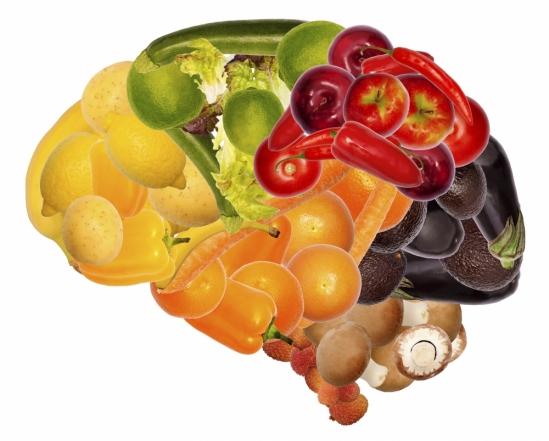
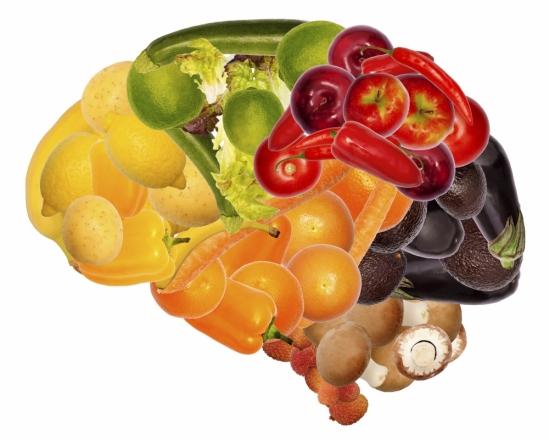
IMAGE: This is a brain illustration.
Credit: UCSB
Diet, exercise, a good night's sleep — all sound recommendations for mitigating one's risk for everything from heart disease to diabetes and, as it turns out, Alzheimer's.
The neurodegenerative condition affects an estimated 5.3 million people in the United States alone — and that number that is sure to grow as the population continues to age. But several simple strategies may help some stave off the disease, according to a new book by UC Santa Barbara neuroscientist Kenneth S. Kosik.
Spelling out what you can do to reduce your risk of getting Alzheimer's, "Outsmarting Alzheimer's" offers dozens of effective health "prescriptions" that are easy to implement.
"If you live to be 85, your Alzheimer's risk approaches 50 percent, which is a rather grim reward for getting to old age," said Kosik, the Harriman Professor of Neuroscience Research in UCSB's Department of Molecular, Cellular, and Developmental Biology. "Fortunately, there are things we can do that decrease the risk of Alzheimer's."
First and foremost on the list is exercise. While data support the benefit of regular physical activity, Kosik, who is also co-director of UCSB's Neuroscience Research Institute, cautions that one size doesn't fit all when it comes to types of exercise.
"If you have a bad knee, you might not want to go jogging; you might prefer to have your exercise be swimming," he said. "Exercising for about 30 minutes a day, in which you get your heart rate up and maybe even break a sweat, is a good general guideline."
Diet is also important, and many diets are optimal for brain health. The MIND diet, the Mediterranean diet and Asian or vegan eating have all been shown to protect the brain, according to Kosik. The bottom line, he noted, is to stay away from high-caloric fatty foods, including fast food.
Three health indicators are also crucial in reducing Alzheimer's risk: blood pressure, cholesterol and blood glucose. The book emphasizes the importance of knowing your numbers and where they fall on the clinical scale.
"We know in each of these cases that having your numbers out of whack increases your risk for Alzheimer's," he said. "But in every one of these cases, there are things you can do to get your numbers back in shape."
Other lifestyle factors that affect Alzheimer's risk include keeping the brain active, which can mean different things to different people. If you've done the New York Times crossword puzzle for 30 years, completing it may no longer be a challenge. Instead, learn to play a musical instrument, speak a foreign language or engage in other brain-teasing exercises.
"You can find brain challenges in all kinds of ways," Kosik said. "Even throwing a dinner party can be a challenge because it requires strategic planning."
More keys to promoting a healthy brain: reducing stress, avoiding social isolation and getting a good night's sleep. All of the behaviors outlined in the book work synchronistically. And given that Alzheimer's risk increases with age, those behaviors become more and more important.
Currently, no treatment exists that can alter the progression of the disease. Neither are there guarantees of getting Alzheimer's or preventing it.
"I don't want to give people the false hope that they can completely dodge the disease, but they can help their chances to avoid it," Kosik said. "This book lays out the risks and gives people a strategy for mitigating them."
Kosik will sign copies of "Outsmarting Alzheimer's" at 7 p.m. Wednesday, Feb. 10 at Chaucer's Bookstore, 3321 State St. in Santa Barbara.
###
Media Contact
Julie Cohen
[email protected]
805-893-7220
@ucsantabarbara
http://www.ucsb.edu