• HOME
  • NEWS
  • EXPLORE
    • CAREER
      • Companies
      • Jobs
    • EVENTS
    • iGEM
      • News
      • Team
    • PHOTOS
    • VIDEO
    • WIKI
  • BLOG
  • COMMUNITY
    • FACEBOOK
    • INSTAGRAM
    • TWITTER
Wednesday, August 19, 2026
BIOENGINEER.ORG
No Result
View All Result
  • Login
  • HOME
  • NEWS
  • EXPLORE
    • CAREER
      • Companies
      • Jobs
        • Lecturer
        • PhD Studentship
        • Postdoc
        • Research Assistant
    • EVENTS
    • iGEM
      • News
      • Team
    • PHOTOS
    • VIDEO
    • WIKI
  • BLOG
  • COMMUNITY
    • FACEBOOK
    • INSTAGRAM
    • TWITTER
  • HOME
  • NEWS
  • EXPLORE
    • CAREER
      • Companies
      • Jobs
        • Lecturer
        • PhD Studentship
        • Postdoc
        • Research Assistant
    • EVENTS
    • iGEM
      • News
      • Team
    • PHOTOS
    • VIDEO
    • WIKI
  • BLOG
  • COMMUNITY
    • FACEBOOK
    • INSTAGRAM
    • TWITTER
No Result
View All Result
Bioengineer.org
No Result
View All Result
Home Headlines

Temporary ambulance locations reduces response times and may save…

Bioengineer.org by Bioengineer.org
January 20, 2018
in Headlines, Health, Science News
Reading Time: 2 mins read
0
Share on FacebookShare on TwitterShare on LinkedinShare on RedditShare on Telegram
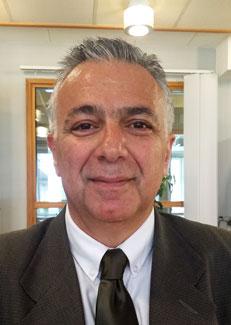
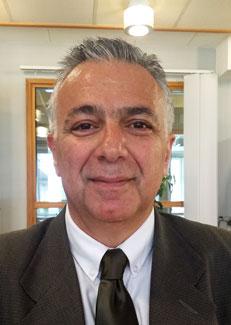
IMAGE

Ambulances deployed at temporary locations that can be changed depending on the time of day and accident statistics can reduce response time and may save lives on the way to the hospital. Researchers at Sahlgrenska University studied fluid deployment of ambulances in Shiraz, Iran.

While there is no doubt that rapid commencement of care saves lives, Emergency Medical Services are struggling to meet the predesignated response time, world-wide.

Compared ambulance services

Researchers at the Prehospital and Disaster Medicine Center in Gothenburg and the Shiraz University of Medical Sciences examined ambulance services in the Iranian city of Shiraz. Published in the International Journal of Emergency Medicine, the study compared ambulances deployed at temporary locations during peak traffic hours with those at permanent stations.

"Fluid deployment reduced response time by an average of two minutes," says Amir Khorram-Manesh, MD, PhD, at Sahlgrenska University. "Patients transported in ambulances dispatched from temporary locations were also less likely to die."

80,000 ambulance dispatches

The research team looked at almost 80,000 ambulance dispatches in 2012-2013. The findings were confirmed by a follow-up prospective study in 2015.

Given that the 1.7 million Shiraz population is roughly equivalent to that of Greater Gothenburg, the results are readily applicable to Sweden.

"The selection of temporary locations should be based on a risk analysis and statistics of previous dispatches," Dr. Khorram-Manesh says.

Topic of discussion

Fluid deployment has been a previous topic of discussion in Gothenburg. A project conducted at Chalmers University of Technology in 2013 identified the importance of deploying ambulances in a more conscious manner and contributed calculations to the choice of the new station at Gullbergsvass in Gothenburg.

According to Per Örninge, Senior Consultant at Prehospital and Disaster Medicine Center, the Ambu-Alarm unit at the Prehospital and Disaster Medicine Center in Gothenburg has been working for a while on analyzing movement and deployment patterns.

Facts:

The average Swedish county has approximately 20 ambulances. Stockholm has approximately 50, while Västra Götaland has the most – approximately 80 (Source: SOS Alarm).

8 of the 24 ambulances in Shiraz were deployed at temporary locations during the study. Choice of the locations was based on statistical data showing areas with peak incidents, as well as the distance to the closest hospital. The other 16 ambulances were deployed at permanent stations throughout the city. A follow-up prospective study in 2015 confirmed the findings.

###

Share12Tweet8Share2ShareShareShare2

Related Posts

Ambient Noise Linked to Physiological Changes in Single-Ventricle Newborns After Norwood Surgery

August 19, 2026
Thermal justice could make urban heat adaptation fairer as cities grow hotter

Thermal justice could make urban heat adaptation fairer as cities grow hotter

August 19, 2026

IOF Names New Editor-in-Chief for Osteoporosis International’s European Office

August 19, 2026

Aging Alters Skin Gene Activity, Fueling Inflammation

August 19, 2026
Please login to join discussion

POPULAR NEWS

  • Ambient Noise Linked to Physiological Changes in Single-Ventricle Newborns After Norwood Surgery

    29 shares
    Share 12 Tweet 7
  • Thermal justice could make urban heat adaptation fairer as cities grow hotter

    29 shares
    Share 12 Tweet 7
  • IOF Names New Editor-in-Chief for Osteoporosis International’s European Office

    29 shares
    Share 12 Tweet 7
  • Aging Alters Skin Gene Activity, Fueling Inflammation

    29 shares
    Share 12 Tweet 7

About

We bring you the latest biotechnology news from best research centers and universities around the world. Check our website.

Follow us

Recent News

Ambient Noise Linked to Physiological Changes in Single-Ventricle Newborns After Norwood Surgery

Thermal justice could make urban heat adaptation fairer as cities grow hotter

IOF Names New Editor-in-Chief for Osteoporosis International’s European Office

Subscribe to Blog via Email

Enter your email address to subscribe to this blog and receive notifications of new posts by email.

Join 85 other subscribers
  • Contact Us

Bioengineer.org © Copyright 2023 All Rights Reserved.

Welcome Back!

Login to your account below

Forgotten Password?

Retrieve your password

Please enter your username or email address to reset your password.

Log In
No Result
View All Result
  • Homepages
    • Home Page 1
    • Home Page 2
  • News
  • National
  • Business
  • Health
  • Lifestyle
  • Science

Bioengineer.org © Copyright 2023 All Rights Reserved.