• HOME
  • NEWS
  • EXPLORE
    • CAREER
      • Companies
      • Jobs
    • EVENTS
    • iGEM
      • News
      • Team
    • PHOTOS
    • VIDEO
    • WIKI
  • BLOG
  • COMMUNITY
    • FACEBOOK
    • INSTAGRAM
    • TWITTER
Sunday, May 10, 2026
BIOENGINEER.ORG
No Result
View All Result
  • Login
  • HOME
  • NEWS
  • EXPLORE
    • CAREER
      • Companies
      • Jobs
        • Lecturer
        • PhD Studentship
        • Postdoc
        • Research Assistant
    • EVENTS
    • iGEM
      • News
      • Team
    • PHOTOS
    • VIDEO
    • WIKI
  • BLOG
  • COMMUNITY
    • FACEBOOK
    • INSTAGRAM
    • TWITTER
  • HOME
  • NEWS
  • EXPLORE
    • CAREER
      • Companies
      • Jobs
        • Lecturer
        • PhD Studentship
        • Postdoc
        • Research Assistant
    • EVENTS
    • iGEM
      • News
      • Team
    • PHOTOS
    • VIDEO
    • WIKI
  • BLOG
  • COMMUNITY
    • FACEBOOK
    • INSTAGRAM
    • TWITTER
No Result
View All Result
Bioengineer.org
No Result
View All Result
Home NEWS Science News Health

Taming chronic inflammation may reduce illness, save lives

Bioengineer by Bioengineer
December 5, 2019
in Health
Reading Time: 2 mins read
0
IMAGE
Share on FacebookShare on TwitterShare on LinkedinShare on RedditShare on Telegram

Scientists call for early diagnosis, prevention and treatment to reduce risk of chronic diseases

IMAGE

Credit: UCLA Health


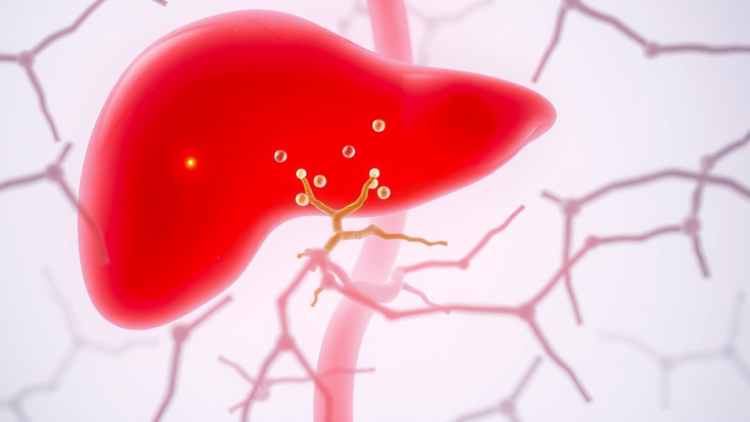
Scientists from 22 institutions, including UCLA, are recommending early diagnosis, prevention and treatment of severe chronic inflammation to reduce the risk of chronic disease and death worldwide.

The group of international experts, which also includes scientists from the National Institutes of Health, Stanford University, Harvard Medical School, Columbia University Medical Center and University College London, point to inflammation-related diseases as the cause of 50 percent of all deaths worldwide.

Inflammation is a naturally occurring response by the body’s immune system that helps fight illness and infection. When inflammation is chronic, however, it increases the risk of developing potentially deadly diseases.

In a perspective article, published in the journal Nature Medicine, the authors describe how persistent and severe inflammation in the body plays a key role in heart disease, cancer, diabetes, kidney disease, non-alcoholic fatty liver disease, and autoimmune and neurodegenerative disorders.

Future research should focus on identifying ways to better diagnose and treat severe chronic inflammation, according to the authors. Doing so may not only extend life, but also help reduce chronic disease worldwide and improve health, they said.

Senior author George Slavich, director of the UCLA Laboratory for Stress Assessment and Research, said it is important to make people aware of the risk factors for chronic inflammation, which include obesity, physical inactivity, social isolation, chronic stress and inadequate or poor sleep.

“Chronic inflammation is influenced by many social, environmental and lifestyle factors,” said Slavich, who is also a research scientist at the Norman Cousins Center for Psychoneuroimmunology at UCLA. “If we make people aware of these risk factors, our hope is that individuals will reduce the factors that apply to them.”

Slavich said research should focus on identifying new biomarkers or substances in the body that will enable doctors to screen for and better diagnose and treat severe chronic inflammation. Currently, just a few biomarkers are known to indicate inflammation, such as elevated levels of C-reactive protein, a protein found in blood plasma. Slavich said there are potentially hundreds of other substances in the body’s immune system that may indicate chronic inflammation, but they have yet to be identified.

“It’s also important to recognize that inflammation is a contributor not just to physical health problems, but also mental health problems such as anxiety disorders, depression, PTSD, schizophrenia, self-harm and suicide,” Slavich said. “This is a substantial public health crisis.”

###

Media Contact
Marrecca Fiore
[email protected]
310-267-7095

Related Journal Article

http://dx.doi.org/10.1038/s41591-019-0675-0

Tags: cancerDeath/DyingDepression/AngerDiabetesEndocrinologyGeneticsMedicine/HealthMortality/LongevityPublic HealthStress/Anxiety
Share13Tweet8Share2ShareShareShare2

Related Posts

Evaluating Digoxin Use in Patients with Symptomatic Rheumatic Heart Disease

May 10, 2026

Evaluating the Effectiveness and Safety of Digitalis Glycosides in Treating Heart Failure

May 10, 2026

Urdu Fall Risk Questionnaire Adapted for Elderly

May 10, 2026

Key Pharmacological Markers for HIV Prevention in MSM

May 10, 2026
Please login to join discussion

POPULAR NEWS

  • Research Indicates Potential Connection Between Prenatal Medication Exposure and Elevated Autism Risk

    840 shares
    Share 336 Tweet 210
  • New Study Reveals Plants Can Detect the Sound of Rain

    727 shares
    Share 290 Tweet 181
  • Scientists Investigate Possible Connection Between COVID-19 and Increased Lung Cancer Risk

    68 shares
    Share 27 Tweet 17
  • Salmonella Haem Blocks Macrophages, Boosts Infection

    61 shares
    Share 24 Tweet 15

About

We bring you the latest biotechnology news from best research centers and universities around the world. Check our website.

Follow us

Recent News

Evaluating Digoxin Use in Patients with Symptomatic Rheumatic Heart Disease

Evaluating the Effectiveness and Safety of Digitalis Glycosides in Treating Heart Failure

Urdu Fall Risk Questionnaire Adapted for Elderly

Subscribe to Blog via Email

Enter your email address to subscribe to this blog and receive notifications of new posts by email.

Join 82 other subscribers
  • Contact Us

Bioengineer.org © Copyright 2023 All Rights Reserved.

Welcome Back!

Login to your account below

Forgotten Password?

Retrieve your password

Please enter your username or email address to reset your password.

Log In
No Result
View All Result
  • Homepages
    • Home Page 1
    • Home Page 2
  • News
  • National
  • Business
  • Health
  • Lifestyle
  • Science

Bioengineer.org © Copyright 2023 All Rights Reserved.