Graphene-Doped Cobalt Carbon Beads Strip Antibiotic Pollutants from Water in Minutes
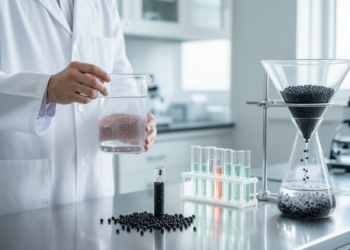
Researchers created magnetic carbon beads doped with graphene and cobalt that completely degrade the antibiotic sulfamethoxazole within 20 minutes while ...
Researchers created magnetic carbon beads doped with graphene and cobalt that completely degrade the antibiotic sulfamethoxazole within 20 minutes while ...
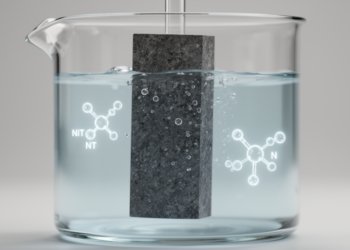
A laboratory study found that boron-doped diamond cathodes outperformed copper in nitrate electroreduction at higher current densities while keeping nitrite ...
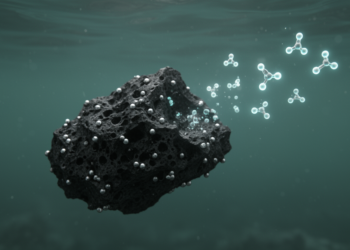
A bamboo biochar composite carrying iron nanoparticles removed 98 percent of the antibiotic ceftaroline from water in 60 minutes and ...
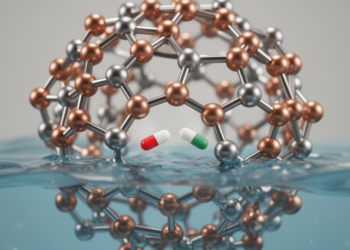
A bimetallic NiCu-BTC metal–organic framework removed fluoxetine and venlafaxine from aqueous solutions, achieving maximum binary adsorption capacities of 82.5 and ...
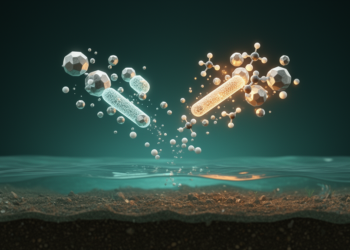
A systematic review of 196 studies finds that Industry 5.0-enabled nanocatalysts show strong single-matrix pollution removal, but integrated air-water-soil remediation ...
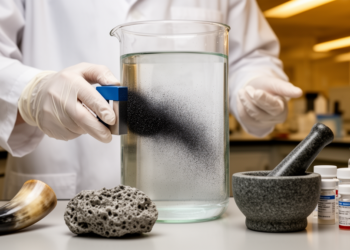
Researchers synthesized a magnetite-functionalized cow horn and pumice biocomposite that removed more than 99.8 percent of hexavalent chromium from aqueous ...
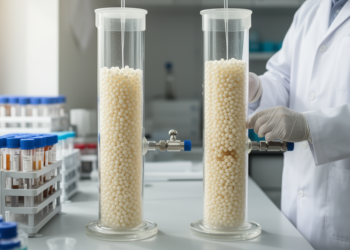
A comparative study of two isocyanurate-based hyper-cross-linked resins shows that the resin with the strongest caffeine binding in batch tests ...
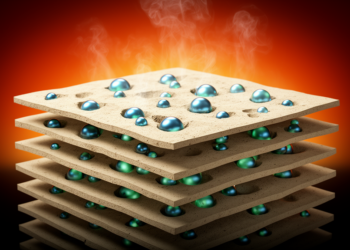
Thermal activation of bentonite at 300 degrees Celsius enhances its capacity to remove copper ions from water by modifying the ...
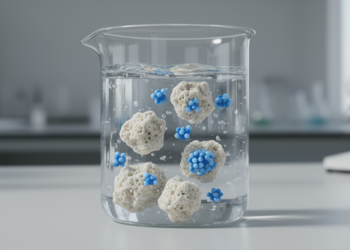
A laboratory study found that sodium acetate- and sodium 2-ethylhexyl sulfate-modified natural zeolite removed more than 90% of ammonia nitrogen ...
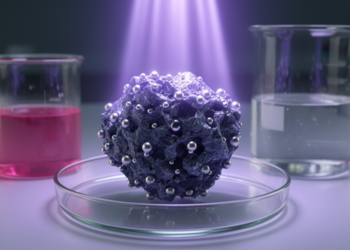
A systematic comparison of Cu-, Ni-, Co-, and Mg-substituted zinc orthotitanate spinels shows nickel doping delivers the highest UV-driven methylene ...

A 2026 perspective proposes a material–process–resource framework for showing why pollutant removal, captured resources and estimated energy recovery do not ...
A palladium-coated membrane removed more than 90% of each of six PFAS from water over 58 days while chemically removing ...
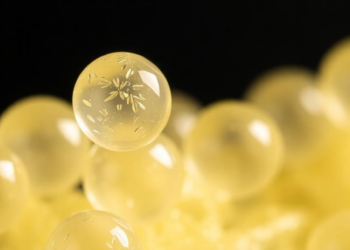
Researchers have developed recoverable chitosan-based hydrogel beads embedded with a zirconium metal-organic framework and reduced graphene oxide that remove nearly ...
Researchers report that a magnesium-substituted zinc aluminate spinel prepared by a simple urea-assisted gel route removes 76 percent of tetracycline ...

Discarded Amazonian Sacha Inchi shells transformed into carbonaceous materials that remove mercury from water with remarkable efficiency, offering a sustainable ...
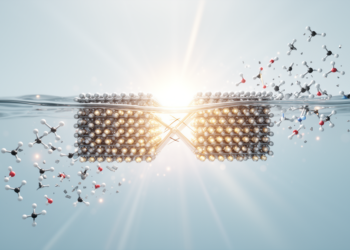
A zinc-doped step-scheme heterojunction of graphitic carbon nitride and strontium tantalate degrades tetracycline up to 38 times faster than pristine ...
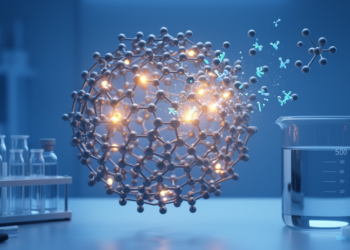
Per- and polyfluoroalkyl substances, better known as PFAS, have earned the nickname "forever chemicals" for good reason. Their carbon–fluorine bonds, ...
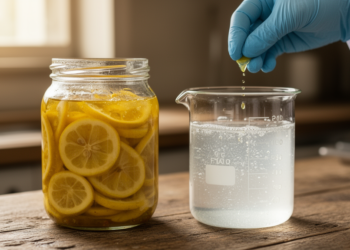
A halotolerant Staphylococcus gallinarum strain isolated from brine lemon pickle grew at 20% NaCl and removed 45% of water hardness ...
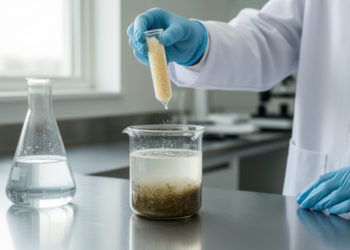
A lanthanum-modified metal-organic framework from the University of Pittsburgh captures PFAS, arsenic, and lead simultaneously, with Langmuir capacities up to ...
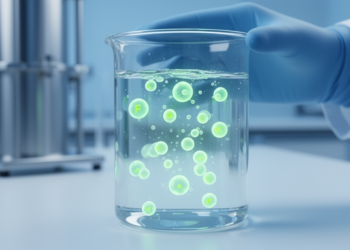
The significance of this study becomes clearer when viewed against the broader architecture of PFAS remediation, which increasingly relies on ...