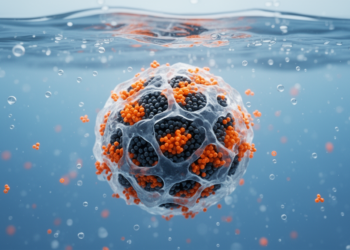
Magnetic Chitosan Nanocomposite Removes Over 99 Percent of Methyl Orange Dye
Researchers developed a magnetic chitosan Schiff base nanocomposite that achieved 99.68 percent removal of methyl orange dye from aqueous solutions.
Researchers developed a magnetic chitosan Schiff base nanocomposite that achieved 99.68 percent removal of methyl orange dye from aqueous solutions.
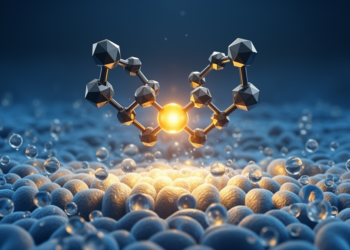
Researchers synthesized an ONS-donor benzohydrazide Schiff base and nine transition-metal complexes, revealing strong in vitro antibacterial potency for the mercury ...
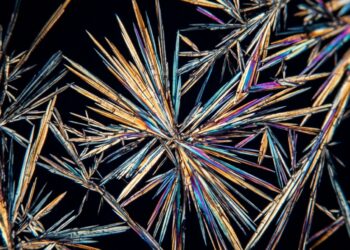
Researchers synthesized eleven benzimidazole-Schiff base hybrid molecules that demonstrated potent in vitro inhibition of alpha-glucosidase compared to the standard drug ...
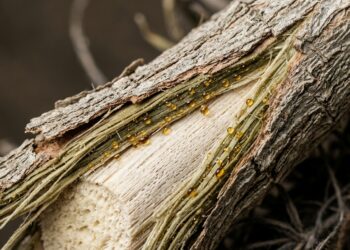
A synthetic strategy combines plant extraction with copper-catalyzed click cycloaddition to produce symmetrical bis-triazole conjugates from Thespesia populnea bark.
A newly designed Schiff base chemosensor enables the selective detection of zinc and copper ions through a distinct turn-on and ...
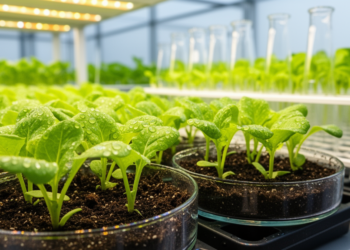
A newly synthesized manganese Schiff base complex demonstrated complete fungal inhibition and stimulated okra and soybean seedling growth in laboratory ...
A dual-mode optical sensor utilizing Schiff base capped gold nanoparticles enables sensitive colorimetric and fluorometric detection of silver ions in ...
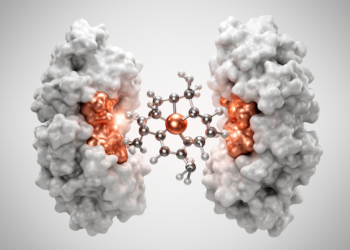
A new study in BMC Chemistry details the synthesis and characterization of two copper(II) Schiff base complexes, showing that one ...
Scientists have developed a reusable magnetic copper nanoclay catalyst that achieves rapid, high-yield one-pot synthesis of bioactive pyrans and benzazoles ...
Chemists have synthesized six divalent metal complexes of a naphthoquinone-based Schiff base ligand that show strong antimicrobial activity against Staphylococcus ...
A new review in Discover Chemistry surveys how Schiff base metal complexes of cobalt, copper, zinc, platinum and other metals ...
Researchers synthesized eleven transition metal complexes of salicylaldehyde-based Schiff base ligands and found that copper and cadmium derivatives inhibit Bacillus ...
Newly synthesized copper(II) and zinc(II) Schiff base complexes derived from L-tyrosine and indole-3-carboxaldehyde disrupt Pseudomonas aeruginosa biofilms with up to ...
A systematic review of 66 zinc(II) Schiff base complexes shows that octahedral geometry and red-shifted imine infrared signatures predict potent, ...