Two Dip-Coated Nanoparticle Layers Inhibit Mild Steel Saline Corrosion by 93 Percent
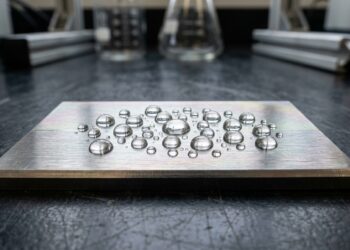
Applying two dip-coated layers of oleic acid-capped sodium ytterbium fluoride nanoparticles to mild steel reduced its corrosion current density to ...
Applying two dip-coated layers of oleic acid-capped sodium ytterbium fluoride nanoparticles to mild steel reduced its corrosion current density to ...
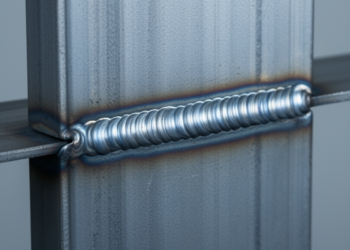
Adding tens of parts per million of boron to arc-welded mild steel joints substantially enhances tensile strength, hardness, and impact ...
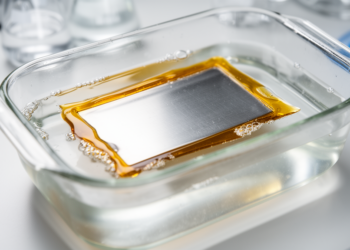
A study published in Discover Chemical Engineering shows that garlic peel extract coatings can reduce mild steel corrosion in saline ...
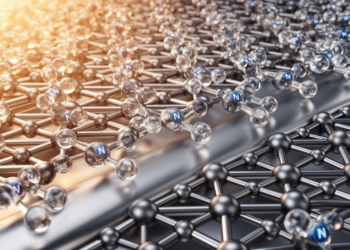
A new study uses DFT calculations and Monte Carlo simulations to predict that novel aldo-benzimidazole derivatives offer high corrosion inhibition ...
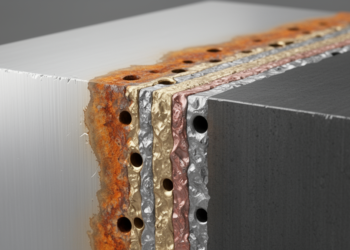
A comparative study finds that corrosion in aluminium-steel joints made by compound casting, magnetic pulse welding and diffusion bonding depends ...

A critical review finds that integrating machine learning, quantum chemistry, molecular dynamics and experiments could accelerate corrosion-inhibitor design, but weak ...
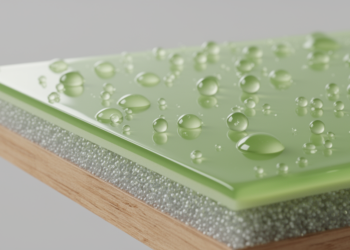
Researchers in Malaysia boosted the water repellency of eco-friendly waterborne polyurethane coatings to a contact angle of 105.08 degrees by ...
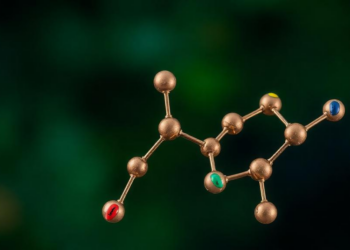
Chemists have synthesized six divalent metal complexes of a naphthoquinone-based Schiff base ligand that show strong antimicrobial activity against Staphylococcus ...
Chemists have synthesized a bis-benzimidazole diamide that protects mild steel in sulfuric acid with up to 99 percent inhibition efficiency, ...
Researchers have shown that carbon dioxide can be electrochemically converted into solid carbon in molten lithium-potassium carbonate salt and diffused ...