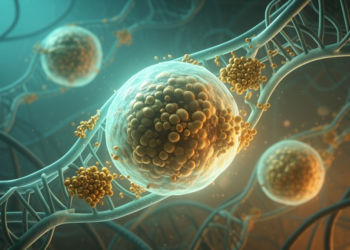
VPS13B Regulates TFEB to Maintain Lysosomal Homeostasis in Cohen Syndrome Models
Researchers have identified VPS13B as a critical regulator of lysosomal homeostasis and TFEB dynamics, offering mechanistic insight into Cohen syndrome.
Researchers have identified VPS13B as a critical regulator of lysosomal homeostasis and TFEB dynamics, offering mechanistic insight into Cohen syndrome.
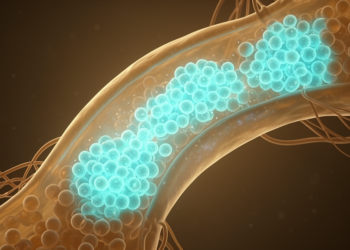
Sustained photoactivation of the OptoH3R fusion protein recruits β-arrestin to mimic histamine H3 receptor desensitization and endocytosis in vitro.

Researchers in Vietnam have isolated and completely sequenced a canine adenovirus type 2 field strain from dogs exhibiting respiratory illness.
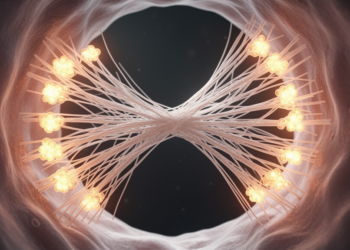
Researchers developed an optogenetic platform termed Light-Induced Spindle Assembly that clusters Aurora A kinase to build functional microtubule-organizing centers and ...
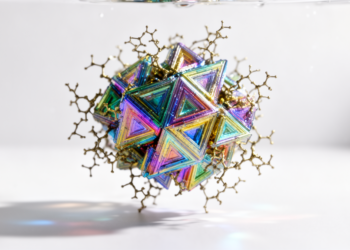
Researchers synthesized crystalline bismuth oxide nanoparticles using cumin seed extract as a natural stabilizer, demonstrating targeted in vitro growth inhibition ...
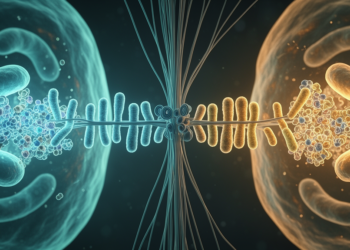
Researchers demonstrate that cancer cells dynamically assemble mitochondrial respiratory supercomplexes during mitosis to prevent oxidative damage and ensure accurate chromosome ...
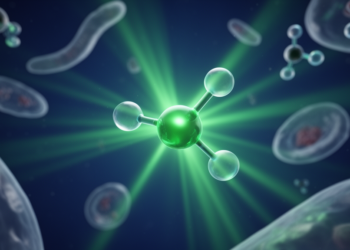
Researchers have synthesized a triphenylamine-benzo indole fluorescent probe that selectively detects peroxynitrite within fifty seconds through an unusual electrophilic addition ...
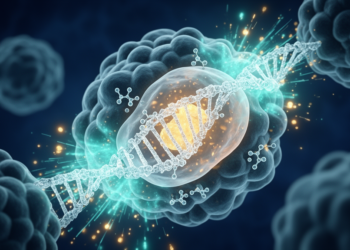
The novel PARP inhibitor No. 123 suppresses cervical cancer progression in preclinical models through a dual mechanism of direct cytotoxicity ...
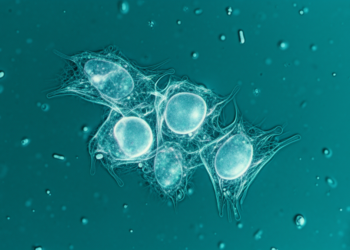
HeLa cells develop resistance to the thymidine analogue EdU by downregulating the SLC22A17 transporter and entering a state of transcriptomic ...
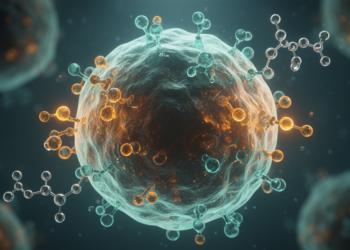
Laboratory tests showed that gossypetin and luteolin, alone and with cisplatin, reduced MCF-7 breast cancer cell viability while HeLa cells ...
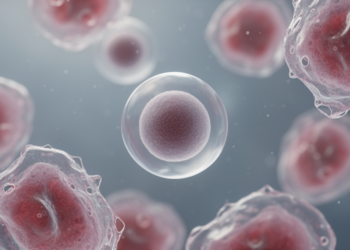
Researchers developed lipid-coated PLGA nanoparticles that co-deliver curcumin and copper sulfide for combined chemo-photothermal therapy of cervical cancer in vitro.
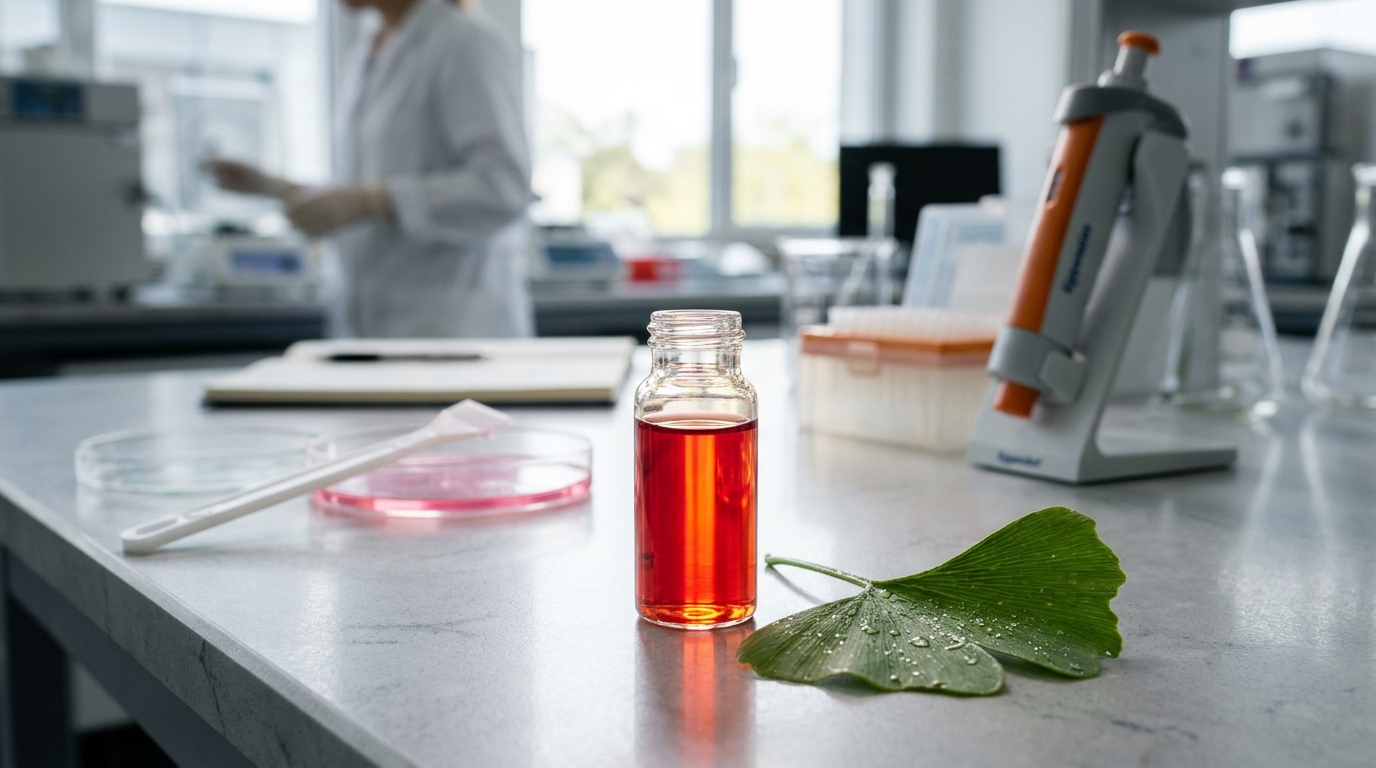
PEG-functionalized gold nanoparticles synthesised with Simarouba glauca leaf extract reduced HeLa cervical cancer cell viability to 49.96 percent at 30 ...
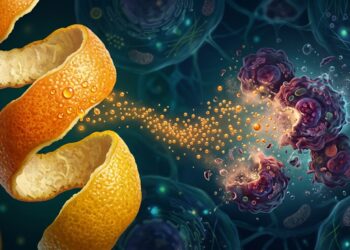
Nanoparticles synthesized from Citrus unshiu Markovich peel extract induced apoptosis in 54.4 percent of HeLa cervical cancer cells in vitro, ...
A Trametes versicolor laccase co-oxidized quercetin and caffeic acid into five derivatives with dramatically improved water solubility and UV stability, ...
Laboratory experiments show the plant-derived neolignan Miliusin B kills HeLa cervical cancer cells selectively, triggers apoptosis, impairs cell migration, and ...
Researchers used optogenetic melanopsin stimulation in HeLa cells to show that the timing pattern of light-evoked calcium signaling selectively shapes ...
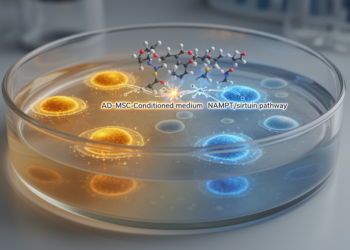
A cell-culture study found that AD-MSC-conditioned medium reduced HeLa-cell viability and was associated with increased apoptosis and altered SIRT2 and ...
Cryogenic X-ray fluorescence nanoanalysis reveals that three rhenium anticancer drug candidates with different targeting ligands distribute nearly identically inside cancer ...
A microfluidic nanoblade device that slices open the membranes of thousands of cells at once reveals that cells prioritize repairing ...