
Moving Affinity Tags Inside Proteins Fixes Purification Issues
Internalizing affinity tags within secreted Chlamydomonas proteins enables efficient purification via Ni-NTA chromatography, overcoming previous proteolytic truncation issues.
Internalizing affinity tags within secreted Chlamydomonas proteins enables efficient purification via Ni-NTA chromatography, overcoming previous proteolytic truncation issues.
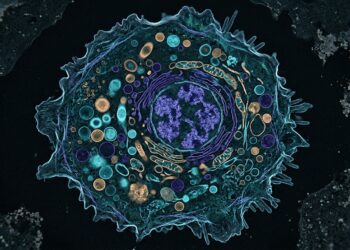
Two C3 variants remained detectable inside cells despite severe plasma depletion, showing extracellular and intracellular complement C3 represent functionally independent ...

A comparative genomic study finds that most secreted-protein expression in mouse salivary glands comes from lineage-specific genes, with sex-biased expression ...

A comprehensive analytical characterization shows the newly approved denosumab biosimilar SB16 is highly similar to Prolia and Xgeva across structure, ...
An observational proteogenomic study of 112 pediatric and young-adult high-grade glioma tumors found age- and sex-associated molecular differences and four ...
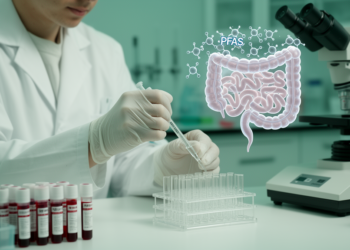
A five-year NIH-funded Mount Sinai study will examine associations between PFAS exposure, pre-diagnostic glycosylation changes and later inflammatory bowel disease ...
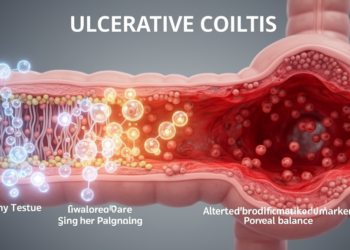
A review finds that protein modifications regulate immune inflammation and epithelial barrier dysfunction in ulcerative colitis through mechanisms that remain ...

A five-year NIH award will support Greenwood Genetic Center research using zebrafish models to examine how metabolism and glycosylation jointly ...
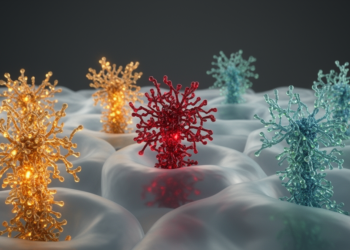
A new review reveals that sugar chains attached to death receptors act as molecular checkpoints that determine whether cells undergo ...

A new Frontiers in Cell Death Research Topic curated by women scientists collects five studies spanning necroptosis, death receptor glycans, ...

A case report in the Journal of Neurology documents systemic and central nervous system hypofucosylation in a child with GLUT1 ...

A new review maps how zinc, manganese, and iron are transported into the ER and Golgi apparatus, revealing transporter families ...
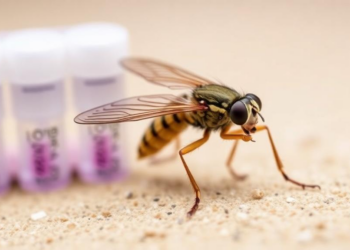
A new study shows that the cellular expression system used to produce the sand fly salivary protein SP32, particularly insect-derived ...
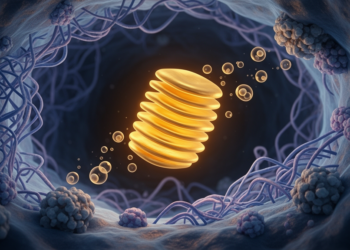
A new review argues that the long-overlooked Golgi apparatus, supported by human genetic, proteomic, and lipidomic evidence, may be a ...
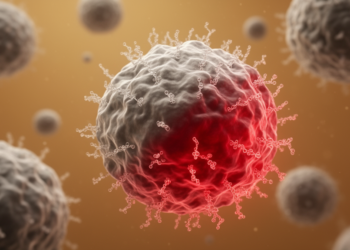
Researchers found that blocking the enzyme ST6GAL1 reverses a sugar-linkage switch on macrophages, restoring tumor-fighting behavior and slowing colorectal cancer ...
A new review in Food Chemistry: X details how physical, chemical, and enzymatic modifications can transform rice protein's rigid structure ...

CA 15-3 is an epitope of the MUC1 glycoprotein. MUC1 is a transmembrane mucosa-associated glycoprotein and contains a large extracellular ...