Modeling Pediatric Gliomas as Neurodevelopmental Disorders
A new study in Applied Network Science uses complexity-informed causal modeling to characterize pediatric high-grade gliomas as neurodevelopmental disorders with ...
A new study in Applied Network Science uses complexity-informed causal modeling to characterize pediatric high-grade gliomas as neurodevelopmental disorders with ...
A prospective study demonstrates that edited magnetic resonance spectroscopy can measure critical antioxidant metabolites noninvasively in patients with isocitrate dehydrogenase-wildtype ...
A case report and literature review describe the development of glioblastoma two years after deep brain stimulation for Parkinson's disease, ...
Researchers have identified that loss of hypoxia-inducible factor 1-alpha under normoxic conditions drives serine and glycine metabolism to promote radiotherapy ...
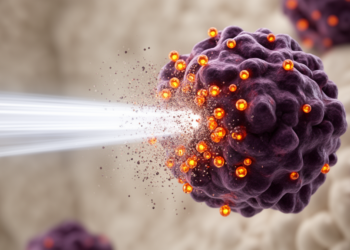
In a laboratory pilot study using an external beam microprobe facility, researchers found that pre-treating cultured human glioblastoma cells with ...
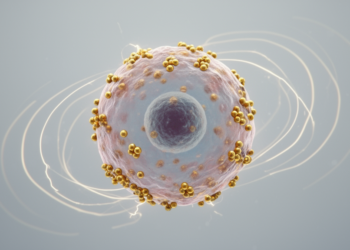
Researchers have demonstrated that direct-current electric fields can significantly enhance the uptake of functionalized gold nanoparticles in glioblastoma cells, while ...
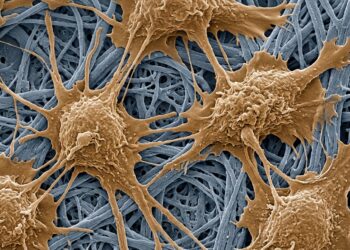
A study combining transcriptomic analyses with cell and xenograft models identifies ECM2-associated adhesion signaling as a mechanism promoting glioblastoma adaptation ...
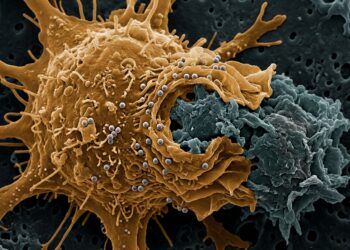
Engineered exosome-liposome hybrid nanoparticles targeting CSF1R and PD-L1 stimulate macrophage phagocytosis across several brain cancer cell models in vitro, though ...
Researchers at the Indian Institute of Technology Gandhinagar have developed two compounds that suppress drug-resistant glioblastoma cells by blocking the ...
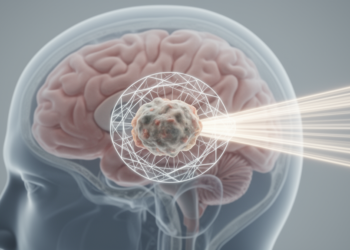
Radiation oncologists propose a structure-specific framework to evaluate intracranial dose constraints and document target-volume trade-offs in IDH-wildtype glioblastoma radiotherapy.
Researchers identified HNRNPAB as a driver of glioblastoma cell proliferation that directly stabilizes EZH2 mRNA to activate oncogenic PI3K-AKT-mTOR and ...
A longitudinal plasma proteomics study of 11 glioblastoma patients found that inflammatory cytokines rose after radiotherapy with temozolomide and declined ...
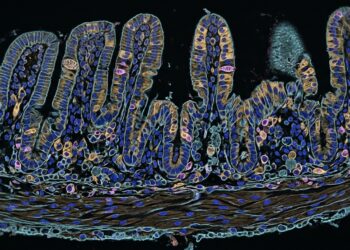
Researchers have developed DIRAC, a geometric deep learning model that aligns distinct molecular modalities and transfers cell annotations across diverse ...
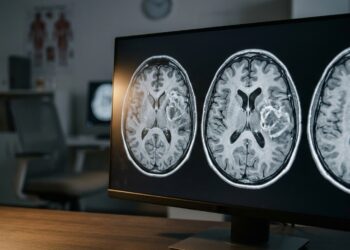
A multimodal machine learning nomogram combining clinical, radiomics, and pathomics features improved overall survival risk stratification in patients with IDH-wildtype ...
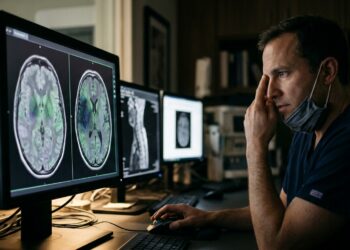
A prospective study demonstrates that hypoxia-evoked BOLD MRI can guide neuronavigation to sample infiltrative glioblastoma tissue beyond standard contrast-enhancing tumor ...
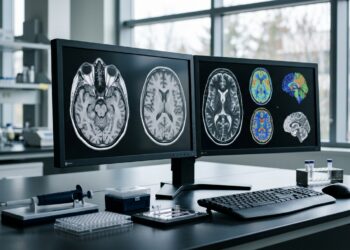
A machine-learning radiogenomic model predicts IL19 expression from glioblastoma MRI scans and separates patients into survival groups.
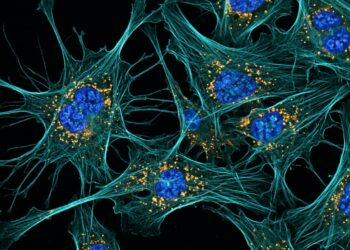
A new study shows that suppressing mTOR signaling in glioblastoma cells induces NFS1, a cysteine desulfurase that supports a stem-like ...
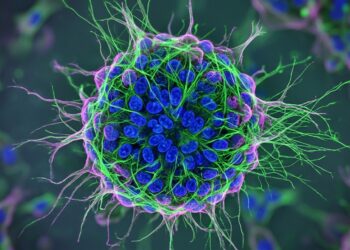
A new ex vivo platform derives temozolomide- and radiation-selected glioblastoma stem-like cells from the same primary tumor, exposing mismatch-repair loss, ...
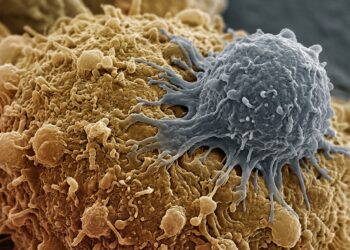
A new review maps how artificial intelligence could overcome resistance and safety barriers in cancer stem cell-targeted cellular immunotherapy, while ...
A single-cell and spatial atlas of 12 glioblastoma tumours shows that cancer cells progress through the same ordered sequence of ...