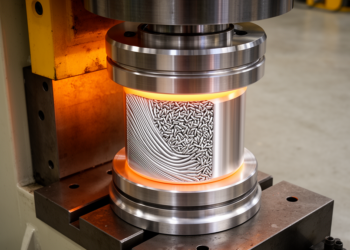
Controlled Forging Deformation Optimizes Aluminum Alloy Strength and Corrosion Resistance
Researchers found that applying 40 percent forging deformation to an Al–Zn–Mg–Cu alloy optimizes its mechanical strength, grain structure, and corrosion ...
Researchers found that applying 40 percent forging deformation to an Al–Zn–Mg–Cu alloy optimizes its mechanical strength, grain structure, and corrosion ...
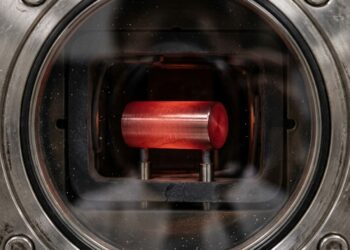
A laboratory study shows that the refractory high-entropy alloy V30Nb16Ta8Cr30Mo16 maintains phase stability up to 1300 °C in vacuum and ...
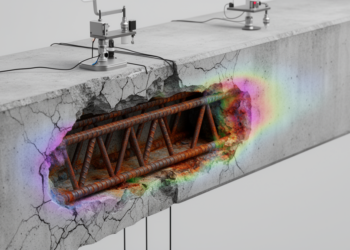
Civil engineers have demonstrated that output-only vibration analysis can effectively detect corrosion-induced stiffness changes in reinforced concrete beams using ambient ...
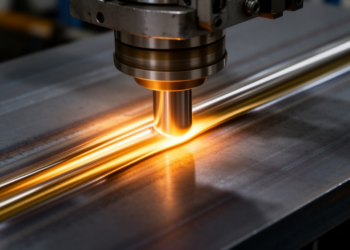
Additive friction stir deposition achieved approximately 60 percent grain refinement and reduced wear rates in 1018 carbon steel despite accelerating ...
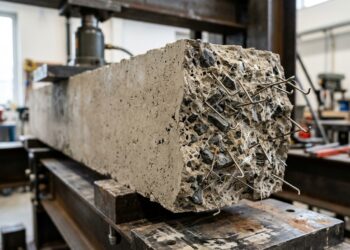
A structural study reveals that hybridizing steel fibers and carbon fiber reinforced polymer sheets in ternary geopolymer concrete beams effectively ...
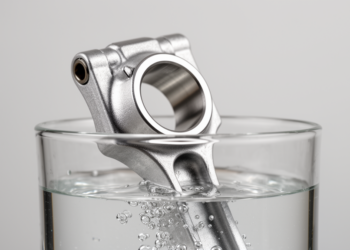
Near-net-shape sand casting of an AA6061 automotive rocker arm demonstrated acceptable static structural safety alongside superior laboratory corrosion resistance compared ...
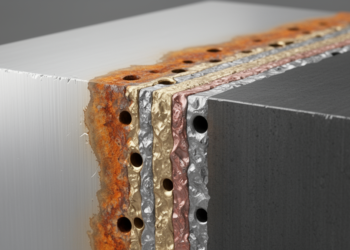
A comparative study finds that corrosion in aluminium-steel joints made by compound casting, magnetic pulse welding and diffusion bonding depends ...
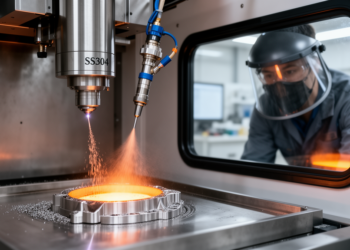
A hybrid LPBF-LDED study of SS304 stainless steel found a fine as-deposited LPBF microstructure with superior corrosion resistance, while lack-of-fusion ...
New research shows that the build direction of selectively laser melted 316L stainless steel governs its resistance to stress corrosion ...
A combined scanning, simulation, and testing study shows that randomly distributed corrosion pits, not just their maximum depth, govern the ...