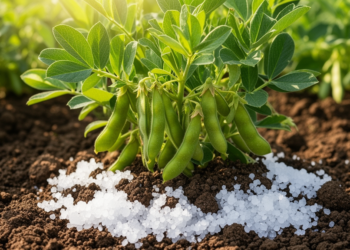
Wastewater-Derived Struvite Curbs Phosphate Leaching While Sustaining Chickpea Grain Yields
A controlled study reveals that wastewater-derived struvite curbs phosphate leaching and diffusion in sandy soil while sustaining or enhancing chickpea ...
A controlled study reveals that wastewater-derived struvite curbs phosphate leaching and diffusion in sandy soil while sustaining or enhancing chickpea ...
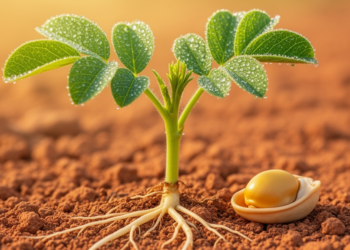
A two-generation study in chickpea reveals that moderate heat stress during pod formation primes offspring through coordinated DNA methylation, stable ...
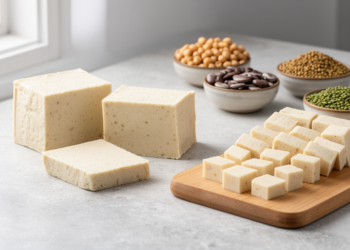
A systematic review of 19 experimental studies evaluated non-soy legumes as tofu alternatives, finding high protein and fiber contents alongside ...
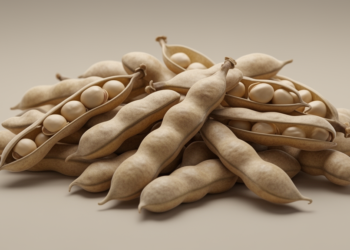
A multi-environment trial in northwest Ethiopia identified Minjar, Dalota, and Mastewal as desi-type chickpea varieties combining high grain yield with ...
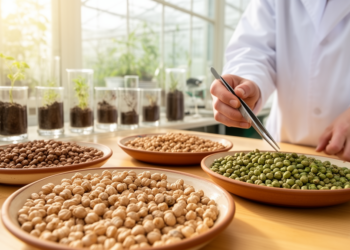
A study in Southern Ethiopia evaluated the proximate composition and mineral profiles of three chickpea varieties across three cultivation kebeles.
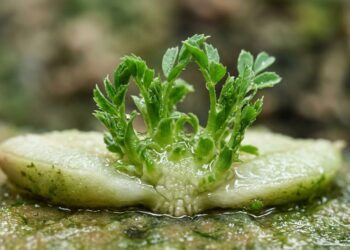
A transient thidiazuron flooding protocol stimulates high-frequency direct shoot regeneration across four recalcitrant grain legume species without producing visible intermediate ...
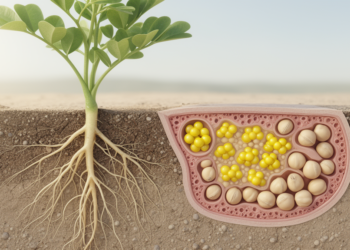
A comparative study linked stronger CaSULTR expression and sulfur-assimilation activity with better growth in sulfur-starved chickpea seedlings.
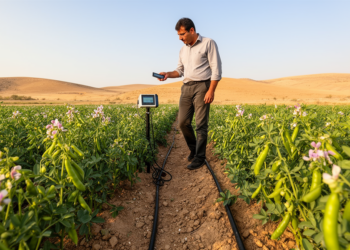
A two-year field experiment in southeastern Türkiye found that supplemental irrigation increased chickpea grain yield, particularly when flowering and grain ...

Indian researchers used gamma radiation to generate 257 chickpea mutants and identified elite lines that survive Himalayan winters with intact ...
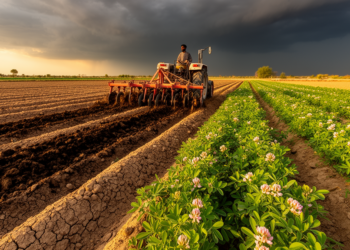
Deep chisel ploughing before ephemeral floods in semiarid Pakistan raised chickpea yields by over 28 percent and improved soil moisture ...
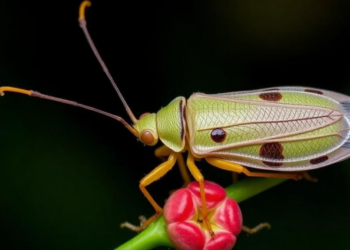
Researchers found that wild chickpea relatives accumulate fatty acids such as oleic acid that repel the pod borer Helicoverpa armigera ...