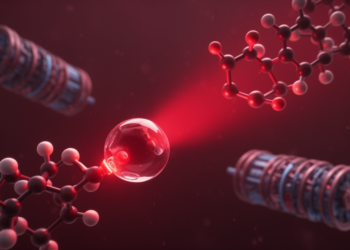
RuPHOTACs use red light to activate protein degradation
Researchers at North Carolina State University developed RuPHOTACs, a light-activated system that controls protein-degrading molecules to limit side effects.
Researchers at North Carolina State University developed RuPHOTACs, a light-activated system that controls protein-degrading molecules to limit side effects.
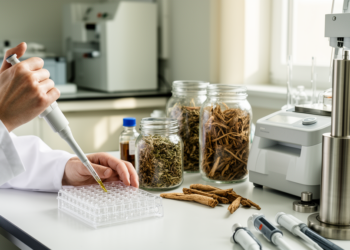
A structured audit of 78 databases highlights how perturbation profiling and multi-omics integration are shifting traditional Chinese medicine research from ...
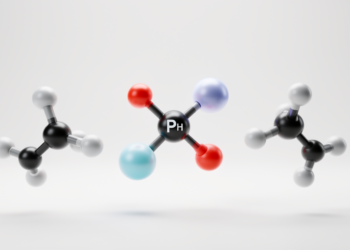
Researchers have developed an iminophosphorane reagent platform that replaces hazardous azodicarboxylates and simplifies product purification across diverse Mitsunobu-type alcohol substitution ...
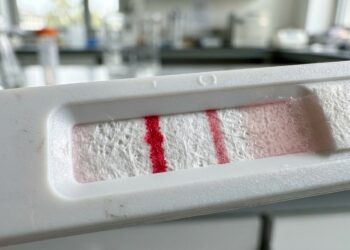
EPFL researchers have engineered a two-layer aptamer sensing architecture that enables visual detection of small molecules by recognizing target-bound DNA ...
A UT San Antonio chemist is developing a fluorescence probe that activates only after binding to CDK4/6 proteins inside triple-negative ...
Edward Chouchani was named a 2026 Blavatnik National Award finalist for research using mass spectrometry and chemical biology to investigate ...
A new review in Frontiers in Chemical Biology outlines how combining metagenomics and metabolomics can link microbial genomes to bioactive ...
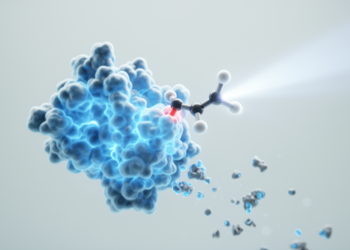
Chemists have developed ruthenium-based photocaged PROTACs, called RuPHOTACs, that can be switched on with low-energy red light to selectively degrade ...
A new study finds the experimental cancer drug zavondemstat and the research compound QC6352 act mainly by blocking the enzyme ...