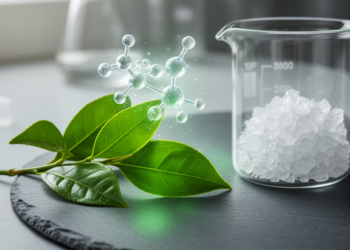
Review Details 4,000 Compounds in Camellia sinensis
A 2025 review in Clinical Phytoscience details the 4,000 bioactive compounds in Camellia sinensis and their pharmacological effects.
A 2025 review in Clinical Phytoscience details the 4,000 bioactive compounds in Camellia sinensis and their pharmacological effects.
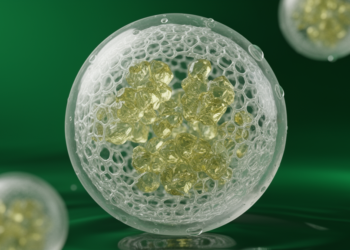
Encapsulating valorized tea extract with maltodextrin and gum Arabic retained over 90 percent of epigallocatechin-3-gallate during accelerated stability testing.

A study in eLife reveals that tea-adapted Kanzawa spider mites use a fungus-acquired gene called DOG15 to survive the toxic ...
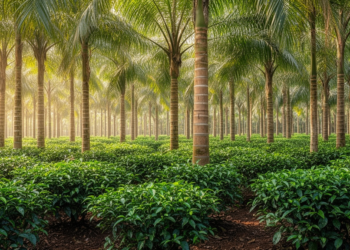
Intercropping Hainan Dayezhong tea plants with areca trees modifies plantation microenvironments and soil microbial communities to enhance white tea flavor.
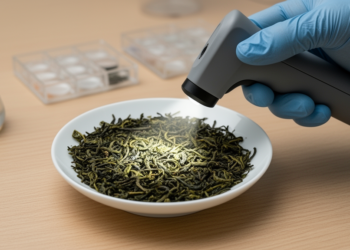
Combining Raman scattering and autofluorescence signals with machine learning allows portable spectrometers to reliably differentiate newly harvested green tea from ...
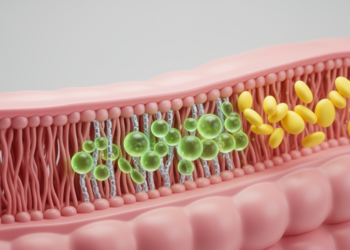
A pharmacokinetic investigation reveals that tea polyphenols significantly decrease systemic exposure and intestinal absorption of the cholesterol-lowering medication atorvastatin in ...
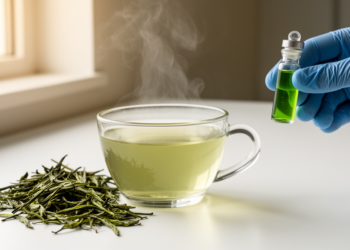
A Japanese double-blind randomized trial found that two years of decaffeinated green tea extract tablets were associated with a non-significant ...

A narrative review suggests green tea catechins and cocoa flavanols may support exercise-induced adaptations in brain aging through distinct mitochondrial ...
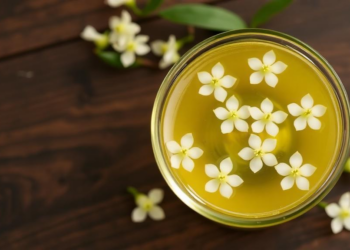
A stage-resolved multi-omics analysis of Jinhua jasmine tea from Zhejiang, China, shows that repeated scenting with fresh jasmine flowers progressively ...
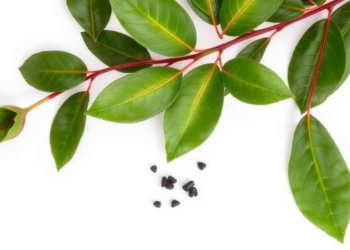
A comprehensive survey of the rare Chinese tea plant Camellia ptilophylla maps caffeine-free alkaloid chemistry, root-only theanine, and 89 aroma ...
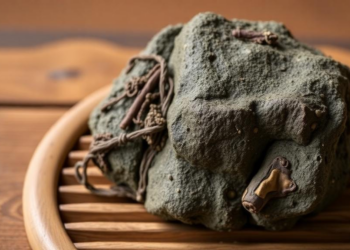
A decade-spanning metabolomics study of Wuyi rock tea Rougui reveals stage-wise polyphenol remodeling and a dramatic enrichment of gallic acid ...
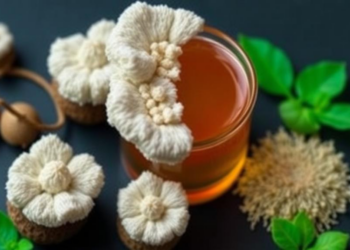
New metabolomics research shows that the fungi behind dark tea fermentation and rat gut microbiota transform the tea catechin EGCG ...
A new flavoromics and molecular docking study identifies the volatile and non-volatile compounds that distinguish the betelnut, stale, ginseng, and ...
A new metabolomics study shows that matching summer tea leaf tenderness with the right processing method can transform bitter, astringent ...
A new review reveals how carbohydrate allocation and source–sink dynamics govern tea plant growth, stress resilience and flavor quality under ...