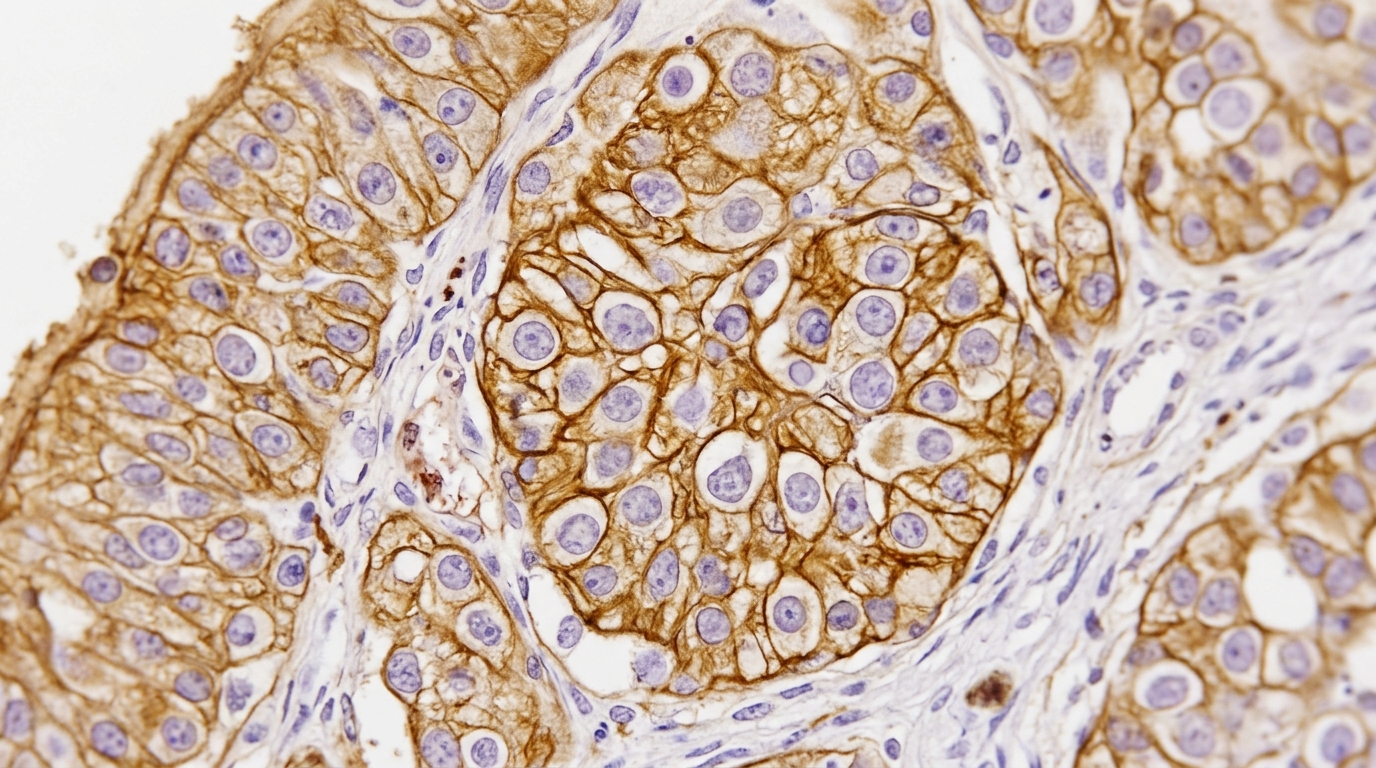
A systematic review published in Diagnostic Pathology has evaluated the role of Cytokeratin 19, abbreviated as CK19, across a wide range of human malignant cell lines. The study, led by Sina Shahshenas and colleagues, aimed to comprehensively assess CK19 expression to understand its potential diagnostic, prognostic, and therapeutic implications in epithelial malignancies. The research team conducted a systematic literature search in PubMed, Scopus, and Web of Science, covering publications up to September 2024. By using a combination of MeSH terms and keywords such as “Cytokeratin 19,” “Cell line,” and “Cell culture,” the authors identified studies specifically reporting CK19 expression in human malignant cell lines. Only English-language publications were included.
From an initial pool of 3,205 identified articles, the researchers ultimately included 264 studies that met the strict inclusion criteria after removing duplicates and irrelevant publications. These 264 studies provided data on CK19 expression across 476 distinct human malignant cell lines, representing 32 different cancer types.
The review found that CK19 expression is closely linked to cellular differentiation, tumor aggressiveness, and metastatic potential. In epithelial-derived tumors, particularly those of the breast, liver, and colorectal origin, specific cell lines consistently demonstrated high levels of CK19 positivity. For instance, breast cancer cell lines such as MCF-7, T47D, and SKBR3 were noted for their consistent high expression of the biomarker. In contrast, other breast cancer lines, including MDA-MB-231, exhibited more variable expression patterns.
Conversely, the analysis revealed that several lung cancer cell lines and specific non-epithelial models displayed low or absent levels of CK19.
Furthermore, the review indicated that CK19 expression is not static but is modulated by various external treatments. The analysis showed that chemotherapeutic agents, epigenetic modifiers, and targeted compounds can either upregulate or downregulate CK19 expression in malignant cell lines. This dynamic response suggests that CK19 could be a potential therapeutic target in personalized cancer management.
The authors conclude that CK19 is a critical biomarker in a wide array of epithelial malignancies, with its differential expression correlating with tumor differentiation, metastatic behavior, and therapeutic response. These findings underscore the importance of further clinical research to validate CK19 as a diagnostic and prognostic tool.
Despite the comprehensive nature of the review, the study is limited by its focus on human malignant cell lines rather than direct patient samples. The authors acknowledge the need for additional clinical research to solidify the role of CK19 in personalized cancer management.
Published in Diagnostic Pathology, this open-access article contributes to the growing body of knowledge on biomarkers in cancer research.
Subject of Research: Systematic review of Cytokeratin 19 expression in human malignant cell lines
Article Title: Cytokeratin 19 role in malignancy: a systematic review
Article References: Shahshenas, S., Yarmohammadi, H., Soltanipur, M., & Jalali Nadoushan, M. (2026). Cytokeratin 19 role in malignancy: a systematic review. Diagnostic Pathology. https://doi.org/10.1186/s13000-026-01844-1
Image Credits: AI Generated
DOI: 10.1186/s13000-026-01844-1
Keywords: Cytokeratin 19, Systematic Review, Epithelial Malignancy, Biomarker, Cell Lines, Cancer Diagnosis, Therapeutic Target, Diagnostic Pathology, Cytokeratin, role, malignancy, systematic
News Source: Ophelia Keating. (November 8, 2026). Systematic Review Links Cytokeratin 19 to Malignancy. Scienmag.