• HOME
  • NEWS
  • EXPLORE
    • CAREER
      • Companies
      • Jobs
    • EVENTS
    • iGEM
      • News
      • Team
    • PHOTOS
    • VIDEO
    • WIKI
  • BLOG
  • COMMUNITY
    • FACEBOOK
    • INSTAGRAM
    • TWITTER
Wednesday, May 20, 2026
BIOENGINEER.ORG
No Result
View All Result
  • Login
  • HOME
  • NEWS
  • EXPLORE
    • CAREER
      • Companies
      • Jobs
        • Lecturer
        • PhD Studentship
        • Postdoc
        • Research Assistant
    • EVENTS
    • iGEM
      • News
      • Team
    • PHOTOS
    • VIDEO
    • WIKI
  • BLOG
  • COMMUNITY
    • FACEBOOK
    • INSTAGRAM
    • TWITTER
  • HOME
  • NEWS
  • EXPLORE
    • CAREER
      • Companies
      • Jobs
        • Lecturer
        • PhD Studentship
        • Postdoc
        • Research Assistant
    • EVENTS
    • iGEM
      • News
      • Team
    • PHOTOS
    • VIDEO
    • WIKI
  • BLOG
  • COMMUNITY
    • FACEBOOK
    • INSTAGRAM
    • TWITTER
No Result
View All Result
Bioengineer.org
No Result
View All Result
Home NEWS Science News Biology

Sweet bribes for ants are key to crops bearing fruit, study shows

Bioengineer by Bioengineer
June 23, 2017
in Biology
Reading Time: 2 mins read
0
Share on FacebookShare on TwitterShare on LinkedinShare on RedditShare on Telegram
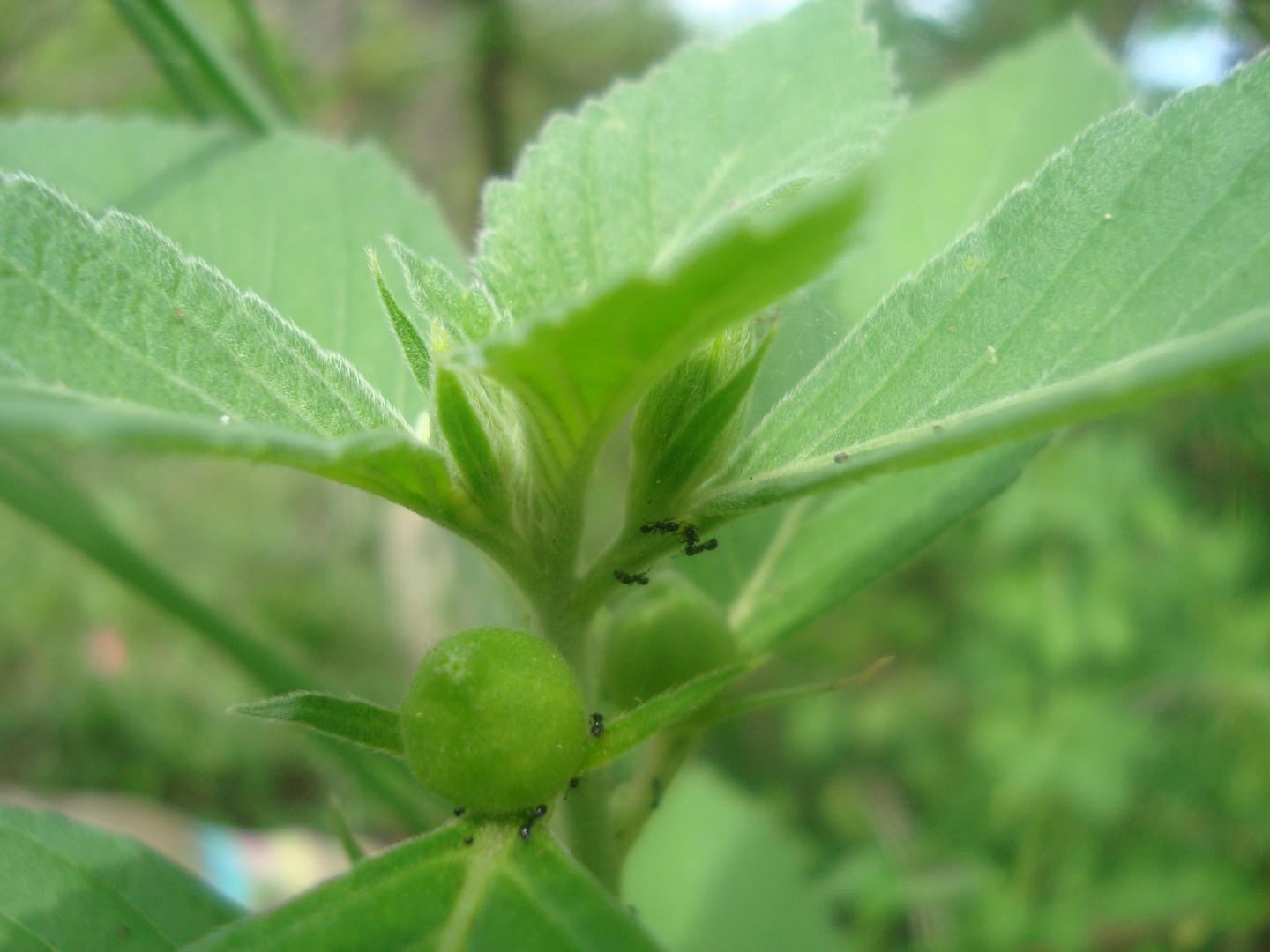
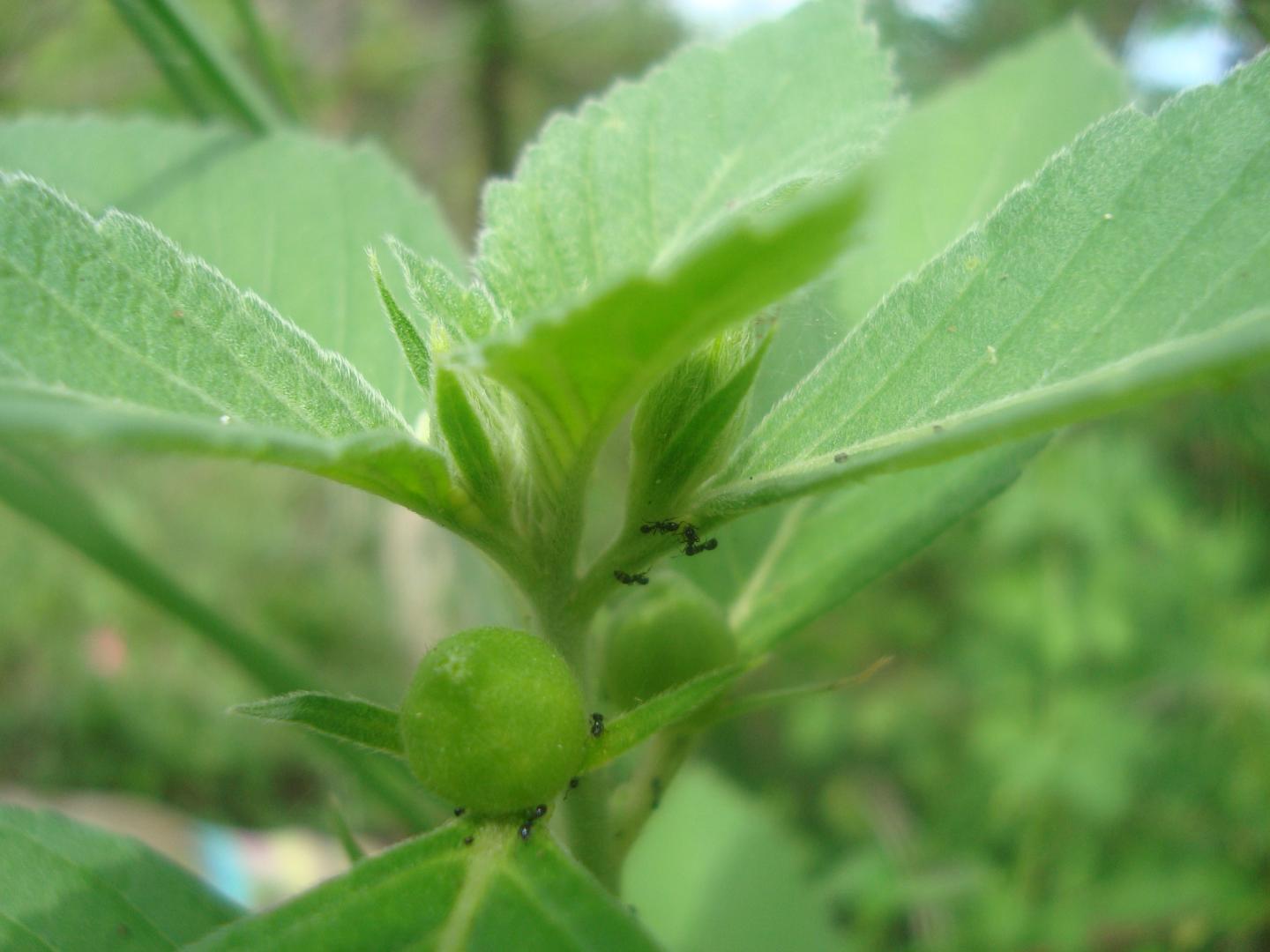
IMAGE

Credit: Nora Villamil-Buenrostro

Flowering crops such as beans and cotton offer their sweetest nectar to recruit colonising ants in a strategy that balances their need for defence and to reproduce, research suggests.

So-called ant-plants carefully manage the amount and sweetness of nectar produced on their flowers and leaves, a study shows.

This enables them to attract ants — which aggressively deter herbivores — while also luring insects that will spread pollen.

The findings could inform the commercial farming of produce from ant-plants, which also include pumpkins, courgettes, passionfruit and acacia honey.

Researchers from the University of Edinburgh studied the nectar secreted by a plant from the passionfruit family during flower and fruit development.

They sought to understand how such plants produce nectar on their flowers, fruits and leaves, to feed ants and pollinators.

Scientists were surprised to find that the greatest volume of sweetest nectar was produced surrounding flowers, to attract ants.

This may ensure that flowers, with their valuable pollen and potential fruits, are well defended from herbivores, while encouraging ants to stay away from the open flowers themselves.

Researchers had expected high secretions of nectar at buds and fruits to lure ants, but not at flowers, in order to avoid conflicts between ants and pollinators. The study, published in Biotropica, was funded by the National Autonomous University of Mexico.

Nora Villamil-Buenrostro, of the University of Edinburgh's School of Biological Sciences, who led the study, said: "Offering sweet bribes in the form of nectar may be a strategy used by ant-plants to avoid conflict between ants and pollinators. This allows a trade-off in which plants are well defended by bodyguard ants, without these scaring away pollinators."

###

Media Contact

Catriona Kelly
[email protected]
44-779-135-5940
@edinunimedia

http://www.ed.ac.uk

Original Source

http://www.ed.ac.uk/news/2017/crops-sweet-bribes-for-ants-help-them-bear-fruit

############

Story Source: Materials provided by Scienmag

Share15Tweet8Share2ShareShareShare2

Related Posts

Brookfield Zoo Chicago Achieves Major Milestone in Puerto Rican Crested Toad Conservation with Over 12,000 Tadpoles — Biology

Brookfield Zoo Chicago Achieves Major Milestone in Puerto Rican Crested Toad Conservation with Over 12,000 Tadpoles

May 19, 2026
Decoding p53 Vulnerability: Unraveling Why the Genome Guardian Often Fails — Biology

Decoding p53 Vulnerability: Unraveling Why the Genome Guardian Often Fails

May 19, 2026

New Imaging Technique Simultaneously Maps Brain Activity in Nine Cell Types — Over Four Times the Previous Limit

May 19, 2026

Decoding the Tumor Microenvironment Chemokine Network: From Immune Evasion to Innovative Multi-Target Therapies

May 19, 2026
Please login to join discussion

POPULAR NEWS

  • blank

    New Study Reveals Plants Can Detect the Sound of Rain

    732 shares
    Share 292 Tweet 183
  • Research Indicates Potential Connection Between Prenatal Medication Exposure and Elevated Autism Risk

    845 shares
    Share 338 Tweet 211
  • Breastmilk Balances E. coli and Beneficial Bacteria in Infant Gut Microbiomes

    58 shares
    Share 23 Tweet 15
  • ESMO 2025: mRNA COVID Vaccines Enhance Efficacy of Cancer Immunotherapy

    244 shares
    Share 98 Tweet 61

About

We bring you the latest biotechnology news from best research centers and universities around the world. Check our website.

Follow us

Recent News

Thioredoxin Reductase 3 Fuels EGFR Inhibitor Resistance

Targeted Therapy Advances in H3K27-Altered Glioma

Persistent High Rates of Violence Against Women, Especially Among Marginalized Groups

Subscribe to Blog via Email

Enter your email address to subscribe to this blog and receive notifications of new posts by email.

Join 82 other subscribers
  • Contact Us

Bioengineer.org © Copyright 2023 All Rights Reserved.

Welcome Back!

Login to your account below

Forgotten Password?

Retrieve your password

Please enter your username or email address to reset your password.

Log In
No Result
View All Result
  • Homepages
    • Home Page 1
    • Home Page 2
  • News
  • National
  • Business
  • Health
  • Lifestyle
  • Science

Bioengineer.org © Copyright 2023 All Rights Reserved.