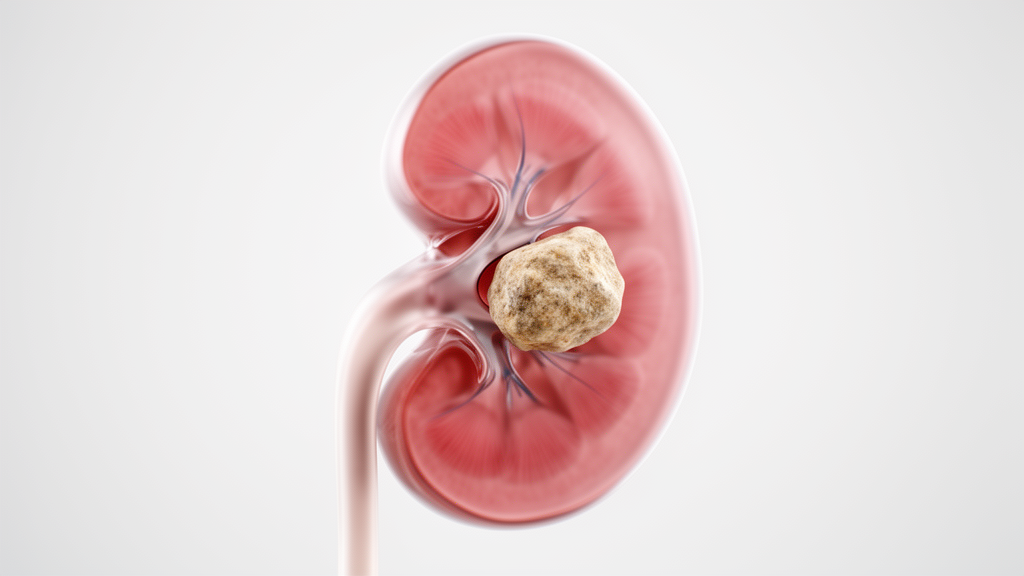
A cross-sectional study published in BMC Urology has identified significant deficiencies in the knowledge, attitudes, and clinical practices of healthcare providers regarding the prevention of recurrent kidney stones in Sudan. The research, conducted between October and December 2025, involved 405 licensed healthcare professionals who are actively involved in managing kidney stone cases. The study aimed to evaluate how well these providers understand and implement evidence-based strategies for preventing stone recurrence, a condition that is common and associated with high rates of repeat interventions and increased healthcare burden. Despite the existence of effective preventive measures, the findings suggest that their implementation in clinical practice remains suboptimal in this specific regional context.
The study utilized a descriptive cross-sectional design to gather data from a sample of 405 participants recruited through convenience sampling. The participants were primarily young professionals, with 84.7% aged between 25 and 34 years, and 83.7% having less than five years of clinical practice. Data collection was performed using a previously published 31-item structured questionnaire that assessed three key areas: knowledge, attitudes, and practice patterns related to recurrent kidney stone prevention. The statistical analysis was conducted using IBM SPSS version 27, allowing for a detailed examination of the descriptive statistics within the sample.
One of the most striking findings was the lack of formal training among the participants. More than half of the healthcare providers, specifically 56.3%, reported that they had not received any formal training in kidney stone prevention. For instance, only 45.2% of the participants correctly identified urinary citrate as the main inhibitor of stone formation.
Attitudes toward evidence-based preventive strategies were also mixed, indicating a potential disconnect between current clinical guidelines and provider beliefs. A notable 33.6% of the participants strongly disagreed with the statement that normal calcium intake prevents stones, while 41.0% disagreed with the recommendation to increase fluid intake for at-risk patients.
Clinical practice patterns further illustrated inconsistencies in how providers manage patients at risk for recurrent stones. Perhaps most critically, only 30.9% routinely performed stone analysis for every retrieved stone.
The study also highlighted several major barriers that hinder the implementation of effective preventive care. The most frequently reported barrier was the lack of patient education materials, cited by 55.3% of the participants. Medication costs were identified as a significant barrier by 44.7% of the providers, reflecting the economic challenges faced in resource-limited settings. Furthermore, 44.2% of the participants reported patient non-adherence as a major obstacle.
The authors conclude that substantial gaps exist in the knowledge, attitudes, and practices of healthcare providers in Sudan regarding recurrent kidney stone prevention. The study emphasizes the need for strengthening continuing medical education to address knowledge deficits, particularly concerning the protective role of urinary citrate and the importance of normal dietary calcium. Dissemination of clinical guidelines and improving access to preventive resources are also essential steps to enhance evidence-based care.
Subject of Research: Healthcare provider knowledge and practices in kidney stone prevention in Sudan
Article Title: Knowledge, attitudes, and practice patterns among healthcare providers in the prevention of recurrent kidney stones in Sudan: a cross-sectional study
Article References: Fadlelmoula, Y. A. D., Suliman, B. A. A., Gasmalha, M. E. A., Hussein, I. A. M., Gasmelseed, N. M. I., Mustafa, A. K. A., Abdalla, O. Z. E., Mohammed, A. S. K., Ali, J. O. O., & Ahmed, S. M. M. (2026). Knowledge, attitudes, and practice patterns among healthcare providers in the prevention of recurrent kidney stones in Sudan: a cross-sectional study. BMC Urology. https://doi.org/10.1186/s12894-026-02414-9
Image Credits: AI Generated
DOI: 10.1186/s12894-026-02414-9
Keywords: kidney stones, prevention, Sudan, healthcare providers, cross-sectional study, clinical practice, medical education, urinary citrate, Knowledge, attitudes, practice, patterns
News Source: Ophelia Keating. (November 8, 2026). Sudan Study Reveals Gaps in Kidney Stone Prevention Care. Scienmag.