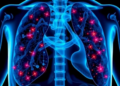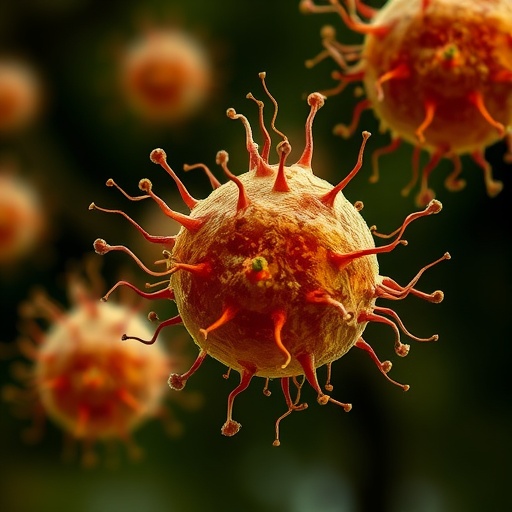
Most people who inhale the environmental fungus Cryptococcus neoformans never develop symptoms. The organism can settle in the lungs and remain there for years, restrained by the immune system without producing obvious illness. But when immune defenses weaken, the fungus may resume growth, spread through the bloodstream, and invade the central nervous system, where it can cause cryptococcal meningitis. New research from the Virginia-Maryland College of Veterinary Medicine at Virginia Tech has identified a more complex immune strategy behind this long-term control. Rather than relying on one dominant population of immune cells, the lungs appear to use several distinct groups of CD4 T cells that cooperate to keep the fungus in a dormant state.
The study, published in mBio, examines the immune response during latent cryptococcosis, the phase in which the fungus persists in the body without causing active disease. CD4 T cells are often described as coordinators of immunity because they release signaling molecules, or cytokines, that direct other immune cells and help shape the character of an immune response. Researchers have traditionally looked for a single dominant CD4 T-cell population capable of controlling C. neoformans. The Virginia Tech team instead found that different CD4 populations contribute through distinct mechanisms, creating a distributed defense system rather than a single-cell solution.
Kirsten Nielsen, professor of microbiology and immunology and senior author of the study, compared the immune response to a chessboard with several queens instead of one. The analogy reflects the unexpected diversity of the CD4 response in the infected lung. Some T cells appear to promote inflammatory activity, while others help regulate or restrain that activity. This balance is critical because the immune system must control the fungus without producing so much tissue-damaging inflammation that the lung itself becomes compromised. The results suggest that effective protection depends not simply on activating T cells, but on maintaining the right combination of activation, communication, and regulation over time.
A central feature of the study is the role of T helper 1, or Th1, activity. Th1 cells commonly produce interferon-gamma and other signals that activate macrophages, the immune cells responsible for engulfing and destroying microbes. During cryptococcal infection, macrophages can ingest fungal cells, but their behavior depends heavily on the signals they receive. Appropriate Th1 stimulation can increase antimicrobial activity and help contain the organism inside organized immune structures known as granulomas. These structures act as cellular barriers around infectious material. However, the study’s title points to a paradoxical finding: Th1 activation, which can be associated with damaging inflammation in some settings, was beneficial during latent infection when properly regulated.
The researchers also examined CTLA-4, an immune checkpoint molecule that helps limit T-cell activation. CTLA-4 competes with the stimulatory receptor CD28 for binding to the costimulatory molecules CD80 and CD86 on antigen-presenting cells. By reducing the strength of T-cell signaling, CTLA-4 can prevent excessive immune activation. In the context of latent cryptococcosis, that regulatory function appears to be beneficial. The findings indicate that CTLA-4 does not simply weaken antifungal immunity; instead, it may help calibrate the response so that inflammatory protection is sustained without becoming destructive. This provides a more nuanced view of immune checkpoints, which are often discussed primarily in relation to cancer therapy and immune suppression.
The distinction between fungal containment and fungal clearance is important. A latent infection is not necessarily an infection that has been eliminated. In this case, C. neoformans can remain in lung tissue while the immune system keeps its growth and movement under control. If the immune network is disrupted, dormant fungal cells may begin multiplying or disseminating. People receiving chemotherapy, recovering from organ transplantation, living with HIV, or taking immunosuppressive medications are particularly vulnerable to this transition. Once the fungus reaches the brain, it can cause meningitis, a life-threatening inflammation of the membranes surrounding the brain and spinal cord. Cryptococcosis is estimated to kill more than 150,000 people worldwide each year and remains a major cause of death among people living with HIV.
The new findings may help explain why clinicians currently have limited ability to predict which patients with a contained infection will later develop active disease. If several immune-cell populations cooperate to maintain latency, measuring one cell type or one inflammatory marker may provide only a partial picture of a person’s protection. It also means that a preventive therapy designed to strengthen antifungal immunity could fail if it activates one pathway while disrupting another. Future approaches may need to preserve the entire cellular network, including the T cells that stimulate macrophages and the regulatory populations that prevent uncontrolled inflammation. Such treatments could be especially valuable for patients who must undergo periods of medically necessary immune suppression.
The work represents the latest stage of a research program Nielsen has developed over more than a decade. Her laboratory has focused on the idea that the outcome of cryptococcal infection is determined in the lungs, even though the most severe symptoms often appear in the brain. Establishing mouse models that reproduce the quiet, persistent phase of human infection required extensive experimentation. These models allow researchers to study what happens before dissemination occurs, rather than examining the immune system only after meningitis has developed. The approach provides an opportunity to identify the cellular interactions that preserve latency and to determine which changes precede reactivation.
The implications extend beyond human medicine. C. neoformans can infect cats, dogs, and pet birds, and veterinary patients may develop respiratory disease, skin lesions, or neurological complications. Because many elements of mammalian antifungal immunity are shared across species, insights into the organization of CD4 T-cell responses could eventually inform diagnostic or therapeutic strategies for animals as well as people. The study does not yet establish a clinical intervention, and the researchers still need to determine how the different T-cell populations communicate with macrophages and other frontline cells in the infected lung. Nevertheless, the findings replace a simple model of one dominant protective cell with a more realistic picture of coordinated immunity. Understanding that network could ultimately make it possible to identify when latent cryptococcosis is becoming dangerous and to intervene before the fungus reaches the brain.
Subject of Research: Immune-cell coordination and latent infection by the fungus Cryptococcus neoformans
Article Title: Paradoxical Th1 activation and CTLA-4 regulation is beneficial during latent cryptococcosis
News Publication Date: 22-Jul-2026
Web References: Virginia-Maryland College of Veterinary Medicine at Virginia Tech: https://vetmed.vt.edu/; Article DOI: https://doi.org/10.1128/mbio.01528-26
References: mBio, “Paradoxical Th1 activation and CTLA-4 regulation is beneficial during latent cryptococcosis,” DOI: 10.1128/mbio.01528-26
Image Credits: Photo by Andrew Mann for Virginia Tech
Keywords: Cryptococcus neoformans, cryptococcosis, fungal infection, latent infection, CD4 T cells, Th1 cells, CTLA-4, macrophages, immune regulation, cryptococcal meningitis, One Health
Tags: CD4 T cell role in fungal infectionsCryptococcus neoformans immune responsecytokine signaling in cryptococcosisfungal meningitis immune defensefungal pathogen immune evasionimmune cell cooperation in fungal containmentimmune response in cryptococcal infectionsimmune strategies against environmental fungiimmune system complexity in fungal infectionslatent cryptococcosis immune controllong-term fungal infection regulationT cell populations in fungal latency