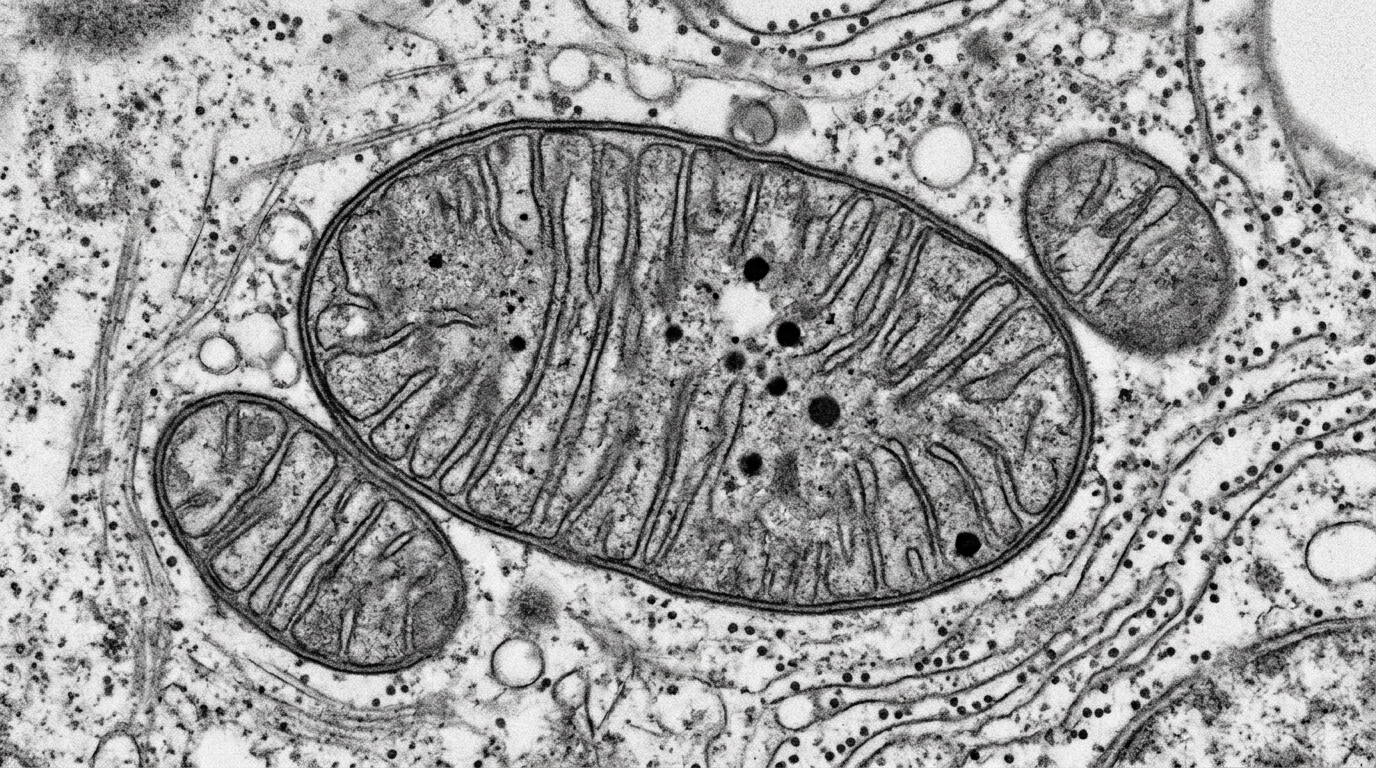
An investigation of 18 Chinese patients with enoyl-CoA hydratase 1 deficiency has characterized the clinical, biochemical, and molecular features of the condition. Enoyl-CoA hydratase 1 deficiency is a rare mitochondrial disorder known for marked clinical and genetic heterogeneity. Prior to this research, genotype-phenotype correlations and the functional consequences of many disease-associated variants remained insufficiently characterized, particularly among East Asian populations.
To address this gap, researchers analyzed the genetic findings of the 18 patients alongside functional measurements conducted in patient-derived lymphoblastoid cell lines and engineered cellular models. These laboratory evaluations specifically measured steady-state ECHS1 protein abundance, crotonyl-CoA hydratase activity, and mitochondrial respiration to systematically assess the cellular consequences of the identified genetic variants.
The patient cohort displayed a broad clinical spectrum that included developmental impairment as well as Leigh-like neuroimaging abnormalities. When examining the patient-derived cell lines, the researchers observed a consistent pattern of dysfunction, characterized by reduced steady-state ECHS1 protein abundance, decreased crotonyl-CoA hydratase activity, and impaired mitochondrial respiration.
In parallel, tests conducted in engineered cellular models demonstrated variant-dependent differences in both protein abundance and hydratase activity, providing functional evidence supporting the pathogenicity of the investigated variants. These cellular data provide integrated functional validation for the disease-associated variants identified in the cohort.
According to the authors, the investigation expands the known genetic and clinical spectrum of enoyl-CoA hydratase 1 deficiency in a Chinese cohort. The findings emphasize the complexity of genotype-phenotype relationships and suggest that this rare condition may involve broader metabolic dysregulation than previously recognized. Consequently, the study supports incorporating functional assays into variant interpretation, which may help improve future diagnostic and clinical stratification in mitochondrial disease.
Subject of Research: Clinical, biochemical, and molecular characterization of ECHS1 deficiency
Article Title: Clinical, biochemical, and molecular characterization of ECHS1 deficiency in 18 Chinese patients
Article References: Zhou, Y., Li, K., Zhu, R., Li, D., Chen, Z., Zhang, J., Wu, J., Lyu, J., Yang, Y., Yang, L., Li, W., & Lou, X. (2026). Clinical, biochemical, and molecular characterization of ECHS1 deficiency in 18 Chinese patients. Orphanet Journal of Rare Diseases. https://doi.org/10.1186/s13023-026-04709-4
Image Credits: AI Generated
DOI: 10.1186/s13023-026-04709-4
Keywords: ECHS1 deficiency, enoyl-CoA hydratase 1, mitochondrial disorder, mitochondrial respiration, crotonyl-CoA hydratase activity, Leigh-like abnormalities, developmental impairment, genotype-phenotype correlations, Chinese patient cohort, lymphoblastoid cell lines, engineered cellular models, variant pathogenicity, metabolic dysregulation, functional assays, clinical stratification, protein abundance, neuroimaging abnormalities
News Source: Ophelia Keating. (November 18, 2026). Study Identifies Functional Deficits in 18 Chinese Patients With ECHS1 Deficiency. Scienmag.