• HOME
  • NEWS
  • EXPLORE
    • CAREER
      • Companies
      • Jobs
    • EVENTS
    • iGEM
      • News
      • Team
    • PHOTOS
    • VIDEO
    • WIKI
  • BLOG
  • COMMUNITY
    • FACEBOOK
    • INSTAGRAM
    • TWITTER
Monday, June 22, 2026
BIOENGINEER.ORG
No Result
View All Result
  • Login
  • HOME
  • NEWS
  • EXPLORE
    • CAREER
      • Companies
      • Jobs
        • Lecturer
        • PhD Studentship
        • Postdoc
        • Research Assistant
    • EVENTS
    • iGEM
      • News
      • Team
    • PHOTOS
    • VIDEO
    • WIKI
  • BLOG
  • COMMUNITY
    • FACEBOOK
    • INSTAGRAM
    • TWITTER
  • HOME
  • NEWS
  • EXPLORE
    • CAREER
      • Companies
      • Jobs
        • Lecturer
        • PhD Studentship
        • Postdoc
        • Research Assistant
    • EVENTS
    • iGEM
      • News
      • Team
    • PHOTOS
    • VIDEO
    • WIKI
  • BLOG
  • COMMUNITY
    • FACEBOOK
    • INSTAGRAM
    • TWITTER
No Result
View All Result
Bioengineer.org
No Result
View All Result
Home NEWS Science News

Study finds pretty plants hog research and conservation limelight

Bioengineer by Bioengineer
May 10, 2021
in Science News
Reading Time: 2 mins read
0
IMAGE
Share on FacebookShare on TwitterShare on LinkedinShare on RedditShare on Telegram

IMAGE

Credit: n/a

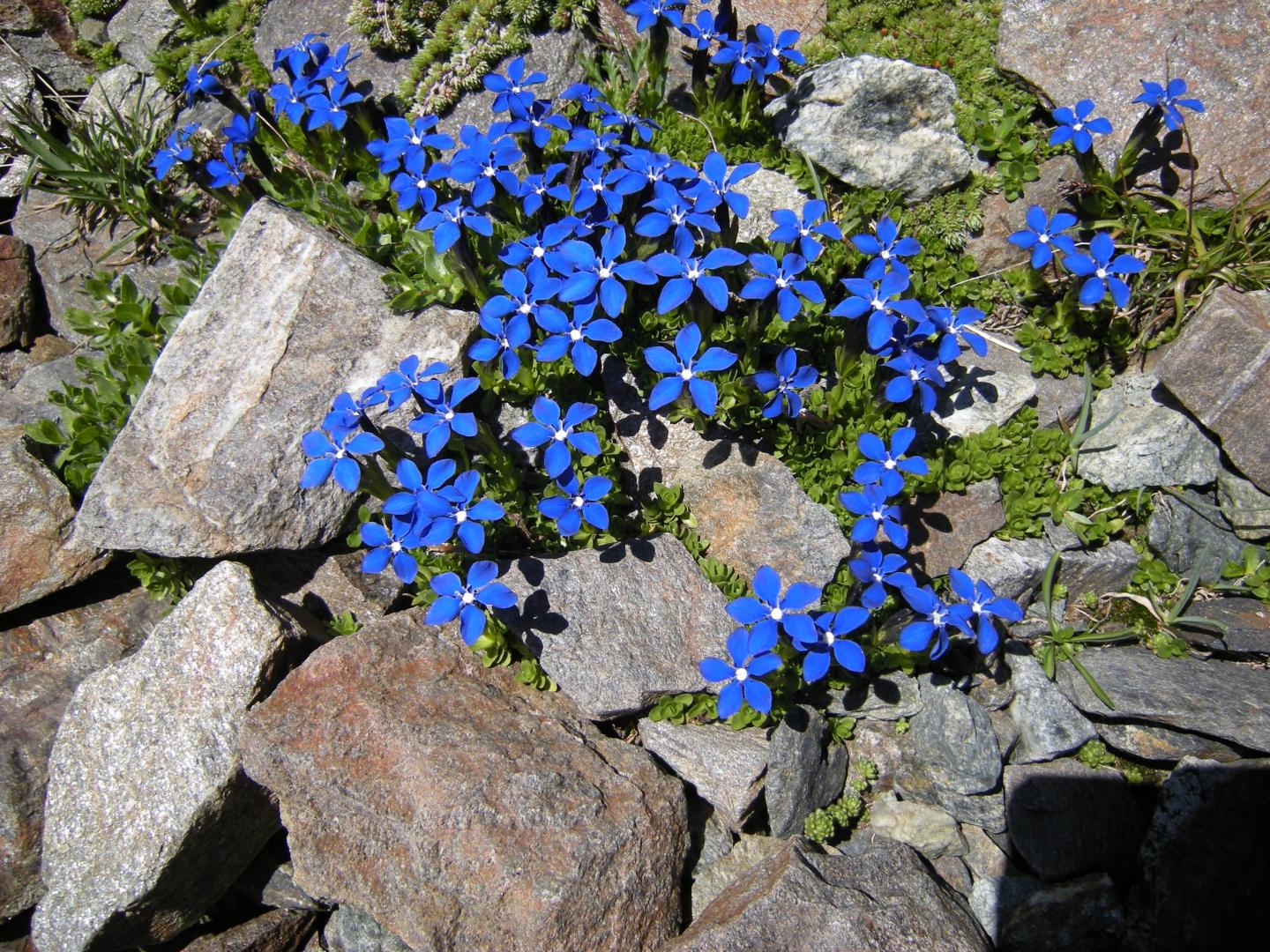
New Curtin University research has found a bias among scientists toward colourful and visually striking plants, means they are more likely to be chosen for scientific study and benefit from subsequent conservation efforts, regardless of their ecological importance.

Co-author John Curtin Distinguished Professor Kingsley Dixon from Curtin’s School of Molecular and Life Sciences was part of an international team that looked for evidence of an aesthetic bias among scientists by analysing 113 plant species found in global biodiversity hotspot the Southwestern Alps and mentioned in 280 research papers published between 1975 and 2020.

Professor Dixon said the study tested whether there was a relationship between research focus on plant species and characteristics such as the colour, shape and prominence of species.

“We found flowers that were accessible and conspicuous were among those that were most studied, while colour also played a big role,” Professor Dixon said.

“Blue plants, which are relatively rare, received the most research attention and white, red and pink flowers were more likely to feature in research literature than green and brown plants.

“Stem height, which determines a plant’s ability to stand out among others, was also a contributing factor, while the rarity of a plant did not significantly influence research attention.”

Professor Dixon said plant traits such as colour and prominence were not indicators of their ecological significance, and so the ‘attractiveness bias’ could divert important research attention away from more deserving species.

“This bias may have the negative consequence of steering conservation efforts away from plants that, while less visually pleasing, are more important to the health of overall ecosystems,” Professor Dixon said.

“Our study shows the need to take aesthetic biases more explicitly into consideration in experimental design and choice of species studied, to ensure the best conservation and ecological outcomes.”

The full paper, ‘Plant scientists research attention is skewed towards colorful, conspicuous, and broadly distributed flowers’ was published in Nature Plants.

###

Media Contact
Lucien Wilkinson
[email protected]

Original Source

https://dx.doi.org/10.1038/s41477-021-00912-2

Related Journal Article

http://dx.doi.org/10.1038/s41477-021-00912-2

Tags: BiodiversityBiologyEcology/EnvironmentPlant Sciences
Share12Tweet8Share2ShareShareShare2

Related Posts

Scientists Discover Daily Body Clock Regulating Humidity Response — Biology

Scientists Discover Daily Body Clock Regulating Humidity Response

June 22, 2026

Carbapenemase-Producing Enterobacterales Threaten Indian ICU Patients

June 22, 2026

Easing NICU Clinician Distress Through Team Meetings

June 22, 2026

Impedance Enables Temperature-Pressure Decoupling in Iontronic Sensors

June 22, 2026
Please login to join discussion

POPULAR NEWS

  • Saying Goodbye to PGY-6: Pediatric Fellowship Realities

    103 shares
    Share 41 Tweet 26
  • Multi-Hospital Study Reveals Long Covid Burden Is Twice as High as Current Estimates

    92 shares
    Share 36 Tweet 23
  • Detection of EDCs in Breast Milk and Infant Urine Up to Six Months Highlights Early Exposure Risks

    77 shares
    Share 31 Tweet 19
  • New Drug Candidate Developed at McMaster Shows Potential for Treating Brain Cancer

    58 shares
    Share 23 Tweet 15

About

We bring you the latest biotechnology news from best research centers and universities around the world. Check our website.

Follow us

Recent News

Scientists Discover Daily Body Clock Regulating Humidity Response

Carbapenemase-Producing Enterobacterales Threaten Indian ICU Patients

Easing NICU Clinician Distress Through Team Meetings

Subscribe to Blog via Email

Enter your email address to subscribe to this blog and receive notifications of new posts by email.

Join 82 other subscribers
  • Contact Us

Bioengineer.org © Copyright 2023 All Rights Reserved.

Welcome Back!

Login to your account below

Forgotten Password?

Retrieve your password

Please enter your username or email address to reset your password.

Log In
No Result
View All Result
  • Homepages
    • Home Page 1
    • Home Page 2
  • News
  • National
  • Business
  • Health
  • Lifestyle
  • Science

Bioengineer.org © Copyright 2023 All Rights Reserved.