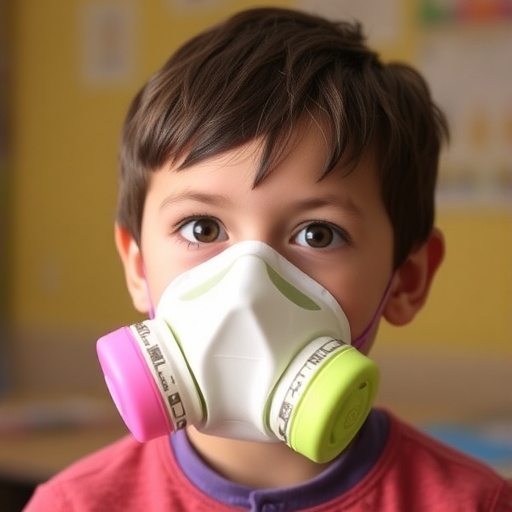
A new study is putting a spotlight on a critical—and potentially hidden—gap in pediatric training: whether graduating residents can reliably ventilate neonates using bag-mask ventilation (BMV). In neonatal resuscitation, effective ventilation is time-sensitive and technically demanding, yet it is often assumed to be mastered through routine clinical exposure. Hill and colleagues set out to test that assumption with objective performance evaluation rather than self-reported confidence.
The investigators focused on competency as a measurable outcome. Their primary goal was straightforward: determine the percentage of graduating pediatric residents who achieved competency in BMV for neonates. This matters because BMV failure can rapidly cascade into hypoxia, bradycardia, and worse neurologic outcomes—making ventilation quality a cornerstone skill during the earliest moments of life.
A second aim compared performance across resuscitation tools. The study tested whether residents demonstrated different competency when using a T-piece resuscitator versus a flow-inflating bag. These devices differ in how airflow and pressure are delivered, which can influence mask sealing, tidal delivery, and responsiveness during maneuvering.
Technically, T-piece systems can provide more controlled pressure and flow characteristics, potentially supporting consistent ventilation when technique is correct. Flow-inflating bags, by contrast, rely heavily on the provider’s ability to coordinate squeezing rate, maintain an effective mask seal, and adjust ventilation in real time. That means device choice may amplify skill differences rather than simply substitute for them.
To keep the assessment clinically meaningful, the study evaluated residents under scenarios designed to reflect neonatal resuscitation demands. Competency was linked to ventilation performance metrics—aimed at capturing not just whether ventilation occurred, but whether it was delivered effectively and appropriately.
The results reportedly “unmask” a core competency deficit, suggesting that the transition from training to independent practice may not guarantee reliable BMV performance. Such findings raise urgent questions about how neonatal skills are taught, assessed, and retained across residency programs.
Importantly, the tool comparison implies that training may need to be device-tailored or at least competency-validated across devices. If residents perform better with one system, that could inform simulation curriculum design, equipment availability, and competency rechecks before graduation.
By quantifying both overall competency rates and device-dependent differences, the study provides actionable targets for education reform. If neonate BMV competency is not consistently achieved, program-level changes—more frequent high-fidelity practice, standardized checklists, and objective OSCE-style evaluation—may be necessary to close the gap.
Ultimately, the work reframes BMV as a measurable proficiency that cannot be assumed. In the high-stakes environment of neonatal emergency care, reliable ventilation should be treated as a verified competency, not a hopeful expectation.
Subject of Research: Neonatal bag-mask ventilation competency in graduating pediatric residents; comparison of T-piece resuscitator vs. flow-inflating bag.
Article Title: Unmasking a core competency deficit: bag mask ventilation skills of graduating pediatric residents.
Article References: Hill, M.E., Ehrlich, S., Liu, C. et al. Pediatr Res (2026). https://doi.org/10.1038/s41390-026-05191-1
DOI: 10.1038/s41390-026-05191-1
Keywords: bag-mask ventilation; neonates; pediatric residents; competency assessment; T-piece resuscitator; flow-inflating bag
Tags: competency assessment in neonatal resuscitationevaluation of resuscitation device effectivenessflow-inflating bag vs T-piece resuscitatormedical education in pediatric critical careneonatal bag-mask ventilation skillsneonatal hypoxia preventionneonatal neurologic outcomes and ventilationneonatal ventilation performancepediatric resident training gapspediatric resuscitation trainingperformance metrics in neonatal resuscitationtechnical challenges in neonatal ventilation