• HOME
  • NEWS
  • EXPLORE
    • CAREER
      • Companies
      • Jobs
    • EVENTS
    • iGEM
      • News
      • Team
    • PHOTOS
    • VIDEO
    • WIKI
  • BLOG
  • COMMUNITY
    • FACEBOOK
    • INSTAGRAM
    • TWITTER
Saturday, June 27, 2026
BIOENGINEER.ORG
No Result
View All Result
  • Login
  • HOME
  • NEWS
  • EXPLORE
    • CAREER
      • Companies
      • Jobs
        • Lecturer
        • PhD Studentship
        • Postdoc
        • Research Assistant
    • EVENTS
    • iGEM
      • News
      • Team
    • PHOTOS
    • VIDEO
    • WIKI
  • BLOG
  • COMMUNITY
    • FACEBOOK
    • INSTAGRAM
    • TWITTER
  • HOME
  • NEWS
  • EXPLORE
    • CAREER
      • Companies
      • Jobs
        • Lecturer
        • PhD Studentship
        • Postdoc
        • Research Assistant
    • EVENTS
    • iGEM
      • News
      • Team
    • PHOTOS
    • VIDEO
    • WIKI
  • BLOG
  • COMMUNITY
    • FACEBOOK
    • INSTAGRAM
    • TWITTER
No Result
View All Result
Bioengineer.org
No Result
View All Result
Home NEWS Science News Biology

Stretched beyond the limits

Bioengineer by Bioengineer
May 8, 2020
in Biology
Reading Time: 3 mins read
0
IMAGE
Share on FacebookShare on TwitterShare on LinkedinShare on RedditShare on Telegram

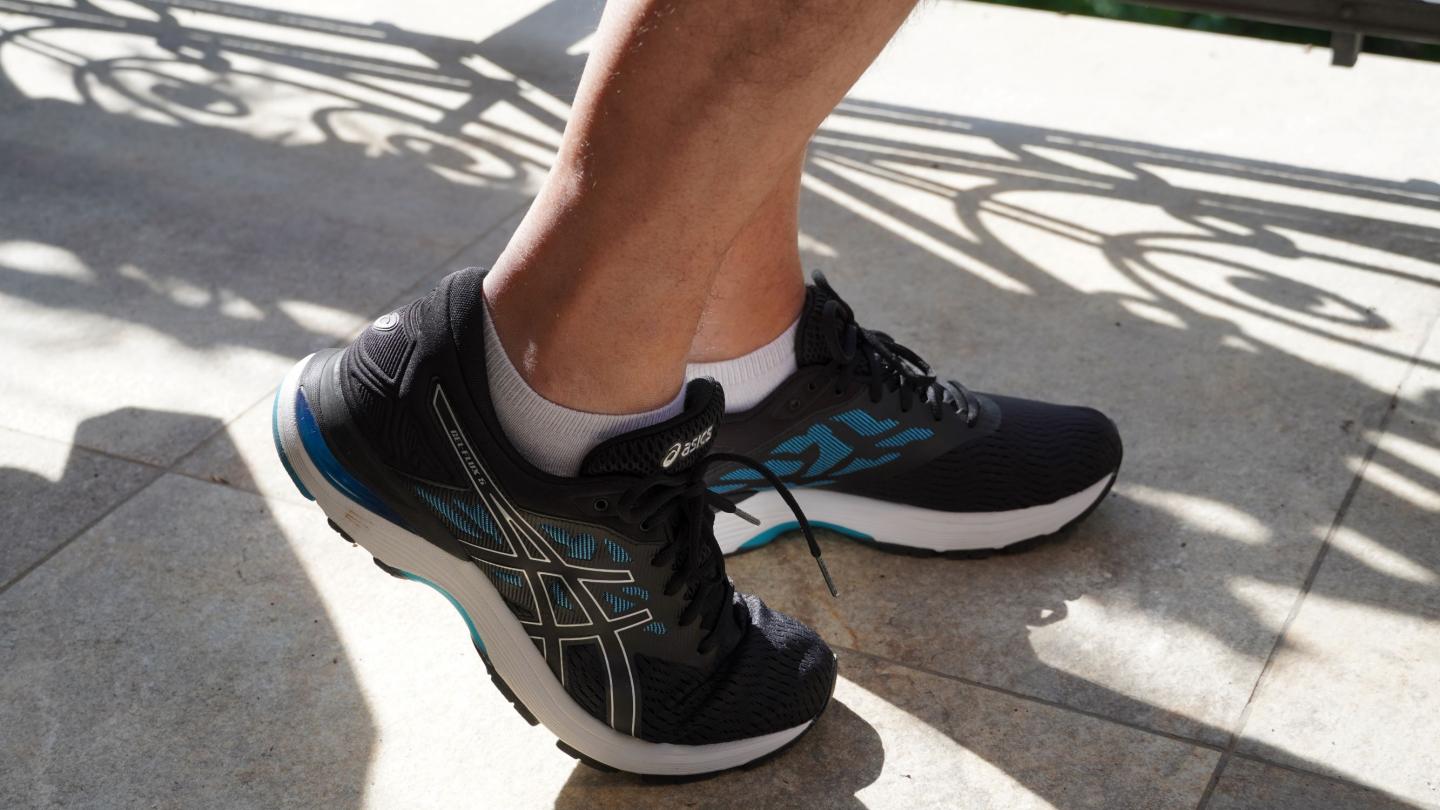
Mechanical stress can cause fatigue not only in synthetic materials, but also in mammalian tissues like collagen.
IMAGE

Credit: Photo: HITS

It has been known for many decades that synthetic polymers subjected to mechanical stress generate mechanoradicals by rupture of chemical bonds. But could those harmful and highly reactive radicals also form in our tissues when stretched?

Scientists from the Molecular Biomechanics Group at HITS tackled this question by taking a closer look at collagen, the protein which holds us together – literally – and provides structural and mechanical stability to all our connective tissues like bones, tendons, ligaments, and skin. “In this role it is under perpetual mechanical load and as such the perfect candidate”, says Frauke Graeter, who led the research at HITS. Together with colleagues from Homburg, Frankfurt and Seattle, her team showed in a series of especially devised experiments that excessive mechanical stress on collagen produces radicals. Knowing that radicals are known to cause damage and oxidative stress in the body, this finding was critical for the researchers.

“We managed to mount and pull a rat tail fascicle directly in the Electron-paramagnetic resonance cavity to monitor radical formation due to force in real time”, explains Christopher Zapp, PhD student in GraeterĀ“s team, the experimental set-up. Additional Molecular Dynamics simulations of the collagen fibril, comprising millions of atoms, helped to explain the observations: Chemical bonds break when collagen is stretched. But the resulting harmful radicals are quickly scavenged by nearby aromatic residues, so-called DOPAs. “Not only did we find stable radicals in collagen tissue, we also discovered DOPA residues in collagen, a modification that protects collagen against further damage.” The DOPA radicals then finally convert into hydrogen peroxide, an important oxidative molecule in the body. Collagen is therefore not just a mere bearer of force, it can also control its consequences.

“It was a challenging task to make sense of the peculiar radical signal we observed in the stressed biomaterial”, adds Reinhard Kappl from the Department of Biophysics at Saarland University and co-author of the study. “It needed the combination of expertise from different labs for a consistent picture.”

The study suggests that collagen has evolved as a radical sponge to combat damage. “We show that collagen protects itself from the radicals. Still, stretching this mechanism beyond its limits can eventually lead to oxidation-mediated pathologies, from pain to inflammation”, explains Agnieszka Obarska-Kosinska from HITS.

The findings might not only explain why playing football can at times be really painful, they are also a promising starting point for improving tissue repair and transplantation, for example in sports medicine.

###

Press Contact:

Dr. Peter Saueressig

Public Relations

Heidelberg Institute for Theoretical Studies (HITS)

Tel: +49 6221 533 245

[email protected]

https://www.h-its.org

Scientific Contact:

Prof. Dr. Frauke Graeter

Group Leader Molecular Biomechanics (MBM)

Heidelberg Institute for Theoretical Studies (HITS)

Phone: +49 6221 533 267

[email protected]

Media Contact
Peter Saueressig
[email protected]

Original Source

https://www.nature.com/articles/s41467-020-15567-4

Related Journal Article

http://dx.doi.org/10.1038/s41467-020-15567-4

Tags: Algorithms/ModelsBiochemistryBiologyBiomechanics/BiophysicsChemistry/Physics/Materials SciencesMaterialsMolecular BiologyMolecular Physics
Share12Tweet8Share2ShareShareShare2

Related Posts

Natural Hallucinogens: Evolution’s Ecological Tools, Not Mere Chemical Byproducts

June 25, 2026

This Famous Butterfly Revealed: Three Distinct Species Hidden in One

June 25, 2026

Scientists Attack Soybean Cyst Nematode by Starving Its Food Source

June 25, 2026

Decoding the Secret Code of a Crucial Immune Sensor

June 24, 2026
Please login to join discussion

POPULAR NEWS

  • Saying Goodbye to PGY-6: Pediatric Fellowship Realities

    103 shares
    Share 41 Tweet 26
  • Multi-Hospital Study Reveals Long Covid Burden Is Twice as High as Current Estimates

    92 shares
    Share 36 Tweet 23
  • Detection of EDCs in Breast Milk and Infant Urine Up to Six Months Highlights Early Exposure Risks

    77 shares
    Share 31 Tweet 19
  • New Drug Candidate Developed at McMaster Shows Potential for Treating Brain Cancer

    58 shares
    Share 23 Tweet 15

About

We bring you the latest biotechnology news from best research centers and universities around the world. Check our website.

Follow us

Recent News

Tracking Lanthanide-Labeled Microplastics in Plants

POSTECH Researchers Slash Cost of Reconstituted Cell-Free Systems by 95%

AI and Physics Collaborate to Design Advanced Hydrogen Storage Materials

Subscribe to Blog via Email

Success! An email was just sent to confirm your subscription. Please find the email now and click 'Confirm' to start subscribing.

Join 82 other subscribers
  • Contact Us

Bioengineer.org Ā© Copyright 2023 All Rights Reserved.

Welcome Back!

Login to your account below

Forgotten Password?

Retrieve your password

Please enter your username or email address to reset your password.

Log In
No Result
View All Result
  • Homepages
    • Home Page 1
    • Home Page 2
  • News
  • National
  • Business
  • Health
  • Lifestyle
  • Science

Bioengineer.org Ā© Copyright 2023 All Rights Reserved.