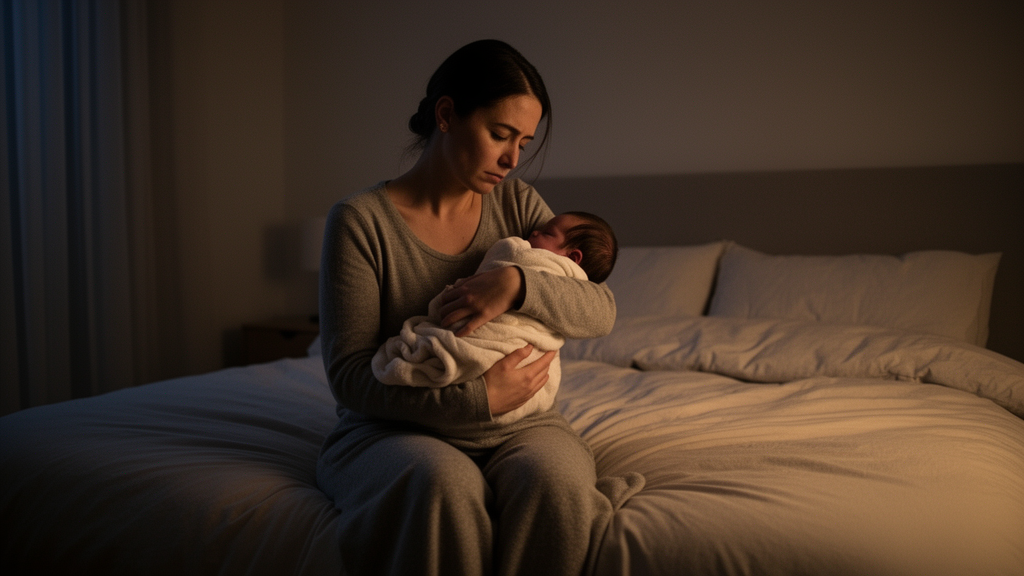
A cross-sectional study published in BMC Public Health has identified specific lifestyle behaviors that predict anxiety and well-being among low-resourced postpartum women. The findings suggest that better stress management, higher quality sleep, and stronger social support are associated with lower levels of anxiety and greater overall well-being in this specific demographic.
The study was motivated by the recognized vulnerability of postpartum women to anxiety and other mental health conditions, which can have negative consequences for both the mother and the infant. While lifestyle-based treatment approaches are known to prevent, manage, and treat various mental health issues, the authors note that these strategies are rarely integrated into standard postpartum care. This gap in clinical practice prompted the investigation into which specific lifestyle factors might serve as effective targets for intervention in low-resourced communities.
Using a cross-sectional design, the researchers analyzed a sample of low-resourced postpartum women to determine which lifestyle behaviors predicted anxiety and well-being. The cross-sectional nature of the study means that the data captures a snapshot in time, allowing for the identification of associations but not causal links.
The results indicated that women who reported better stress management, improved sleep quality, and higher levels of social support experienced lower anxiety and greater well-being. These findings highlight the potential importance of these three areas as targets for supporting mental health during the perinatal period. The study does not claim that these behaviors cause the reduction in anxiety, but rather that they are significant predictors of better mental health outcomes in this specific population.
The integration of these lifestyle approaches into postpartum care could potentially help protect against physical and mental chronic conditions and promote maternal-child health.
Future research should examine the longitudinal impacts of integrative, community-driven lifestyle interventions for postpartum women. While the current study provides valuable insights into the predictors of anxiety and well-being, it is limited by its cross-sectional design, which prevents the establishment of causality. The authors suggest that long-term studies are necessary to understand how sustained changes in stress management, sleep, and social support affect mental health over time.
Subject of Research: Predictors of anxiety and well-being in low-resourced postpartum women
Article Title: Postpartum lifestyle behaviors and mental well-being: examining predictors of anxiety and well-being in a low-resourced postpartum population
Article References: Pangalangan, J. M. L., & Farewell, C. V. (2026). Postpartum lifestyle behaviors and mental well-being: examining predictors of anxiety and well-being in a low-resourced postpartum population. BMC Public Health. https://doi.org/10.1186/s12889-026-30237-8
Image Credits: AI Generated
DOI: 10.1186/s12889-026-30237-8
Keywords: postpartum anxiety, mental well-being, low-resourced population, stress management, sleep quality, social support, cross-sectional study, perinatal health, lifestyle interventions, maternal health, BMC Public Health, community-driven care, preventive care, postpartum depression, chronic conditions, integrative care, psychological predictors, health equity, maternal-child health, clinical gaps
News Source: Glenn Wilkins. (November 13, 2026). Stress, Sleep, and Support Predict Postpartum Anxiety. Scienmag.