• HOME
  • NEWS
  • EXPLORE
    • CAREER
      • Companies
      • Jobs
    • EVENTS
    • iGEM
      • News
      • Team
    • PHOTOS
    • VIDEO
    • WIKI
  • BLOG
  • COMMUNITY
    • FACEBOOK
    • INSTAGRAM
    • TWITTER
Wednesday, October 7, 2026
BIOENGINEER.ORG
No Result
View All Result
  • Login
  • HOME
  • NEWS
  • EXPLORE
    • CAREER
      • Companies
      • Jobs
        • Lecturer
        • PhD Studentship
        • Postdoc
        • Research Assistant
    • EVENTS
    • iGEM
      • News
      • Team
    • PHOTOS
    • VIDEO
    • WIKI
  • BLOG
  • COMMUNITY
    • FACEBOOK
    • INSTAGRAM
    • TWITTER
  • HOME
  • NEWS
  • EXPLORE
    • CAREER
      • Companies
      • Jobs
        • Lecturer
        • PhD Studentship
        • Postdoc
        • Research Assistant
    • EVENTS
    • iGEM
      • News
      • Team
    • PHOTOS
    • VIDEO
    • WIKI
  • BLOG
  • COMMUNITY
    • FACEBOOK
    • INSTAGRAM
    • TWITTER
No Result
View All Result
Bioengineer.org
No Result
View All Result
Home Headlines

Stress of major life events impacts women more than men, shows poll of 2,000 people

Bioengineer.org by Bioengineer.org
January 24, 2018
in Headlines, Health, Science News
Reading Time: 3 mins read
0
Share on FacebookShare on TwitterShare on LinkedinShare on RedditShare on Telegram
IMAGE

Credit: The Physiological Society

New research has highlighted the potential gender gap in stress, with women reporting higher stress from life events such as death of a loved one, illness, losing their smartphone and Brexit.

The study, based on YouGov research commissioned by The Physiological Society, asked over 2000 people to rate how stressful they found key life events — and for every event, women were more stressed than men. The biggest difference was in the stress caused by the threat of terrorism and the smallest for the arrival of the first child (1) (2).

The study builds on the famous stress work of Holmes and Rahe in 1967 to determine how different life events affect people (3).

Key findings from the study included:

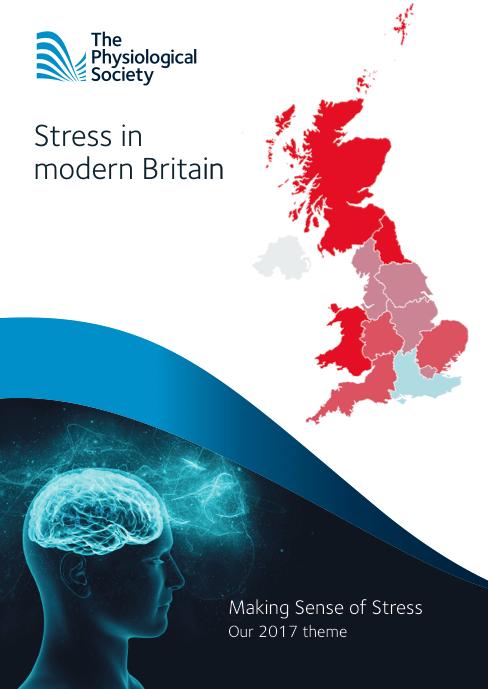
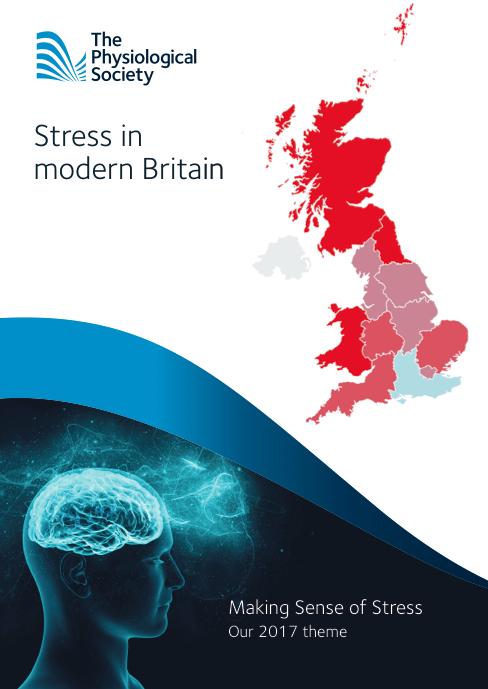
Geographic variations: The most stressed area was Scotland, while the least stressed was the South East of England. The East of England was notably upset by delays in their commutes, while Londoners were most sanguine about going on holiday.

Age: The results for some events point towards stress levels increasing with age, most strongly for long-term problems such as illness or imprisonment. Exceptions to this trend were the loss of a smartphone, which fits with the added difficulties this would cause to highly-connected younger generations, and the arrival of a first child. This was rated highest by those 25-34, who are likely to be the group experiencing this most recently.

Brexit: Brexit had the greatest variety of responses given, with 18-24 age group most likely to be stressed by it. Those living in London and Scotland are also more stressed by Brexit than those than Wales and much of the rest of England. Most markedly, those respondents educated to higher degree level reported considerably greater stress from Brexit than people with only GCSEs or A-Levels.

The Physiological Society is using the study to raise awareness of the effect of stress on the body's function. During stress, the body prepares for action by releasing hormones into the blood stream, which affects the heart as well as digestive and immune systems. Frequent and prolonged stress can cause long term physiological problems in the body. With women more likely to report feeling stressed than men, this could have a very real impact on their health.

This is part of The Physiological Society's year long theme 'Making Sense of Stress', which includes public lectures and seminars (4).

Commenting on the study, Dr Lucy Donaldson, Chair of The Physiological Society's Policy Committee, said:

"The modern world brings with it stresses we would not have imagined 50 years ago, such as social media and smartphones.

"It was striking that for every single event in this study, from money problems to Brexit, women reported greater stress levels than men. This could have a real impact on women's health.

"While many people are aware of the effect of stress on mental wellbeing, it is also important to consider the impact on the body's systems. Your brain, nervous and hormonal systems react to stress and it affects your heart, immune system and gastrointestinal system. When stress is prolonged, these effects on the whole body can result in illnesses such as ulcers or increased risk of heart attack."

###

Read the full report here: http://www.physoc.org/sites/default/files/page/1736%208%20page%20report%20%283%29.pdf

Media Contact

Julia Turan
[email protected]
44-020-726-95727
@ThePhySoc

Homepage

Share12Tweet7Share2ShareShareShare1

Related Posts

Medical Interpreters Do Far More Than Translate—and AI Cannot Replace It Yet

Medical Interpreters Do Far More Than Translate—and AI Cannot Replace It Yet

October 7, 2026
Rising Lactate Levels May Signal Deadly Neonatal Bowel Disease Early

Rising Lactate Levels May Signal Deadly Neonatal Bowel Disease Early

October 7, 2026

Advanced Wastewater Treatment Can Backfire, Raising Hidden Hormone Risks

October 7, 2026

Simple Blood and Weight Index Predicts Complications After Heart Bypass Surgery in the Elderly

October 7, 2026
Please login to join discussion

POPULAR NEWS

  • Alloys That Shrink Their Own Grains: New PIX Mechanism Refines Metals With Heat Alone

    Alloys That Shrink Their Own Grains: New PIX Mechanism Refines Metals With Heat Alone

    29 shares
    Share 12 Tweet 7
  • Endurance Exercise Reshapes the Liver in Males and Females Through Distinct Molecular Routes

    29 shares
    Share 12 Tweet 7
  • Single Transcription Factor PU.1 Rapidly Converts Fibroblasts into Macrophage-Lineage Cells

    29 shares
    Share 12 Tweet 7
  • New Scale Measures How Ready Nurse Educators Really Are for the AI Era

    29 shares
    Share 12 Tweet 7

About

We bring you the latest biotechnology news from best research centers and universities around the world. Check our website.

Follow us

Recent News

Alloys That Shrink Their Own Grains: New PIX Mechanism Refines Metals With Heat Alone

Endurance Exercise Reshapes the Liver in Males and Females Through Distinct Molecular Routes

Single Transcription Factor PU.1 Rapidly Converts Fibroblasts into Macrophage-Lineage Cells

Subscribe to Blog via Email

Success! An email was just sent to confirm your subscription. Please find the email now and click 'Confirm' to start subscribing.

Join 85 other subscribers
  • Contact Us

Bioengineer.org © Copyright 2023 All Rights Reserved.

Welcome Back!

Login to your account below

Forgotten Password?

Retrieve your password

Please enter your username or email address to reset your password.

Log In
No Result
View All Result
  • Homepages
    • Home Page 1
    • Home Page 2
  • News
  • National
  • Business
  • Health
  • Lifestyle
  • Science

Bioengineer.org © Copyright 2023 All Rights Reserved.