• HOME
  • NEWS
  • EXPLORE
    • CAREER
      • Companies
      • Jobs
    • EVENTS
    • iGEM
      • News
      • Team
    • PHOTOS
    • VIDEO
    • WIKI
  • BLOG
  • COMMUNITY
    • FACEBOOK
    • INSTAGRAM
    • TWITTER
Monday, July 13, 2026
BIOENGINEER.ORG
No Result
View All Result
  • Login
  • HOME
  • NEWS
  • EXPLORE
    • CAREER
      • Companies
      • Jobs
        • Lecturer
        • PhD Studentship
        • Postdoc
        • Research Assistant
    • EVENTS
    • iGEM
      • News
      • Team
    • PHOTOS
    • VIDEO
    • WIKI
  • BLOG
  • COMMUNITY
    • FACEBOOK
    • INSTAGRAM
    • TWITTER
  • HOME
  • NEWS
  • EXPLORE
    • CAREER
      • Companies
      • Jobs
        • Lecturer
        • PhD Studentship
        • Postdoc
        • Research Assistant
    • EVENTS
    • iGEM
      • News
      • Team
    • PHOTOS
    • VIDEO
    • WIKI
  • BLOG
  • COMMUNITY
    • FACEBOOK
    • INSTAGRAM
    • TWITTER
No Result
View All Result
Bioengineer.org
No Result
View All Result
Home NEWS Science News

Storming the cellular barricades to fight fungi

Bioengineer by Bioengineer
September 12, 2017
in Science News
Reading Time: 2 mins read
0
Share on FacebookShare on TwitterShare on LinkedinShare on RedditShare on Telegram
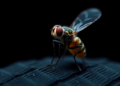
IMAGE

Credit: Yale University

New Haven, Conn. – Yale scientists have developed a new class of small molecules that attack fungal infections by clinging to the cell wall of harmful fungi and recruiting a swarm of antibodies to join the fight.

The discovery offers a potential new therapeutic approach to treating fungal illnesses that affect thousands of people each year, including patients whose immune systems are compromised by organ transplants, cancer treatment, and HIV infections.

The new compounds are called antibody-recruiting molecules targeting fungi (ARM-Fs). These small molecules have two main features: a target-binding terminus that latches onto the fungal cell wall, and an antibody-binding terminus that recognizes and recruits antibodies already present in the human bloodstream.

"Because we're using the human immune system as the effector arm, this strategy is incredibly versatile," said Yale chemistry and pharmacology professor David Spiegel, senior author of the study describing the discovery in the German science journal Angewandte Chemie. "It is the first time we've shown this strategy can work in treating a fungal disease."

Over the past decade, Spiegel's lab has explored small-molecule approaches to treating a range of diseases, including cancer and HIV. Not only are such molecules effective against drug-resistant strains of diseases, Spiegel said, they also may be used in combination with existing treatments.

"The possibility of a molecule like ours synergizing with existing fungal agents has tremendous potential," Spiegel said.

###

The co-first authors of the ARM-F study are Egor Chirkin, a postdoctoral associate in Spiegel's lab, and Viswanathan Muthusamy, a research scientist in Spiegel's lab. Co-authors are Paul Mann and Philippe Nantermet of Merck & Co., and Terry Roemer of Prokaryotics Inc.

The efficacy of the small molecules against pathogenic fungi was evaluated through in vitro studies. Spiegel noted that additional research is necessary before proceeding to human clinical trials.

A grant from Merck & Co. helped to fund the research.

Media Contact

Jim Shelton
[email protected]
203-432-3881
@yale

http://www.yale.edu
Share12Tweet8Share2ShareShareShare2

Related Posts

Scalable Nested-Block Framework Boosts Urban Infrastructure Efficiency and Equity

Scalable Nested-Block Framework Boosts Urban Infrastructure Efficiency and Equity

July 13, 2026
Computer-Controlled Electricity Quickly Shapes Flat Nanofilms into 3D Structures

Computer-Controlled Electricity Quickly Shapes Flat Nanofilms into 3D Structures

July 13, 2026

How Particle Shape and Spin Affect Optical Manipulation Efficiency

July 13, 2026

New Tick-Borne Threat: Anaplasmosis Spreads in Canada

July 13, 2026
Please login to join discussion

POPULAR NEWS

  • Detection of EDCs in Breast Milk and Infant Urine Up to Six Months Highlights Early Exposure Risks

    77 shares
    Share 31 Tweet 19
  • New Drug Candidate Developed at McMaster Shows Potential for Treating Brain Cancer

    58 shares
    Share 23 Tweet 15
  • KTU Researchers Explore Ultrasound’s Role in Enhancing Blood Flow Beyond Diagnostics

    53 shares
    Share 21 Tweet 13
  • Experimental Therapy Simultaneously Destroys Prostate Tumor Cells and Reactivates Antitumor Immunity

    46 shares
    Share 18 Tweet 12

About

We bring you the latest biotechnology news from best research centers and universities around the world. Check our website.

Follow us

Recent News

Scalable Nested-Block Framework Boosts Urban Infrastructure Efficiency and Equity

Computer-Controlled Electricity Quickly Shapes Flat Nanofilms into 3D Structures

How Particle Shape and Spin Affect Optical Manipulation Efficiency

Subscribe to Blog via Email

Enter your email address to subscribe to this blog and receive notifications of new posts by email.

Join 85 other subscribers
  • Contact Us

Bioengineer.org © Copyright 2023 All Rights Reserved.

Welcome Back!

Login to your account below

Forgotten Password?

Retrieve your password

Please enter your username or email address to reset your password.

Log In
No Result
View All Result
  • Homepages
    • Home Page 1
    • Home Page 2
  • News
  • National
  • Business
  • Health
  • Lifestyle
  • Science

Bioengineer.org © Copyright 2023 All Rights Reserved.