


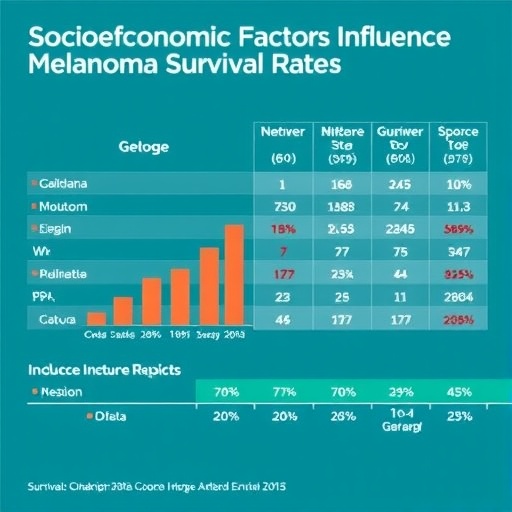
In recent years, the increasing incidence of melanoma has captured the attention of researchers, healthcare professionals, and the general public alike. This skin cancer, characterized by the uncontrolled growth of pigment-producing cells known as melanocytes, has profound implications for patient survival rates and health care systems globally. Emerging studies have underscored not just the biological factors associated with melanoma, but also how a myriad of socioeconomic and sociodemographic elements can significantly affect survival outcomes in patients diagnosed with this aggressive form of skin cancer.
The analysis presented by Dhillon and Farley delves deeply into this critical interplay between individual circumstances and cancer outcomes. Their research emphasizes that while melanoma can affect anyone, the experience of diagnosis and the pathway to treatment can vary widely based on a patient’s socioeconomic status. Individuals with lower income levels, inadequate access to healthcare, and fewer educational opportunities often find themselves at a disadvantage when battling melanoma. This disparity can lead to later-stage diagnoses and diminished chances of survival, as early detection remains a cornerstone of effective cancer treatment.
Furthermore, the researchers explored the impact of sociodemographic factors such as age, gender, race, and geographic location on melanoma survival outcomes. They found that certain demographics are more susceptible not only to the development of melanoma but also to poorer survival rates. For instance, older adults often face a more complex dialogue with melanoma, with age-related comorbidities contributing to treatment complications and, subsequently, survival. Gender differences were also noted, as studies have shown that men tend to have worse outcomes compared to women. This observation raises questions about the underlying biological and behavioral factors contributing to this discrepancy.
Race, too, plays a significant role in the analysis of melanoma outcomes. Historically, melanoma has been viewed primarily as a disease affecting individuals with lighter skin tones; however, those with darker skin are increasingly being diagnosed. The study highlights that racial minorities may experience delays in diagnosis and treatment, partially due to systemic barriers and implicit biases within healthcare systems. These delays can drastically alter survival rates, emphasizing the urgent need for inclusive awareness campaigns and improved access to dermatological care for all racial groups.
Geographic location poses another challenge in the fight against melanoma. The study illuminates how individuals in rural or underserved urban areas may lack essential resources for prevention and treatment. Access to specialized healthcare providers and advanced treatment options is often more limited in these regions, leading to stark disparities in treatment outcomes. The researchers argue that improving access to dermatological services in these areas could prove invaluable in enhancing survival rates among high-risk populations.
In addressing these multifaceted dimensions, the study also emphasizes the importance of public health initiatives aimed at education and prevention. Increased awareness regarding skin protection measures, early recognition of melanoma signs, and the importance of regular skin checks can significantly improve early detection. Dhillon and Farley contend that developing tailored outreach programs that account for the unique needs of diverse sociodemographic groups could effectively mitigate some of the observed disparities in melanoma survival outcomes.
Moreover, insurance coverage and financial stability are integral to navigating the melanoma therapeutic landscape. The study found that those with comprehensive insurance plans are more likely to receive timely and adequate treatment, which translates into improved survival rates. Conversely, individuals lacking insurance or access to affordable care frequently face barriers that hinder their treatment options. The researchers advocate for policies aimed at reducing healthcare costs and expanding insurance coverage to prioritize preventive care and early intervention.
In addition to systemic issues, individual behavioral factors also contribute to disparities in melanoma outcomes. Factors such as sun exposure, tanning practices, and health-seeking behavior significantly influence the likelihood of developing melanoma and the timing of diagnosis. Encouraging individuals to adopt sun-safe behaviors, including the use of sunscreen and protective clothing, is essential for prevention. Education campaigns tailored to high-risk demographics can promote skin health and enhance the understanding of melanoma among various populations.
The consequences of the study’s findings extend beyond individual patient experiences; they have profound implications for public health policy and educational programs. Policymakers must prioritize addressing socioeconomic disadvantages that affect healthcare access for melanoma patients. This includes considering how community resources and advocacy can diminish the gap in melanoma survival rates. The necessity for a continued focus on social determinants of health cannot be overstated, as these factors often remain deeply intertwined with diagnosis, treatment, and survival.
As we look ahead, the exploration of novel therapeutic strategies and emerging technologies offers hope in the fight against melanoma. Current research into immunotherapy and targeted therapies provides exciting avenues for treatment, yet the accessibility of these advancements must be considered through the lens of socioeconomic factors. Ensuring that innovative treatments are available to all patients, regardless of their financial or social circumstances, will be paramount in reducing the burden of melanoma on society.
Ultimately, the implications of Dhillon and Farley’s research are both profound and actionable. They urge a multifaceted approach that encompasses improvements in medical care, heightened public awareness, and systematic reforms in health policy. With collective effort, the goal of bridging the gap in melanoma survival outcomes can be achieved, paving the way for a healthier, more equitable future for all patients diagnosed with this challenging disease. The urgency for comprehensive strategies that tackle these socioeconomic and sociodemographic disparities in melanoma treatment and outcome is clear; it is a call for immediate action across the healthcare continuum.
By enhancing understanding and ensuring equitable access to essential health services, we take significant steps toward diminishing the impact of melanoma on affected individuals and communities. As awareness grows and barriers begin to crumble, we can hope for a future where melanoma patients receive the care they need, when they need it, regardless of their socioeconomic or sociodemographic backgrounds.
Subject of Research: The impact of socioeconomic and sociodemographic factors on melanoma survival outcomes.
Article Title: Impact of socioeconomic and sociodemographic factors on melanoma–analysis of survival outcomes.
Article References:
Dhillon, S., Farley, V.G. Impact of socioeconomic and sociodemographic factors on melanoma–analysis of survival outcomes.
Arch Dermatol Res 318, 48 (2026). https://doi.org/10.1007/s00403-025-04506-2
Image Credits: AI Generated
DOI: 10.1007/s00403-025-04506-2
Keywords: Melanoma, socioeconomic factors, sociodemographic factors, health outcomes, public health, healthcare access.
Tags: access to healthcare and melanoma outcomesage and gender differences in melanoma survivaleducational opportunities and cancer survivalgeographic variation in cancer care accesshealthcare access and cancer survivalimpact of sociodemographic factors on cancerimportance of early detection in melanomaincome levels and melanoma outcomesmelanoma survival rates and socioeconomic factorsracial disparities in melanoma prognosissocioeconomic disparities in cancer treatmentsocioeconomic status and health disparities



