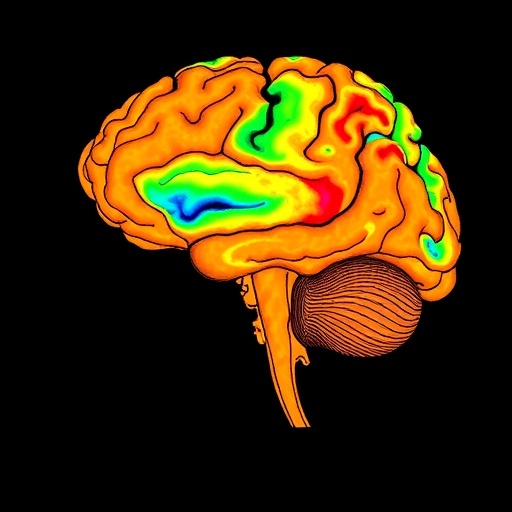
In a groundbreaking study poised to redefine our understanding of Parkinson’s disease progression, researchers have unveiled compelling evidence that social deficits occur well before the onset of the classical motor symptoms that define the illness. The collaborative effort, published in the prestigious journal npj Parkinson’s Disease, systematically backtracks the pathology of α-synuclein—an aberrant protein hallmark—revealing its early and pervasive impact on social behavior networks in the brain. This paradigm-shifting discovery offers unprecedented insights into the neurobiological cascade of Parkinson’s disease and opens new avenues for preclinical detection and intervention strategies.
The research team, led by Marino, Campanelli, Natale, and colleagues, employed an array of cutting-edge biochemical and neuroimaging techniques to trace the accumulation and propagation of α-synuclein pathology, a defining feature of Parkinson’s, beyond the regions of the brain traditionally associated with motor control. The comprehensive longitudinal analyses focused particularly on neuronal circuits implicated in social cognition and interaction—domains previously underexplored in the context of Parkinsonian neurodegeneration.
Central to the findings is the revelation that α-synuclein aggregates begin to disrupt synaptic integrity and neuronal communication in limbic and prefrontal regions, which govern social behaviors and emotional processing, substantially before any motor disturbances emerge. This pre-motor phase encompasses a prodromal period wherein patients experience subtle yet measurable deficits in social engagement, social cognition, and interpersonal responsiveness, phenomena often overlooked or misattributed to psychological stress or aging.
From a neuropathological perspective, the study dissects how pathological α-synuclein follows a stereotypical progression starting in olfactory and enteric nervous system pathways, gradually infiltrating interconnected brain networks. This spread involves a prion-like mechanism, whereby misfolded α-synuclein seeds induce conformational changes in native proteins, amplifying pathological aggregation and functional decline. It is within this cascade that social circuitries appear uniquely vulnerable, corroborating clinical observations of early social withdrawal and reduced empathy in affected individuals.
The methodological robustness stems from integrating longitudinal patient assessments with sophisticated positron emission tomography (PET) scanning and cerebrospinal fluid (CSF) biomarker profiling. These multimodal measures enabled precise temporal mapping of α-synuclein pathology vis-à-vis behavioral manifestations. Notably, social deficits correlated strongly with elevated α-synuclein levels in mesolimbic dopamine pathways and associated cortical areas, implicating dopaminergic dysregulation as a mechanistic substrate.
Further reinforcing their conclusions, the researchers validated their human findings using transgenic animal models engineered to express mutant α-synuclein. Behavioral assays in these models demonstrated emphatic impairments in social interaction paradigms antecedent to the development of hallmark motor impairments such as bradykinesia and rigidity. Histological examination revealed early synaptic loss and neuroinflammation localized predominantly in the prefrontal cortex and amygdala, aligning with the clinical symptomatology of interpersonal dysfunction.
Moreover, this study critically challenges the traditional diagnostic criteria for Parkinson’s disease, which largely hinge upon the recognition of motor abnormalities. The identification of social dysfunction as an early clinical biomarker significantly widens the diagnostic window, underscoring the importance of neuropsychiatric evaluations in at-risk populations. This shift demands a reassessment of clinical practices and the development of more sensitive screening tools that incorporate social cognitive metrics.
Importantly, the implications for therapeutic development are profound. Intervening during this critical pre-motor phase, when α-synuclein pathology is localized and before widespread neurodegeneration, could dramatically alter disease trajectories. The researchers advocate for exploring pharmacological agents that mitigate α-synuclein aggregation or bolster synaptic resilience specifically in social brain networks, alongside behavioral interventions aimed at sustaining social engagement and cognitive function.
This investigation also bridges a crucial gap in Parkinson’s research by integrating neuroscience, clinical psychology, and molecular biology, fostering a more holistic understanding of disease mechanisms. The convergence of these disciplines exemplifies the power of interdisciplinary collaboration in unraveling complex neurodegenerative disorders and crafting novel interventional frameworks.
As the study pioneers a comprehensive model linking α-synuclein pathology, social dysfunction, and motor symptomatology, it invites future research into the temporal and mechanistic nuances of Parkinson’s progression. Longitudinal population studies, utilizing digital phenotyping and wearable technology, promise to refine early detection paradigms further and personalize patient care, tailoring interventions to individual disease dynamics.
Equally noteworthy is the potential for this research to destigmatize early social deficits associated with Parkinson’s. Recognizing these symptoms as genuine neurobiological phenomena rather than psychosocial consequences empowers patients and caregivers, fostering earlier medical engagement and support network mobilization.
The authors also highlight the necessity of incorporating social cognitive rehabilitation into comprehensive Parkinson’s management programs. Such approaches could potentially enhance quality of life and delay functional decline, presenting a multi-dimensional therapeutic strategy that transcends symptom suppression to encompass holistic patient well-being.
Crucially, this study underscores α-synuclein’s central pathogenic role not only in neuronal death but also in subtle dysfunction of higher-order brain processes. It calls for a paradigm shift from viewing Parkinson’s solely as a motor disease to appreciating it as a multifaceted neuropsychiatric disorder, where early social impairments herald deeper neurodegenerative processes.
In sum, Marino and colleagues’ meticulous backtracking of α-synuclein pathology reshapes our conceptual framework of Parkinson’s disease onset, heralding a new era of earlier diagnosis and targeted therapeutics. As the scientific community digests these revelations, the hope for significantly improved outcomes for Parkinson’s patients grows ever stronger, fueled by a deeper understanding of the intimate link between social brain integrity and neurodegeneration.
Subject of Research: Parkinson’s disease progression with a focus on early social deficits preceding motor symptoms linked to α-synuclein pathology.
Article Title: Backtracking α-synuclein pathology: social deficits precede motor symptoms in Parkinson’s disease.
Article References:
Marino, G., Campanelli, F., Natale, G. et al. Backtracking α-synuclein pathology: social deficits precede motor symptoms in Parkinson’s disease.
npj Parkinsons Dis. (2025). https://doi.org/10.1038/s41531-025-01225-3
Image Credits: AI Generated
Tags: early signs of Parkinson’s diseaseemotional processing in neurodegenerationintervention strategies for Parkinson’slimbic system and Parkinson’smotor symptoms and social cognitionneurobiological effects on social behaviorneuroimaging techniques in Parkinson’s researchParkinson’s disease social deficitspreclinical detection of Parkinson’sprodromal phase of Parkinson’s diseaseresearchers studying Parkinson’s diseaseα-synuclein pathology progression