• HOME
  • NEWS
  • EXPLORE
    • CAREER
      • Companies
      • Jobs
    • EVENTS
    • iGEM
      • News
      • Team
    • PHOTOS
    • VIDEO
    • WIKI
  • BLOG
  • COMMUNITY
    • FACEBOOK
    • INSTAGRAM
    • TWITTER
Tuesday, May 19, 2026
BIOENGINEER.ORG
No Result
View All Result
  • Login
  • HOME
  • NEWS
  • EXPLORE
    • CAREER
      • Companies
      • Jobs
        • Lecturer
        • PhD Studentship
        • Postdoc
        • Research Assistant
    • EVENTS
    • iGEM
      • News
      • Team
    • PHOTOS
    • VIDEO
    • WIKI
  • BLOG
  • COMMUNITY
    • FACEBOOK
    • INSTAGRAM
    • TWITTER
  • HOME
  • NEWS
  • EXPLORE
    • CAREER
      • Companies
      • Jobs
        • Lecturer
        • PhD Studentship
        • Postdoc
        • Research Assistant
    • EVENTS
    • iGEM
      • News
      • Team
    • PHOTOS
    • VIDEO
    • WIKI
  • BLOG
  • COMMUNITY
    • FACEBOOK
    • INSTAGRAM
    • TWITTER
No Result
View All Result
Bioengineer.org
No Result
View All Result
Home NEWS Science News Biology

Small rodent species may become endangered

Bioengineer by Bioengineer
June 21, 2017
in Biology
Reading Time: 1 min read
0
Share on FacebookShare on TwitterShare on LinkedinShare on RedditShare on Telegram
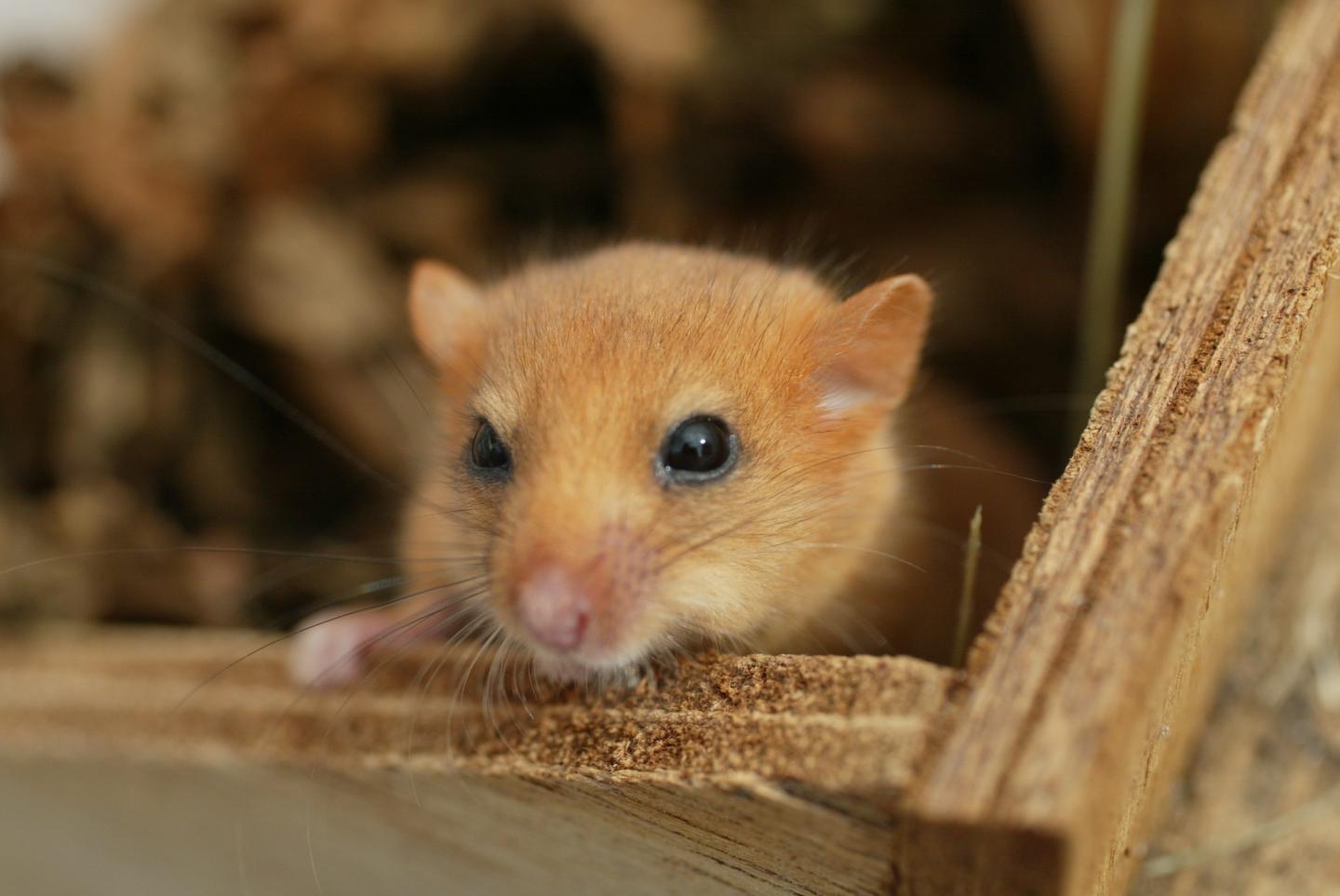
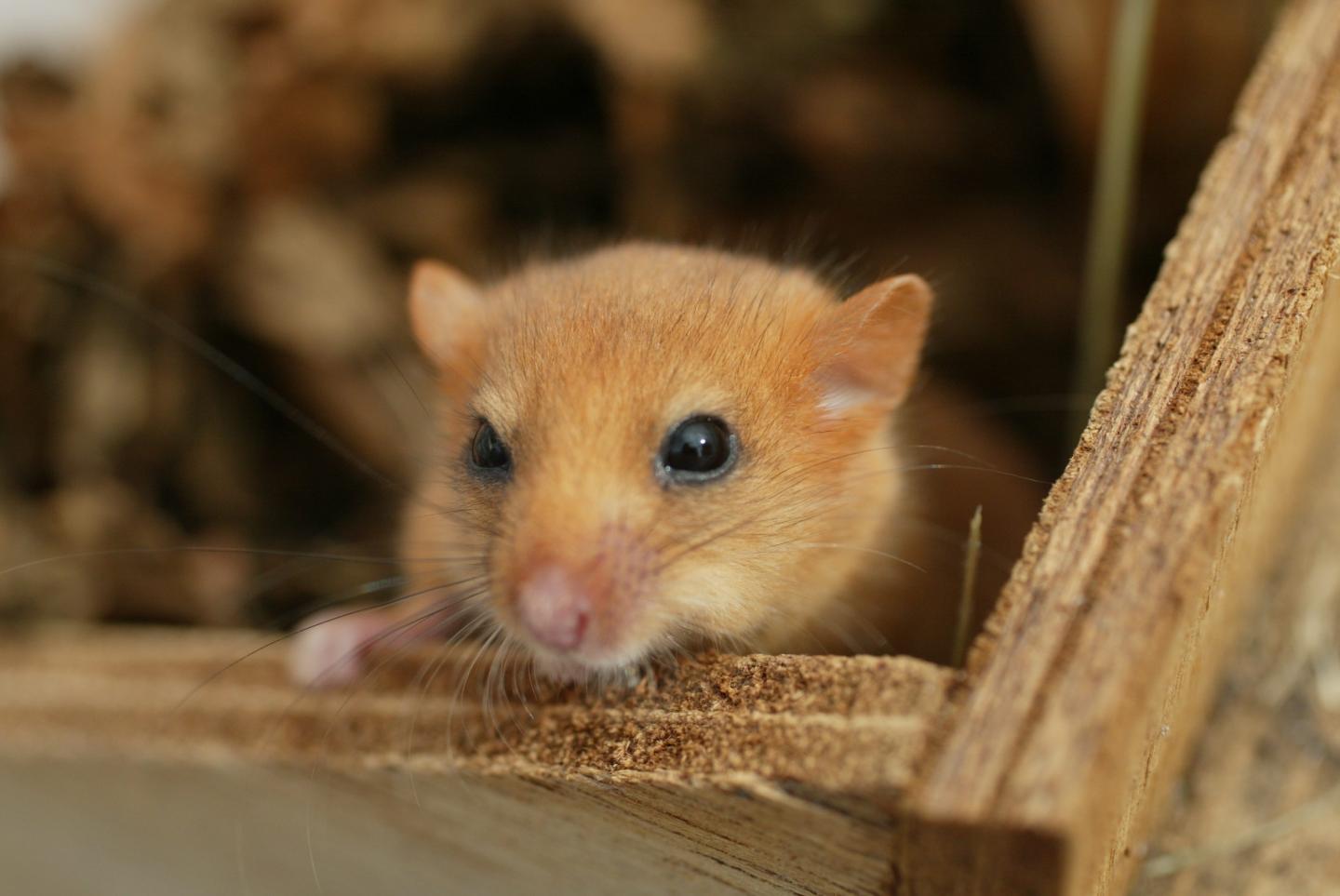
IMAGE

Credit: Thames Water

A small rodent called the hazel dormouse (Muscardinus avellanarius) is a European Protected Species and is monitored by volunteers at sites in England and Wales for the National Dormouse Monitoring Programme. A recent analysis of data from 400 UK sites between 1993 and 2014 found a 72% decline in dormice over this period, which amounts to an annual rate of decline of 5.8%.

The decline is ongoing and could mean that dormice are endangered in the UK, though the species is a top priority for conservation. "Dormice are declining despite strict protection and widespread efforts to conserve one of Britain's most endearing woodland mammals," said Cecily Goodwin, lead author of the Mammal Review study.

Dormice live in woodlands, scrub and hedgerows, and eat flowers, nuts and insects. Dormice are nocturnal and often sleep for much of the day, enabling dormouse monitors to make careful counts.

"Dormice face a range of problems: climate change and habitat loss are likely to be important, but we think that appropriate woodland management could make a big difference," said senior author Prof. Robbie McDonald.

###

Media Contact

Penny Smith
[email protected]

http://newsroom.wiley.com/

Related Journal Article

http://dx.doi.org/10.1111/mam.12091

############

Story Source: Materials provided by Scienmag
Share12Tweet8Share2ShareShareShare2

Related Posts

New Study Uncovers “Bet-Hedging” Strategy Enabling Gut Bacteria to Survive and Thrive — Biology

New Study Uncovers “Bet-Hedging” Strategy Enabling Gut Bacteria to Survive and Thrive

May 19, 2026
Transcription Attenuation Boosts Rifampicin-Resistant TB Weaknesses — Biology

Transcription Attenuation Boosts Rifampicin-Resistant TB Weaknesses

May 19, 2026

Decoding Darkness: Photoreceptor Functions With and Without Light

May 19, 2026

Advanced Models Pave the Way for Improved Therapies Targeting Primary Sclerosing Cholangitis

May 19, 2026
Please login to join discussion

POPULAR NEWS

  • Research Indicates Potential Connection Between Prenatal Medication Exposure and Elevated Autism Risk

    845 shares
    Share 338 Tweet 211
  • New Study Reveals Plants Can Detect the Sound of Rain

    731 shares
    Share 292 Tweet 182
  • Salmonella Haem Blocks Macrophages, Boosts Infection

    62 shares
    Share 25 Tweet 16
  • Breastmilk Balances E. coli and Beneficial Bacteria in Infant Gut Microbiomes

    58 shares
    Share 23 Tweet 15

About

We bring you the latest biotechnology news from best research centers and universities around the world. Check our website.

Follow us

Recent News

Ice-forming proteins spark innovative ‘cool’ technologies

Enhancing Efficiency and Sustainability in Chemical Reaction Control

Floating solar systems surge ahead as land-based solar power falls behind

Subscribe to Blog via Email

Enter your email address to subscribe to this blog and receive notifications of new posts by email.

Join 82 other subscribers
  • Contact Us

Bioengineer.org © Copyright 2023 All Rights Reserved.

Welcome Back!

Login to your account below

Forgotten Password?

Retrieve your password

Please enter your username or email address to reset your password.

Log In
No Result
View All Result
  • Homepages
    • Home Page 1
    • Home Page 2
  • News
  • National
  • Business
  • Health
  • Lifestyle
  • Science

Bioengineer.org © Copyright 2023 All Rights Reserved.