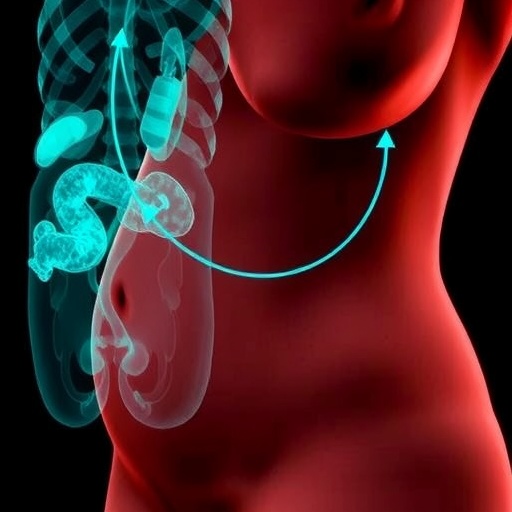
Vertical sleeve gastrectomy (VSG) is known for producing swift metabolic improvements in people with obesity and type 2 diabetes mellitus (T2DM), but the biological chain of events that remodels fat tissue after surgery has remained partly hidden. Now, a new study points to a specific endocrine factor—Asprosin—as a missing link between the gastrointestinal operation and white adipose tissue (WAT) transformation.
Asprosin, a fasting-induced adipokine, has previously been tied to metabolic dysfunction. In the current work, researchers asked whether changes in Asprosin could explain why VSG promotes “browning” in WAT, a process in which energy-dissipating, thermogenic-like characteristics emerge. Browning is considered beneficial because it can increase energy expenditure and improve metabolic health.
Using experimental models of VSG, the team reports that surgery suppresses circulating and/or adipose-associated Asprosin signaling. This suppression is accompanied by molecular changes consistent with enhanced browning, including markers associated with thermogenic potential and oxidative stress regulation.
Mechanistically, the study highlights an ATF3–Nrf2/HO-1 axis as a key signaling route. ATF3 appears to act upstream, helping to shift the balance toward activation of Nrf2, a transcription factor that orchestrates cellular antioxidant defenses. Once activated, Nrf2 promotes expression of HO-1, an enzyme involved in heme metabolism and cytoprotective responses.
Crucially, the researchers connect Asprosin downregulation to this axis: reduced Asprosin is associated with stronger ATF3 activity and subsequent Nrf2/HO-1 signaling, creating a cellular environment that favors browning rather than energy storage. This provides a pathway linking hormonal fasting cues, surgical intervention, and fat tissue phenotype.
The findings also help reconcile why VSG can generate metabolic benefits rapidly—well before major weight loss might fully account for the effect. Instead, endocrine and transcriptional regulation may prime adipose tissue for functional remodeling soon after surgery.
Overall, the study identifies Asprosin as a candidate therapeutic target and frames ATF3–Nrf2/HO-1 activation as a browning-driving mechanism. If translated to humans, modulating this pathway could complement bariatric procedures—or inspire non-surgical strategies for obesity and T2DM.
Zhao, S., Fu, Y., Ding, Z. et al. Sleeve gastrectomy induces adipose browning via suppression of Asprosin and activation of the ATF3-Nrf2/HO-1 axis. Int J Obes (2026). https://doi.org/10.1038/s41366-026-02167-3
Subject of Research: Obesity and type 2 diabetes; adipose tissue browning after bariatric surgery
Article Title: Sleeve gastrectomy induces adipose browning via suppression of Asprosin and activation of the ATF3-Nrf2/HO-1 axis.
Article References: Zhao, S., Fu, Y., Ding, Z. et al. Int J Obes (2026). https://doi.org/10.1038/s41366-026-02167-3
Image Credits: AI Generated
DOI: 10.1038/s41366-026-02167-3
Keywords: Vertical sleeve gastrectomy; Asprosin; adipose browning; ATF3; Nrf2; HO-1; thermogenesis
Tags: Adipose tissue browning mechanismsATF3-Nrf2 signaling pathwayEndocrine factors in bariatric surgeryImpact of VSG on adipokinesMetabolic improvements post-bariatric surgeryMolecular pathways of adipose browningobesity and metabolic healthOxidative stress regulation in fat tissueRole of Asprosin in metabolismSleeve gastrectomy and fat remodelingThermogenic gene activationWhite adipose tissue transformation