• HOME
  • NEWS
  • EXPLORE
    • CAREER
      • Companies
      • Jobs
    • EVENTS
    • iGEM
      • News
      • Team
    • PHOTOS
    • VIDEO
    • WIKI
  • BLOG
  • COMMUNITY
    • FACEBOOK
    • INSTAGRAM
    • TWITTER
Sunday, February 8, 2026
BIOENGINEER.ORG
No Result
View All Result
  • Login
  • HOME
  • NEWS
  • EXPLORE
    • CAREER
      • Companies
      • Jobs
        • Lecturer
        • PhD Studentship
        • Postdoc
        • Research Assistant
    • EVENTS
    • iGEM
      • News
      • Team
    • PHOTOS
    • VIDEO
    • WIKI
  • BLOG
  • COMMUNITY
    • FACEBOOK
    • INSTAGRAM
    • TWITTER
  • HOME
  • NEWS
  • EXPLORE
    • CAREER
      • Companies
      • Jobs
        • Lecturer
        • PhD Studentship
        • Postdoc
        • Research Assistant
    • EVENTS
    • iGEM
      • News
      • Team
    • PHOTOS
    • VIDEO
    • WIKI
  • BLOG
  • COMMUNITY
    • FACEBOOK
    • INSTAGRAM
    • TWITTER
No Result
View All Result
Bioengineer.org
No Result
View All Result
Home NEWS Science News Health

Sleep apnea immediately compromises blood pressure

Bioengineer by Bioengineer
February 10, 2018
in Health
Reading Time: 2 mins read
0
Share on FacebookShare on TwitterShare on LinkedinShare on RedditShare on Telegram
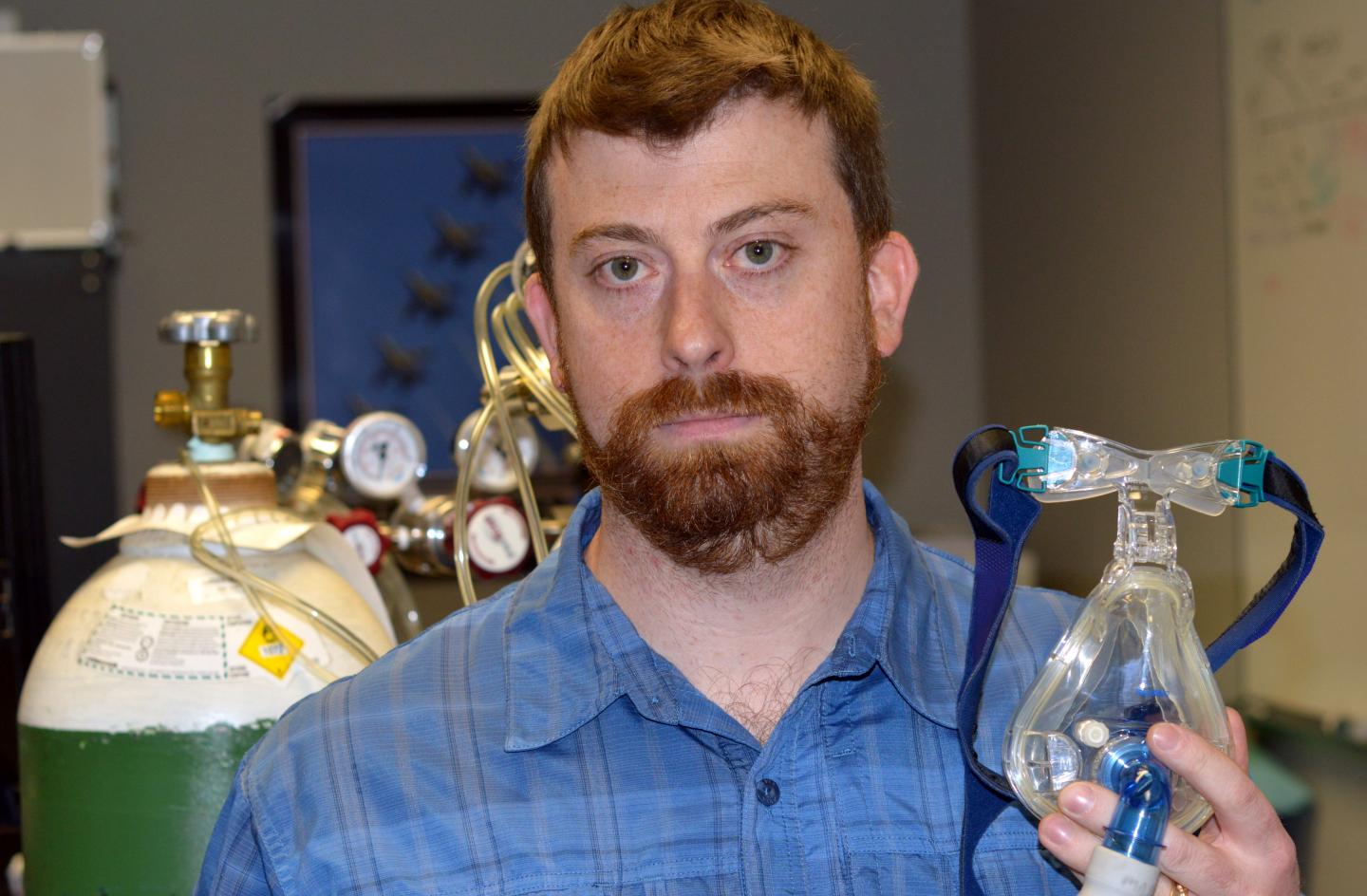
IMAGE

Credit: UBC

A single bout of sleep apnea impacts the human body's ability to regulate blood pressure.

In a recent study measuring the impact of simulated sleep apnea on humans, researchers at UBC's Okanagan campus found that just six hours of the fluctuating oxygen levels associated with sleep apnea can begin to deteriorate a person's circulatory system.

Sleep apnea is a condition where breathing repeatedly stops and starts during sleep. The condition can result in frequent periods of decreased oxygen levels in the body, known as intermittent hypoxia.

"While it is well established that sleep apnea is linked to high blood pressure, our study shows this condition has an impact on the cardiovascular system that can begin within a single day," says Glen Foster, an assistant professor of health and exercise science. "After just six hours of fluctuating oxygen levels, similar to what happens with sleep apnea, the body's ability to regulate blood pressure is impaired.

"These changes occurred almost immediately in healthy young adults who were not experiencing the cumulative effects years of sleep apnea could bring about."

As part of his study, Foster examined the impact of intermittent hypoxia on the cardiovascular system in 10 healthy young adults. Study participants wore a ventilating mask for six hours and oxygen levels were altered to mimic sleep apnea symptoms.

The study found that sleep apnea compromised the function of a person's baroreceptors–biological sensors that regulate blood pressure. It also found damaging blood flow patterns in the legs, which over time could impact vascular health.

"These findings suggest that interventions for people suffering sleep apnea should occur as soon as the condition is diagnosed," adds Foster.

According to the Public Health Agency of Canada, 5.4 million Canadians are either diagnosed with or at high risk for sleep apnea.

Foster's research was recently published in the American Journal of Physiology.

###

Media Contact

Patty Wellborn
[email protected]
250-807-8463

http://ok.ubc.ca/welcome.html

Share12Tweet8Share2ShareShareShare2

Related Posts

Attitudes Toward Aging Impact Early Nursing Home Quality

February 8, 2026

Transforming Healthcare: Just Culture and Restorative Practices

February 8, 2026

Guiding Patients Through Obesity Diagnosis: A Primer

February 8, 2026

Evaluating a Self-Care App for Chest Trauma Patients

February 8, 2026
Please login to join discussion

POPULAR NEWS

  • Robotic Ureteral Reconstruction: A Novel Approach

    Robotic Ureteral Reconstruction: A Novel Approach

    82 shares
    Share 33 Tweet 21
  • Digital Privacy: Health Data Control in Incarceration

    63 shares
    Share 25 Tweet 16
  • Breakthrough in RNA Research Accelerates Medical Innovations Timeline

    53 shares
    Share 21 Tweet 13
  • Mapping Tertiary Lymphoid Structures for Kidney Cancer Biomarkers

    50 shares
    Share 20 Tweet 13

About

We bring you the latest biotechnology news from best research centers and universities around the world. Check our website.

Follow us

Recent News

Attitudes Toward Aging Impact Early Nursing Home Quality

Transforming Healthcare: Just Culture and Restorative Practices

Guiding Patients Through Obesity Diagnosis: A Primer

Subscribe to Blog via Email

Enter your email address to subscribe to this blog and receive notifications of new posts by email.

Join 73 other subscribers
  • Contact Us

Bioengineer.org © Copyright 2023 All Rights Reserved.

Welcome Back!

Login to your account below

Forgotten Password?

Retrieve your password

Please enter your username or email address to reset your password.

Log In
No Result
View All Result
  • Homepages
    • Home Page 1
    • Home Page 2
  • News
  • National
  • Business
  • Health
  • Lifestyle
  • Science

Bioengineer.org © Copyright 2023 All Rights Reserved.