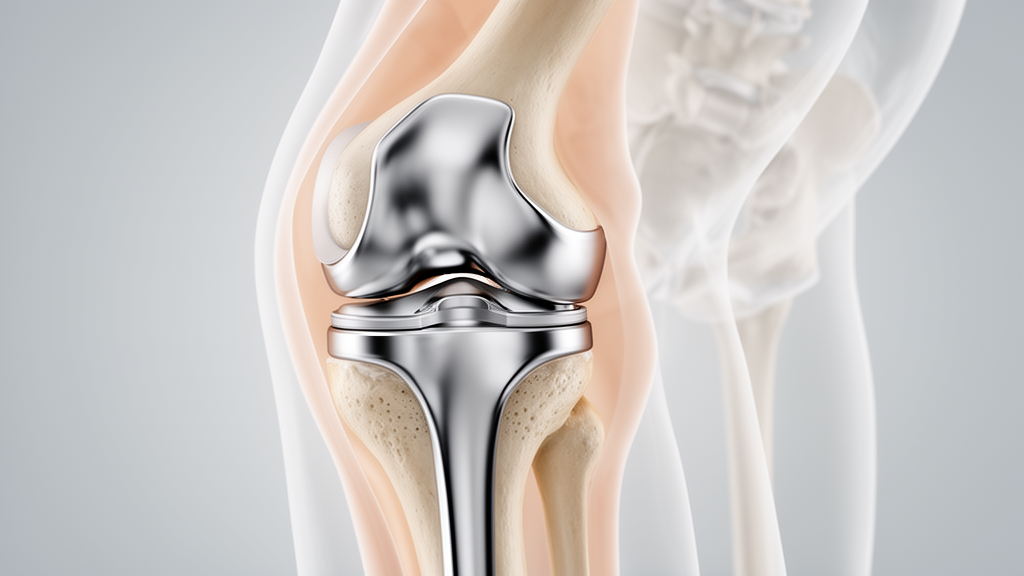
A recent retrospective study evaluating long-term outcomes of single-radius total knee arthroplasty (TKA) in an Asian population has identified no significant differences in clinical performance or survivorship between cruciate-retaining (CR) and posterior-stabilized (PS) implant designs. The investigation, which tracked 222 knees across 152 patients over a mean follow-up period of 13.2 years, sought to determine if variations in posterior cruciate ligament management and sagittal stability mechanisms within the same single-radius system led to divergent long-term patient results. High-flexion activities such as squatting and floor sitting, which are culturally significant in many Asian regions, have previously prompted questions regarding whether different implant designs might experience distinct rates of wear or failure, yet the study found consistent success across both groups.
The study cohort consisted of 112 CR knees and 110 PS knees, with implant selection driven by specific clinical indications rather than randomization. PS designs were preferentially utilized in cases involving severe coronal deformity exceeding 15 degrees, significant fixed flexion contractures greater than 20 degrees, or preoperative posterior cruciate ligament insufficiency. Consequently, the baseline characteristics between the two groups showed initial imbalances, with the PS group presenting more complex pathology. To mitigate these disparities and ensure a more accurate comparative analysis, the researchers employed inverse probability of treatment weighting, which adjusted for baseline factors including age, sex, body mass index, and preoperative function scores.
Following these adjustments, clinical evaluations—which included the Knee Society Knee Score, the Knee Society Function Score, and the Western Ontario and McMaster Universities Osteoarthritis Index—revealed significant improvements for the overall study population compared to preoperative values. However, direct comparisons between the CR and PS designs indicated no statistically significant differences in these primary or secondary clinical metrics at the final follow-up. Achievement rates for minimal clinically important differences and patient-acceptable symptom states were also comparable between the two design groups, reinforcing the observation that neither approach demonstrated a functional superiority in this patient demographic.
The surgical approach utilized a consistent single-radius Triathlon prosthesis system for all cases, employing mechanical alignment principles and a mini-mid vastus approach. A notable technical difference was observed in the posterior tibial slope, which was targeted at 5 degrees for CR knees and 3 degrees for PS knees to optimize stability and gap balance. While this variation was statistically significant, it was consistent with established gap-balancing protocols for each specific design rather than an incidental radiographic finding. The researchers noted that this design-specific adjustment did not appear to cause measurable clinical or survivorship consequences for the patients involved.
Regarding implant durability, the study reported an overall 15-year Kaplan–Meier revision-free survivorship of 96.2% for all-cause revisions. When analyzed separately, all-cause and aseptic revision-free survivorship rates did not differ significantly between the CR and PS designs. While it was observed that all three instances of aseptic tibial loosening occurred within the PS group, researchers cautioned against interpreting this as definitive evidence of a causal relationship. The small number of total revision events—six across the entire cohort—significantly limited the statistical power of the study to exclude clinically meaningful differences between the designs, suggesting that these survivorship results should be viewed as hypothesis-generating rather than conclusive proof of equivalence.
The study highlights the technical demands of cruciate-retaining TKA, which requires precise posterior cruciate ligament preservation and soft-tissue balancing to achieve successful outcomes. Conversely, posterior-stabilized designs remain a common clinical choice, particularly in patients with severe deformities, due to the predictability offered by the cam-post mechanism in providing posterior stability. Despite these biomechanical variations, the long-term results indicate that both designs are viable options for Asian patients when the choice is individualized based on specific patient indications and deformity severity.
Limitations identified by the research team include the retrospective nature of the study and the potential for residual confounding from unmeasured variables such as real-time intraoperative soft-tissue quality or gaps that were not captured by the weighting model. Furthermore, the study’s single-center design and specific reliance on one implant platform may influence the broader generalizability of the findings, particularly to Western populations with different lifestyle habits or anatomical distributions. The authors emphasized that the adjusted findings are not a substitute for evidence of noninferiority, as the limited event count prevents a definitive exclusion of design-related survivorship differences.
Ultimately, the evidence supports the use of single-radius TKA systems in achieving high levels of patient satisfaction and long-term implant survival. By demonstrating that favorable outcomes are attainable with both cruciate-retaining and posterior-stabilized designs, the researchers provide valuable long-term data for surgeons to use when tailoring procedures to individual patient needs. As surgical techniques evolve toward more patient-specific or kinematically aligned approaches, these findings provide a necessary baseline for understanding the performance of current implant technologies in populations that demand high levels of functional mobility over decades of post-operative life.
The original study screening evaluated 385 primary total knee arthroplasties performed with the single-radius prosthesis system at the medical center between July 2006 and December 2015. Researchers applied precise inclusion and exclusion criteria, eliminating 40 knees treated for conditions other than primary osteoarthritis and 123 knees due to patient mortality or loss to follow-up prior to the 10-year mark. This selection yielded a final cohort of 222 knees in 152 patients, comprising 112 cruciate-retaining and 110 posterior-stabilized procedures. A single experienced orthopedic surgeon who conducted more than 200 primary knee replacements annually performed every procedure using conventional manual instruments under mechanical alignment principles. Surgical execution utilized a mini-mid vastus approach, establishing ligamentous balance through a modified gap-balancing technique. In the overall cohort, the mean patient age at surgery was 67.7 years with a standard deviation of 6.4 years. The mean follow-up duration spanned 13.5 years in the cruciate-retaining group and 12.8 years in the posterior-stabilized group, confirming comparable follow-up duration between the cohorts.
Intraoperative protocols governed implant selection whenever surgical conversion proved necessary. When a cruciate-retaining design was initially attempted, the surgeon converted to a posterior-stabilized implant if residual flexion contracture persisted or if intraoperative tensioner assessment showed that the flexion gap remained at least two millimeters tighter than the extension gap despite posterior tibial slope adjustment and graded ligament release. Selective patellar resurfacing was performed only when patients had Outerbridge grade III or IV cartilage degeneration or documented preoperative anterior knee pain, provided patellar bone thickness was at least 20 millimeters. Clinical follow-up occurred preoperatively, at six weeks, three months, six months, one year, and annually thereafter until the final examination. Range of motion and flexion contractures were measured supine with a goniometer. Meaningful clinical improvement was evaluated against minimal clinically important difference thresholds of 5.9 points for the Knee Society Knee Score and 6.4 points for the Knee Society Function Score, while patient-acceptable symptom state was set at 22 points or higher on the Forgotten Joint Score. Radiographic assessments by two independent surgeons demonstrated good-to-excellent interobserver reliability, with intraclass correlation coefficients between 0.88 and 0.94 across measured limb alignment angles.
To evaluate statistical rigor, the researchers completed a sensitivity power analysis for the primary outcome measure, the Knee Society Function Score, using an established effect size of 0.47. The analysis demonstrated that the 112 cruciate-retaining and 110 posterior-stabilized knees provided 93.6 percent statistical power at an alpha level of 0.05 to detect that designated clinical difference. To address initial covariate disparities between groups, the team applied stabilized inverse probability weights truncated at the first and ninety-ninth percentiles, successfully achieving standardized mean differences below 0.10 across demographic, clinical, and radiographic variables. On the primary weighted outcome, the cruciate-retaining group reached a final mean function score of 82.1 points compared to 81.1 points in the posterior-stabilized group, resulting in a weighted difference of minus 1.02 points that showed no statistical significance. Furthermore, investigators applied a post hoc Holm multiplicity adjustment across all secondary clinical scores, including range of motion, flexion contracture, and joint awareness. This correction produced adjusted p-values of 1.000 across the board, confirming that the absence of significant differences between implant designs remained robust after controlling for family-wise error rates.
Postoperative complications were documented according to standardized Knee Society definitions over longitudinal follow-up, during which individual tracking extended up to 18 years for cruciate-retaining cases and 19 years for posterior-stabilized cases. Overall complication rates showed 5 events among 112 cruciate-retaining knees and 10 events among 110 posterior-stabilized knees, representing no statistically significant difference. Revision surgeries were required in 6 of the 222 knees, including two cruciate-retaining knees and four posterior-stabilized knees. Both observed instability cases manifested as extension instability, confirmed intraoperatively during revision and treated via polyethylene insert exchanges. Kaplan–Meier survivorship at 15 years demonstrated an all-cause revision-free rate of 97.0 percent in the cruciate-retaining group and 95.6 percent in the posterior-stabilized group, with an identical log-rank p-value of 0.99. Fifteen-year aseptic revision-free survivorship was estimated at 98.9 percent in cruciate-retaining knees and 95.6 percent in posterior-stabilized knees, also yielding a log-rank p-value of 0.99. Biomechanically, repetitive high-flexion loading in posterior-stabilized implants may theoretically transfer heightened stress through cam-post interactions to the tibial fixation interface, where all three aseptic loosening cases were observed. However, the predominance of female patients, the single-center setting, and the small total count of revision events warrant cautious interpretation when generalizing these findings.
Subject of Research: Comparison of long-term outcomes between cruciate-retaining and posterior-stabilized single-radius total knee arthroplasty in an Asian population.
Article Title: Long-term outcomes of single-radius total knee arthroplasty in an Asian population: a comparison of cruciate-retaining and posterior-stabilized designs
Article References: Jang, G.-Y., Lee, H., & Kim, K.-I. (2026). Long-term outcomes of single-radius total knee arthroplasty in an Asian population: a comparison of cruciate-retaining and posterior-stabilized designs. Knee Surgery & Related Research, 38(1), Article 48. https://doi.org/10.1186/s43019-026-00349-x
Image Credits: AI Generated
DOI: 10.1186/s43019-026-00349-x
Keywords: orthopedic surgery, total knee arthroplasty, single-radius design, cruciate-retaining TKA, posterior-stabilized TKA, long-term outcomes, implant survivorship, Asian population, knee kinematics, surgical outcomes, clinical performance, joint replacement, osteoarthritis, implant selection, knee surgery
News Source: Ophelia Keating. (November 18, 2026). Single-Radius Knee Replacement Outcomes Consistent Between Design Types in Asian Cohort. Scienmag.