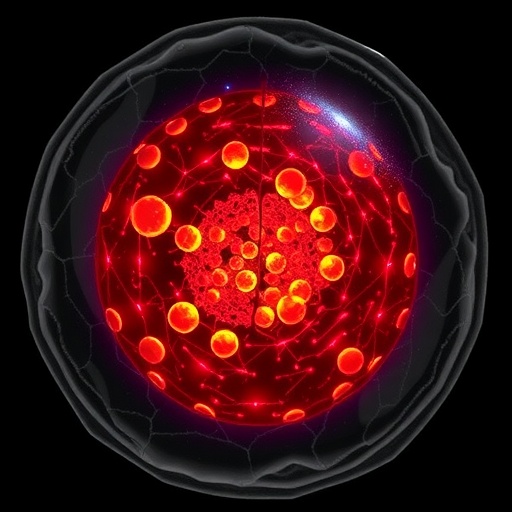
White fat is often portrayed as a passive storage depot, a biological warehouse where excess energy is packed away for later use. A new study published in Nature Communications challenges that simplified view, revealing that human white adipose tissue contains distinct adipocyte populations with different metabolic identities. Using single-nucleus sequencing, researchers have mapped cellular differences that may help explain why fat tissue can support healthy metabolism in some people but contribute to insulin resistance, inflammation and cardiometabolic disease in others.
The study, led by V. Efthymiou, A. Ghosh, S.D. Kodani and colleagues, focuses on adipocytes—the highly specialized cells responsible for storing and releasing energy in the form of lipids. Mature adipocytes are unusually large and fragile, making them difficult to analyze with conventional single-cell sequencing methods. Instead of isolating whole cells, the researchers examined nuclei extracted from human white adipose tissue. Each nucleus preserves a molecular record of the genes that are active inside its parent cell, allowing scientists to compare adipocyte states at high resolution.
This single-nucleus approach is particularly important because adipose tissue is not a uniform organ. It contains mature fat cells alongside immune cells, vascular cells, connective-tissue cells and precursor populations that can develop into new adipocytes. Traditional analyses often average molecular signals across these diverse cell types, potentially concealing important biological differences. By profiling nuclei individually, the researchers were able to distinguish adipocyte subsets that might otherwise appear identical under a microscope.
The resulting cellular map indicates that human white adipose tissue is composed of metabolically specialized adipocyte groups rather than a single, homogeneous population. These subsets exhibit distinct patterns of gene activity associated with processes such as lipid storage, fatty-acid mobilization, glucose handling, mitochondrial function and energy expenditure. In practical terms, two adipocytes located within the same tissue depot may respond very differently to nutrients, hormones or metabolic stress, depending on their molecular program.
Adipocyte metabolism is central to whole-body health. During periods of energy surplus, healthy fat cells can enlarge and store excess fatty acids in relatively safe compartments. When storage capacity is exceeded or poorly regulated, lipids may spill into organs such as the liver and skeletal muscle, where they can interfere with insulin signaling. The newly identified adipocyte diversity offers a possible explanation for why some fat depots remain metabolically flexible while others become dysfunctional. Differences between cellular subsets could influence how efficiently tissue stores fat, releases it during fasting and communicates with the rest of the body.
The findings also highlight the importance of studying human tissue directly. Much of what scientists know about adipocyte biology has come from animal models or cultured cells, both of which are valuable but cannot fully reproduce the complexity of human physiology. Human white adipose tissue is shaped by age, sex, diet, physical activity, genetics, hormonal status and previous metabolic disease. A single-nucleus atlas generated from human samples can therefore provide a more relevant framework for understanding obesity, type 2 diabetes and related disorders.
One of the most significant implications is the possibility that disease risk may depend not only on how much fat a person carries, but also on which adipocyte programs dominate within that fat. A tissue enriched in cells specialized for efficient lipid storage and metabolic responsiveness could behave very differently from one containing cells predisposed to stress, inflammation or impaired insulin action. This distinction may eventually help researchers move beyond body-mass index and other broad measurements toward molecular descriptions of adipose-tissue health.
The study may also influence the search for new treatments. If particular adipocyte subsets are linked to beneficial metabolic activity, future therapies could aim to expand, preserve or activate those populations. Conversely, disease-associated programs might become targets for drugs, nutritional interventions or lifestyle strategies. Such applications remain prospective: identifying cellular states is an essential first step, but scientists must still determine how stable these subsets are, how they change over time and whether they can be safely manipulated in patients.
Single-nucleus sequencing does not capture every aspect of adipocyte biology. Gene activity provides a powerful readout of cellular state, but it does not always reveal the complete protein landscape, the precise location of a cell within tissue or how cells behave dynamically in response to changing conditions. Further studies combining transcriptomic data with spatial mapping, epigenetic analysis, metabolic measurements and longitudinal clinical information will be needed to connect these molecular signatures with disease outcomes.
Even with those limitations, the work delivers a striking message: human fat is a cellular ecosystem, not a single metabolic entity. By exposing hidden adipocyte subsets and their distinct molecular profiles, Efthymiou, Ghosh, Kodani and their colleagues provide a more detailed view of how white adipose tissue operates. The study could help reshape the scientific conversation around obesity and metabolic disease, shifting attention from fat quantity alone to the biological quality and diversity of the cells that store it.
Subject of Research: Human white adipose tissue and adipocyte subsets with distinct metabolic profiles
Article Title: Single-nucleus analysis of human white adipose tissue reveals adipocyte subsets with distinct metabolic profiles
Article References: Efthymiou, V., Ghosh, A., Kodani, S.D. et al. Single-nucleus analysis of human white adipose tissue reveals adipocyte subsets with distinct metabolic profiles. Nature Communications (2026). https://doi.org/10.1038/s41467-026-75426-6
Image Credits: AI Generated
DOI: 10.1038/s41467-026-75426-6
Keywords: White adipose tissue, adipocytes, single-nucleus sequencing, metabolic profiles, obesity, insulin resistance, adipocyte heterogeneity, human tissue biology
Tags: adipocyte contribution to insulin resistanceadipocyte subpopulations and health implicationsadipose tissue cell type compositionadipose tissue heterogeneity and metabolic diseaseadvanced techniques in adipose tissue analysiscellular origins of healthy versus diseased adipose tissuehuman adipocyte metabolic profilesinflammation in white fat tissuemolecular characterization of fat-cell subsetsrole of immune and vascular cells in fat tissuesingle-nucleus sequencing of fat cellswhite adipose tissue cellular diversity