• HOME
  • NEWS
  • EXPLORE
    • CAREER
      • Companies
      • Jobs
    • EVENTS
    • iGEM
      • News
      • Team
    • PHOTOS
    • VIDEO
    • WIKI
  • BLOG
  • COMMUNITY
    • FACEBOOK
    • INSTAGRAM
    • TWITTER
Sunday, December 21, 2025
BIOENGINEER.ORG
No Result
View All Result
  • Login
  • HOME
  • NEWS
  • EXPLORE
    • CAREER
      • Companies
      • Jobs
        • Lecturer
        • PhD Studentship
        • Postdoc
        • Research Assistant
    • EVENTS
    • iGEM
      • News
      • Team
    • PHOTOS
    • VIDEO
    • WIKI
  • BLOG
  • COMMUNITY
    • FACEBOOK
    • INSTAGRAM
    • TWITTER
  • HOME
  • NEWS
  • EXPLORE
    • CAREER
      • Companies
      • Jobs
        • Lecturer
        • PhD Studentship
        • Postdoc
        • Research Assistant
    • EVENTS
    • iGEM
      • News
      • Team
    • PHOTOS
    • VIDEO
    • WIKI
  • BLOG
  • COMMUNITY
    • FACEBOOK
    • INSTAGRAM
    • TWITTER
No Result
View All Result
Bioengineer.org
No Result
View All Result
Home NEWS Science News

Shade-grown coffee could help save birds, if only people knew about it

Bioengineer by Bioengineer
March 2, 2021
in Science News
Reading Time: 2 mins read
0
IMAGE
Share on FacebookShare on TwitterShare on LinkedinShare on RedditShare on Telegram

Survey finds even birdwatchers are not aware of bird-friendly coffee benefits
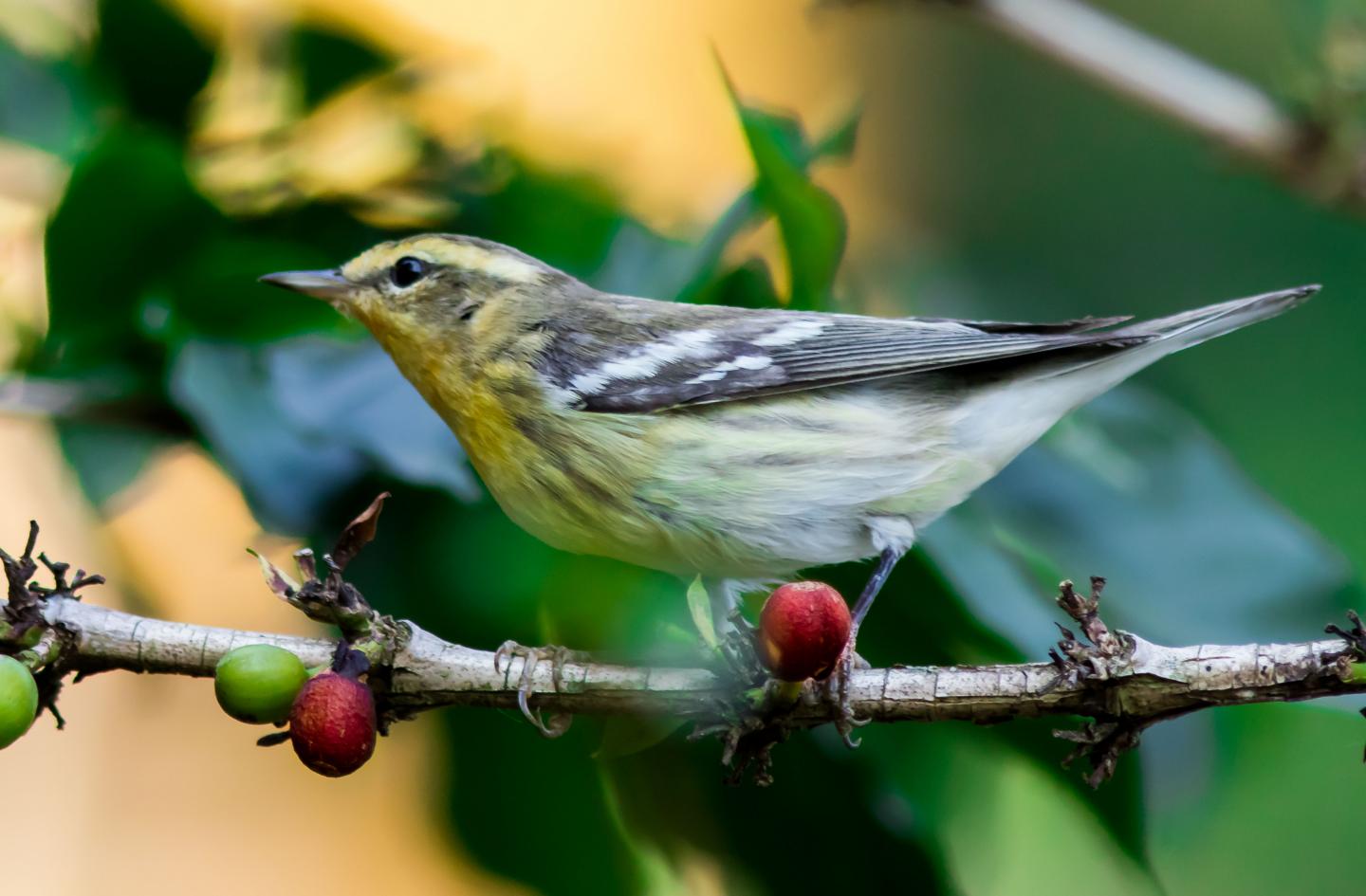
IMAGE

Credit: Guillermo Santos

Ithaca, NY–The message about the bird-conservation benefits of shade-grown coffee may not be getting through to the people most likely to respond–birdwatchers. A team of researchers from the Cornell Lab of Ornithology and Virginia Tech surveyed birdwatchers to learn if they drank shade-grown coffee and, if not, why not. Their findings were published today in the journal People and Nature.

“One of the most significant constraints to purchasing bird-friendly coffee among those surveyed was a lack of awareness,” said Alicia Williams, lead author and former research assistant at the Cornell Lab and Virginia Tech. “I was surprised to see that only 9 percent of those surveyed purchased bird-friendly certified coffee and less than 40 percent were familiar with it.”

Bird-friendly coffee is shade-grown, meaning that it is grown and harvested under the canopy of mature trees, a process that parallels how coffee was historically grown. But with most farms converting to full-sun operations, crucial habitats for migrating and resident bird species are being lost. Loss of habitat is a key factor in the overall decline of many bird species.

“Over recent decades, most of the shade coffee in Latin America has been converted to intensively managed row monocultures devoid of trees or other vegetation,” explained Amanda Rodewald, the Garvin Professor and senior director of the Center for Avian Population Studies at the Cornell Lab. “As a result, many birds cannot find suitable habitats and are left with poor prospects of surviving migration and successfully breeding.”

According to the survey, there’s confusion about what certifications exist, where to buy bird-friendly coffee, and how coffee production impacts bird habitat.

“We know birdwatchers benefit from having healthy, diverse populations of birds, and they tend to be conservation-minded folks,” explained Assistant Professor Ashley Dayer of Virginia Tech’s Department of Fish and Wildlife Conservation. “We need to mobilize the estimated 45 million U.S. bird enthusiasts to help limit bird population declines. One way to do that is to encourage birdwatchers to seek out and purchase bird-friendly coffee, in stores and online.”

Increasing awareness about shade-grown coffee and its potential impact on bird populations may include more and better advertising, more availability of the product, and collaborations between conservation organizations and coffee distributors.

###

Media Contact
Pat Leonard
[email protected]

Original Source

https://mailchi.mp/cornell/release-survey-reveals-the-bird-friendly-coffee-message-is-not-getting-through-1320155?e=f0b505020c

Related Journal Article

http://dx.doi.org/10.1002/pan3.10191

Tags: Agricultural Production/EconomicsEarth ScienceEcology/Environment
Share12Tweet8Share2ShareShareShare2

Related Posts

Exploring Gastric Healing: Pistacia Lentiscus Leaf Extract

Exploring Gastric Healing: Pistacia Lentiscus Leaf Extract

December 21, 2025

BAF155 Drives Brain Myelination, Autism Behaviors in Mice

December 21, 2025

TMEM120A Regulates Fat Lipids via ER CoA Channel

December 21, 2025

Hidden Deforestation from Global Mining in 21st Century

December 21, 2025
Please login to join discussion

POPULAR NEWS

  • Nurses’ Views on Online Learning: Effects on Performance

    Nurses’ Views on Online Learning: Effects on Performance

    70 shares
    Share 28 Tweet 18
  • NSF funds machine-learning research at UNO and UNL to study energy requirements of walking in older adults

    71 shares
    Share 28 Tweet 18
  • Unraveling Levofloxacin’s Impact on Brain Function

    53 shares
    Share 21 Tweet 13
  • Exploring Audiology Accessibility in Johannesburg, South Africa

    51 shares
    Share 20 Tweet 13

About

We bring you the latest biotechnology news from best research centers and universities around the world. Check our website.

Follow us

Recent News

Exploring Gastric Healing: Pistacia Lentiscus Leaf Extract

BAF155 Drives Brain Myelination, Autism Behaviors in Mice

TMEM120A Regulates Fat Lipids via ER CoA Channel

Subscribe to Blog via Email

Enter your email address to subscribe to this blog and receive notifications of new posts by email.

Join 70 other subscribers
  • Contact Us

Bioengineer.org © Copyright 2023 All Rights Reserved.

Welcome Back!

Login to your account below

Forgotten Password?

Retrieve your password

Please enter your username or email address to reset your password.

Log In
No Result
View All Result
  • Homepages
    • Home Page 1
    • Home Page 2
  • News
  • National
  • Business
  • Health
  • Lifestyle
  • Science

Bioengineer.org © Copyright 2023 All Rights Reserved.