


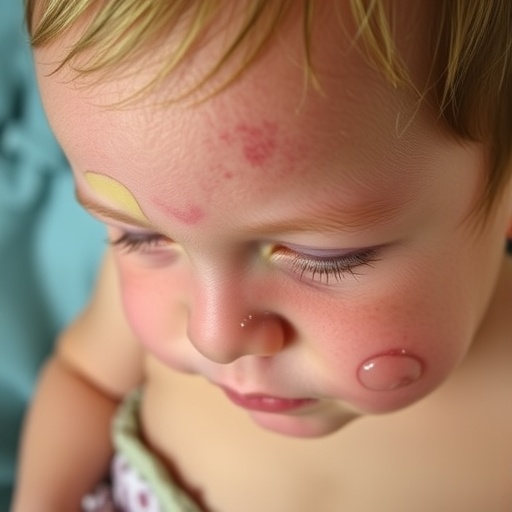
Scrub typhus, a disease caused by the bacterium Orientia tsutsugamushi, poses a significant health threat, particularly among pediatric populations in endemic areas. Recent studies highlight the gravity of this infectious disease which can lead to severe complications, especially in children. A newly documented case sheds light on the complex nature of scrub typhus and emphasizes the necessity for increased awareness and targeted interventions among healthcare providers tasked with the care of affected children.
In this particular instance, researchers Wu, Zhang, and Wu take an in-depth look at a case involving severe scrub typhus in a young patient. The study not only chronicles the patient’s clinical course but also reviews existing literature to better understand the complications that can arise from this disease. Scrub typhus is often misdiagnosed or overlooked, leading to delays in treatment, which can sometimes prove fatal. The alarming rates of misdiagnosis are a call to action for clinicians, who must remain vigilant and informed about the manifestations of scrub typhus in pediatric populations.
The manifestations of scrub typhus can be quite varied, often beginning with nonspecific symptoms such as fever, headache, and myalgia. What makes this disease particularly insidious is its potential for rapid progression to severe illness, including respiratory distress and multi-organ failure. The patient in the reported case presented with alarming signs that required immediate medical intervention, highlighting the unpredictable nature of this infection. Detailed case analysis reveals that early recognition of these symptoms is crucial for improving patient outcomes.
Complications from scrub typhus can include acute respiratory distress syndrome (ARDS), septic shock, and even central nervous system involvement. These complications necessitate not only immediate medical attention but often intensive care management. The authors pointed out that the severe clinical presentation of scrub typhus can often mimic other serious conditions such as viral hemorrhagic fevers, thus complicating initial diagnoses. This overlap of clinical symptoms underscores the importance of accurate differential diagnosis in suspected cases.
Given that scrub typhus is endemic to certain regions, particularly in rural and forested areas of Asia, awareness among health professionals in such locations is critical. Preventative measures are essential to limit exposure to the vectors that transmit the disease—primarily infected chiggers. Moreover, public health education campaigns can play a pivotal role in enhancing community understanding of the disease, its transmission dynamics, and the importance of seeking medical care promptly when symptoms emerge.
Antibiotic therapy is the cornerstone of treatment for scrub typhus, with doxycycline being the most commonly recommended first-line agent. However, the timely administration of antibiotics directly correlates with patient recovery rates, emphasizing the need for swift clinical action upon suspicion of the disease. In their literature review, Wu and colleagues note that delays in treatment can result in prolonged hospital stays, increased healthcare costs, and a greater risk of subsequent complications.
Moreover, the recently documented case attests to the importance of a multidisciplinary approach in managing severe cases of scrub typhus. Collaboration among pediatricians, infectious disease specialists, and intensive care providers can enhance clinical decision-making and lead to improved outcomes. Each member of the healthcare team plays a unique role in the recognition, management, and follow-up of pediatric scrub typhus patients.
Given the complexities involved in scrub typhus management, research into its pathophysiology continues to be of utmost importance. Understanding how the bacteria interact with the host immune system can pave the way for the development of vaccines and novel therapeutic strategies. Continuous research efforts are necessary to unravel the intricacies of scrub typhus and to explore potential avenues for prevention and treatment.
The findings from this case report serve as an urgent reminder of the ongoing challenges posed by scrub typhus in pediatric medicine. Future studies will need to focus not only on individual cases but also on larger epidemiological trends to inform public health strategies. The integration of advanced diagnostic technologies and improved surveillance systems is also suggested to better track and manage outbreaks, particularly in vulnerable communities.
In conclusion, scrub typhus represents a significant health concern in the pediatric population, characterized by its potential for severe complications and case fatalities. The insights gained from Wu, Zhang, and Wu’s case report contribute valuable knowledge to the existing body of literature and foster a proactive stance among healthcare practitioners. As the healthcare landscape evolves, constant vigilance, education, and research must remain at the forefront in combating this preventable yet perilous disease.
The urgency of addressing scrub typhus issues cannot be overstated. Enhanced awareness among healthcare providers regarding the disease’s manifestations, collaborative care approaches, and ongoing research efforts are essential to mitigate the risks posed by this infection. With a unified commitment to proactive measures, healthcare systems can significantly reduce the burden of scrub typhus in at-risk pediatric populations.
In summary, scrub typhus poses a complex clinical challenge that requires immediate and coordinated action. The implications of delayed diagnosis and treatment can be severe, particularly in children. As healthcare providers strive to improve patient care, the importance of ongoing education, research, and community awareness cannot be overlooked. The need for swift action, informed clinical practice, and dedicated research efforts remains imperative as we continue to fight against scrub typhus and its ramifications on public health.
With the ongoing threat of scrub typhus reminding us of its presence, the collective responsibility to foster awareness, expand clinical knowledge, and drive research innovation must be prioritized. Ensuring that clinicians are equipped with the latest information regarding scrub typhus is crucial for protecting vulnerable populations, especially children, from the potentially devastating consequences of this infectious disease.
Subject of Research: Severe paediatric scrub typhus with complications
Article Title: Severe paediatric scrub typhus with complications: a case report and literature review
Article References: Wu, X., Zhang, H., Wu, M. et al. Severe paediatric scrub typhus with complications: a case report and literature review. BMC Pediatr (2025). https://doi.org/10.1186/s12887-025-06435-5
Image Credits: AI Generated
DOI: 10.1186/s12887-025-06435-5
Keywords: scrub typhus, pediatric health, infectious disease, complications, epidemiology, public health, case report
Tags: awareness of scrub typhus symptomsclinical management of scrub typhuscomplications of scrub typhus in childrenendemic areas of scrub typhushealthcare provider education on scrub typhusOrientia tsutsugamushi infectionpediatric infectious diseasesrapid progression of infectious diseasesscrub typhus case studyscrub typhus misdiagnosisSevere pediatric scrub typhustargeted interventions for pediatric patients



