Researchers at Selçuk University have unveiled compelling new findings that highlight the potential protective role of selenium, an essential micronutrient, against male reproductive damage induced by the chemotherapy agent cisplatin. This discovery could pave the way for innovative adjunct therapies aimed at mitigating one of the severe side effects associated with cancer treatment—reproductive toxicity. Published in the journal Reproductive and Developmental Medicine, the study elaborates on the intricate biochemical interplay between oxidative stress and testicular function, positioning selenium as a promising antioxidant intervention.
Cisplatin is a platinum-based chemotherapeutic widely utilized in the treatment of various malignancies, including testicular, bladder, and ovarian cancers. Despite its efficacy in combating rapidly dividing cancer cells, cisplatin’s mechanism is indiscriminately cytotoxic, resulting in collateral damage to non-cancerous tissues. The testes are particularly susceptible to such damage due to their high rate of cell division and sensitivity to oxidative insults. The production of reactive oxygen species (ROS), a byproduct of cisplatin treatment, leads to oxidative stress—a condition that overwhelms the endogenous antioxidant defenses and triggers lipid peroxidation, DNA damage, and apoptosis within testicular tissue.
To explore selenium’s protective capacity, the researchers designed an experimental study using a well-structured animal model. Thirty-eight male rats were methodically assigned into four distinct groups: a control cohort, a selenium-only group, a cisplatin-only group, and a group treated with both cisplatin and selenium. Selenium was administered to investigate its known antioxidant properties, specifically its role in scavenging ROS and bolstering the activity of antioxidant enzymes such as glutathione peroxidase and superoxide dismutase (SOD), which are crucial for maintaining redox homeostasis within cells.
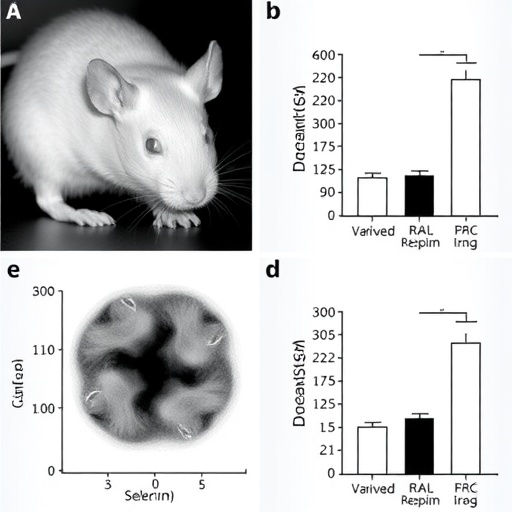
Subsequent analyses focused on multiple biomarkers indicative of oxidative stress and reproductive health. These included the measurement of malondialdehyde (MDA) levels, a reliable marker for lipid peroxidation; SOD activity to assess antioxidant enzymatic function; total antioxidant status (TAS); and total oxidant status (TOS). Investigators also evaluated physiological parameters such as testicular weight and serum testosterone levels, providing a comprehensive overview of both structural and functional outcomes following treatment.
The data revealed that rats exposed solely to cisplatin experienced a substantial decline in testicular weight alongside a concomitant reduction in testosterone levels. These changes reflect significant testicular atrophy and impaired Leydig cell function, integral to hormone synthesis. Moreover, oxidative stress markers were markedly elevated in cisplatin-treated rats, confirming the drug’s pro-oxidant effects. Increased MDA and TOS levels alongside suppressed SOD and TAS values evidenced an imbalance skewed toward oxidative damage.
Conversely, administration of selenium in conjunction with cisplatin markedly mitigated these deleterious effects. The selenium-treated group showed improved antioxidant profiles with reduced lipid peroxidation and enhanced enzymatic defense. Importantly, testosterone levels were partially restored, and testicular weight reduction was less pronounced than in the cisplatin-only group. These findings strongly suggest that selenium supplementation confers cytoprotective effects within testicular tissue, potentially preserving reproductive capacity during chemotherapy.
In discussing the underlying mechanisms, the authors highlight selenium’s integral role in the biosynthesis of selenoproteins, many of which have antioxidant functions. By enhancing the activity of glutathione peroxidase and other selenoenzymes, selenium fortifies cellular defenses against ROS-induced damage. This enzymatic activity curtails oxidative stress, preserving cellular integrity and functionality within the testes. Hence, selenium’s antioxidant action directly counters the oxidative molecules precipitated by cisplatin, stabilizing the redox environment.
Dr. Gulsum Abusoglu, the study’s lead author, emphasized that “selenium supplementation reduced testicular damage and facilitated partial recovery of testosterone production compromised by cisplatin, hinting at its potential as a protective agent for male reproductive health during chemotherapy regimens.” This insight aligns with a growing body of literature advocating for antioxidant adjuncts to reduce chemotherapy-related systemic toxicities.
Co-author Dr. Melek Altunkaya underscores the clinical implications of these findings by noting that “oxidative stress is a central mediator driving chemotherapy-induced testicular dysfunction; thus, antioxidants like selenium may serve as viable candidates to preserve fertility and hormonal balance in male cancer patients.” The study’s translational relevance is especially pertinent given the increasing survivorship rates and the importance of quality-of-life considerations in oncologic care.
However, the researchers prudently caution that the experimental design was confined to a rodent model and involved a single selenium dosing regimen. Whether these results translate to human physiology remains uncertain, necessitating further clinical trials to evaluate optimal dosing, safety profiles, and long-term outcomes. This careful approach underscores the complexity of integrating micronutrient supplementation within standardized cancer therapies.
Beyond its specific focus on selenium and cisplatin, the study contributes to the broader understanding of oxidative stress’s impact on male fertility and the therapeutic potential of antioxidants. It invites deeper investigations into how targeted antioxidant therapies can alleviate side effects not only in the gonads but in other vulnerable organ systems affected by chemotherapy.
In conclusion, the research conducted at Selçuk University elucidates the protective effects of selenium against cisplatin-induced testicular toxicity, revealing a promising avenue toward preserving male reproductive health during cancer treatment. While the findings are preliminary and preclinical, they offer a vital foundation for future research aimed at integrating antioxidant strategies to mitigate the collateral damage of life-saving chemotherapeutic interventions.
Subject of Research: Effects of selenium on reproductive function and oxidative stress in male rats with cisplatin-induced testicular damage
Article Title: Effect of selenium on reproductive function and oxidative stress in male rats with cisplatin-induced testicular damage
News Publication Date: 1-Mar-2025
Web References:
DOI: 10.1097/RD9.0000000000000135
Image Credits: Gulsum Abusoglu, Melek Altunkaya, and Bahadir Ozturk
Keywords: Oxidative stress, cisplatin, selenium, antioxidants, testicular toxicity, male fertility, reactive oxygen species, chemotherapy side effects, malondialdehyde, superoxide dismutase, total antioxidant status, total oxidant status
Tags: adjunct therapies for chemotherapy-induced infertilityanimal models for reproductive toxicityapoptosis in male reproductive cellschemotherapy side effects on male fertilitycisplatin-induced testicular toxicitylipid peroxidation in testicular tissueoxidative stress in chemotherapyprotective micronutrients against reproductive damagereactive oxygen species and fertilityselenium antioxidant effects on male reproductionselenium supplementation in cancer treatmenttesticular oxidative damage prevention