• HOME
  • NEWS
  • EXPLORE
    • CAREER
      • Companies
      • Jobs
    • EVENTS
    • iGEM
      • News
      • Team
    • PHOTOS
    • VIDEO
    • WIKI
  • BLOG
  • COMMUNITY
    • FACEBOOK
    • INSTAGRAM
    • TWITTER
Thursday, August 20, 2026
BIOENGINEER.ORG
No Result
View All Result
  • Login
  • HOME
  • NEWS
  • EXPLORE
    • CAREER
      • Companies
      • Jobs
        • Lecturer
        • PhD Studentship
        • Postdoc
        • Research Assistant
    • EVENTS
    • iGEM
      • News
      • Team
    • PHOTOS
    • VIDEO
    • WIKI
  • BLOG
  • COMMUNITY
    • FACEBOOK
    • INSTAGRAM
    • TWITTER
  • HOME
  • NEWS
  • EXPLORE
    • CAREER
      • Companies
      • Jobs
        • Lecturer
        • PhD Studentship
        • Postdoc
        • Research Assistant
    • EVENTS
    • iGEM
      • News
      • Team
    • PHOTOS
    • VIDEO
    • WIKI
  • BLOG
  • COMMUNITY
    • FACEBOOK
    • INSTAGRAM
    • TWITTER
No Result
View All Result
Bioengineer.org
No Result
View All Result
Home Headlines

Scientists surprised to discover lymphatic ‘scavenger’…

Bioengineer.org by Bioengineer.org
January 23, 2018
in Headlines, Health, Science News
Reading Time: 2 mins read
0
Share on FacebookShare on TwitterShare on LinkedinShare on RedditShare on Telegram
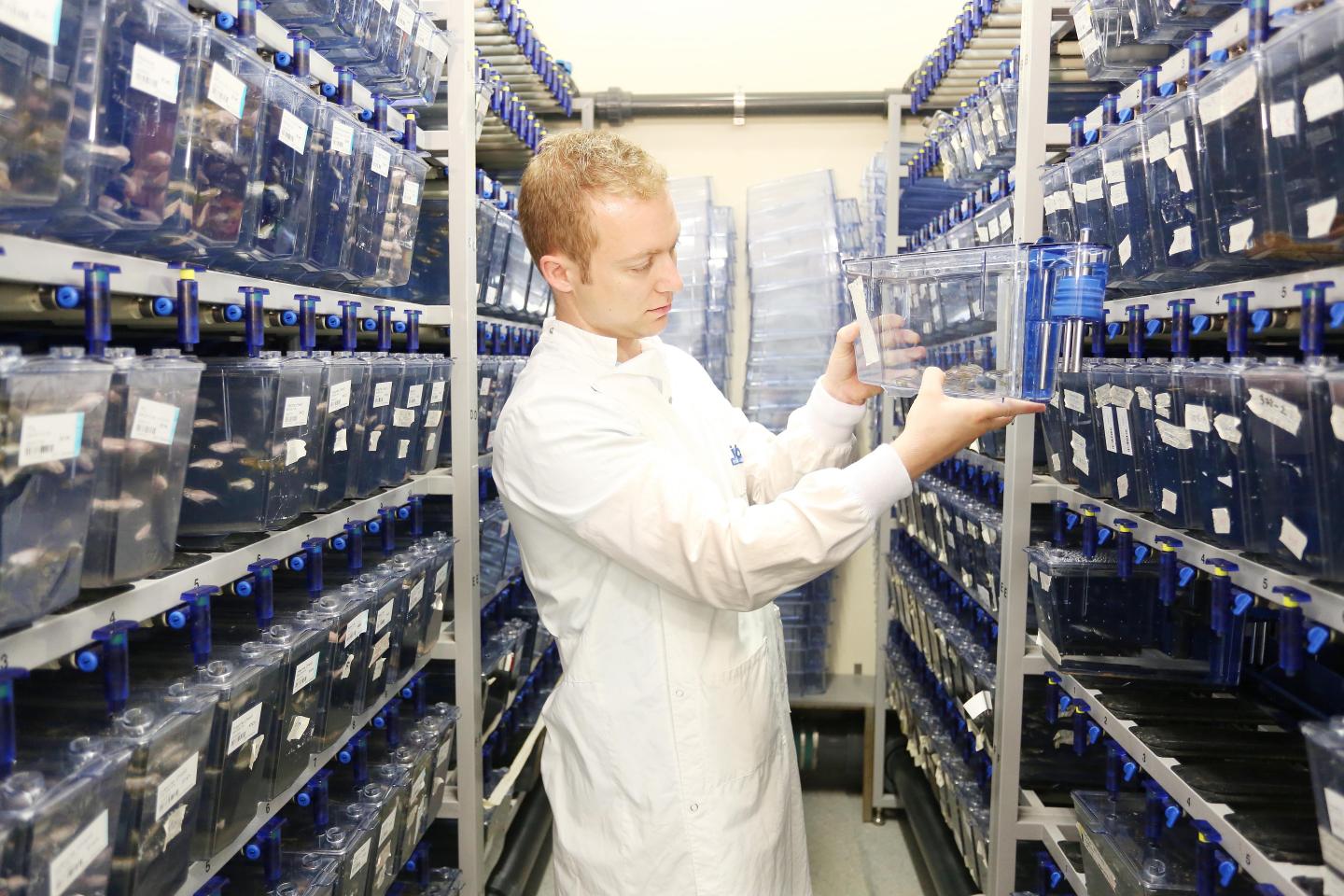
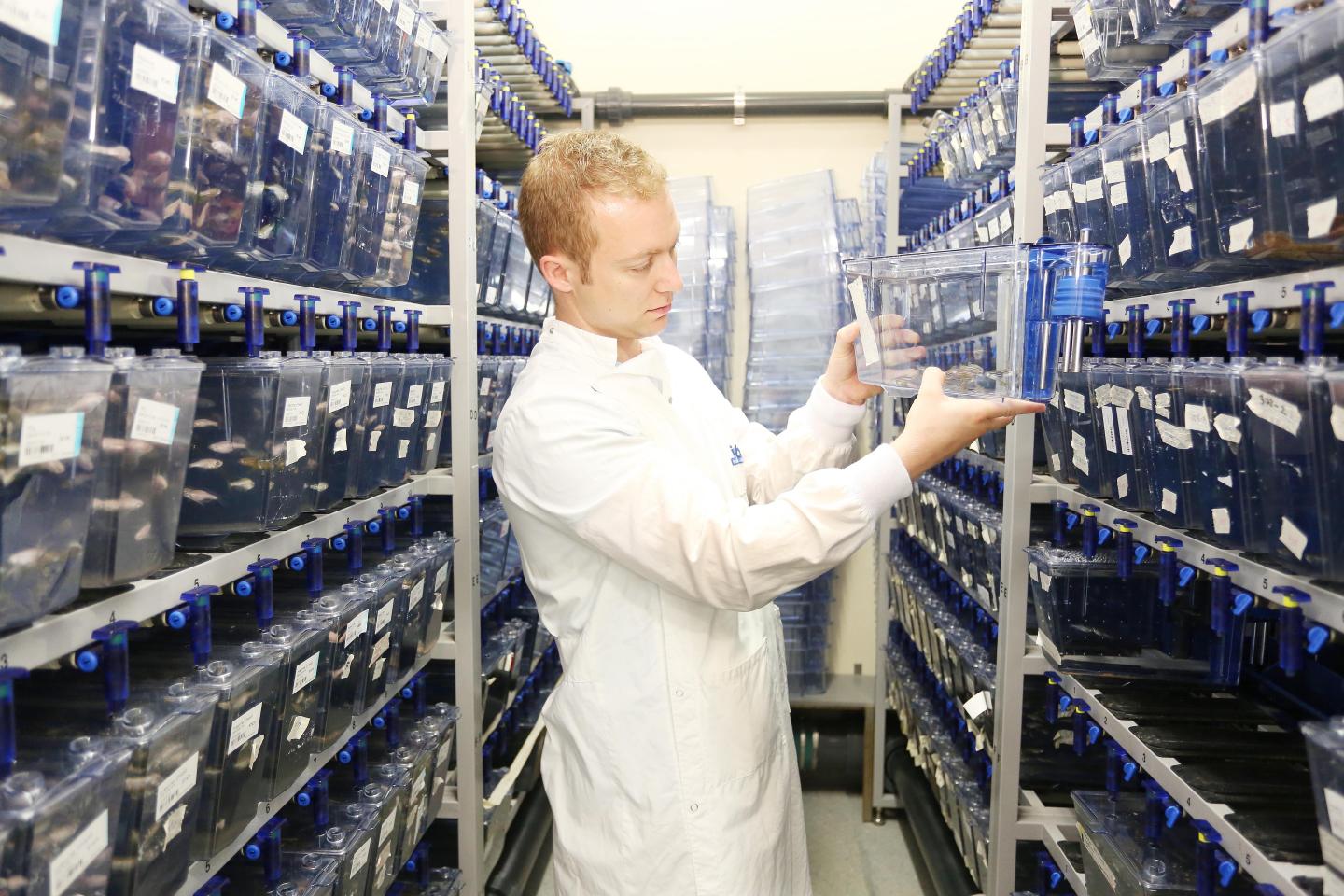
IMAGE

Credit: UQ's Institute for Molecular Bioscience

The brain has its own inbuilt processes for mopping up damaging cellular waste — and these processes may provide protection from stroke and dementia.

University of Queensland scientists discovered a new type of lymphatic brain "scavenger" cell by studying tropical freshwater zebrafish — which share many of the same cell types and organs as humans.

Lead researcher Associate Professor Ben Hogan from UQ's Institute for Molecular Bioscience said the fundamental discovery would help scientists understand how the brain forms and functions.

"It is rare to discover a cell type in the brain that we didn't know about previously, and particularly a cell type that we didn't expect to be there," he said.

"The brain is the only organ without a known lymphatic system, so the fact that these cells are lymphatic in nature and surround the brain makes this finding quite a surprise.

"These cells appear to be the zebrafish version of cells described in humans called "mato" or lipid laden cells, which clear fats and lipids from the system but were not known to be lymphatic in nature.

"When wastes such as excess fats leak out of the bloodstream, it is the job of the lymphatic system to clean them out to avoid damaging our organs."

Dr Hogan said the study focused on the presence and development of "scavenger" cells in zebrafish, however there was good reason to believe that equivalent cells surrounded and protected the human brain from a build-up of cellular waste.

"Zebrafish are naturally transparent, which means we can use advanced light microscopes to see directly into the zebrafish brain," Dr Hogan said.

"Examining the zebrafish brain up close allowed us to find these cells and see how they form and function in detail.

"Normally, lymphatic endothelial cells will group together to form lymphatic vessels to carry fluid, but impressively, in the adult zebrafish brain these cells exist individually, independent of vessels and collect waste that enter the brain from the bloodstream.

"Our focus now is to investigate how these cells function in humans and see if we can control them with existing drugs to promote brain health, and improve our understanding of neurological diseases such as stroke and dementia."

###

The study was published today in Nature Neuroscience (DOI: 10.1038/nn.4558) and involved researchers from UQ's Institute for Molecular Bioscience, The University of Melbourne, Monash University and Japan's National Cerebral and Cardiovascular Centre.

The National Health and Medical Research Council and UQ funded the research.

Media: Gemma Ward, IMB Communications, 07 3346 2155, 0439 651 107, [email protected]

Media Contact

Gemma Ward
[email protected]
61-439-651-107
@uq_news

http://www.uq.edu.au

Related Journal Article

http://dx.doi.org/10.1038/nn.4558

Share13Tweet8Share2ShareShareShare2

Related Posts

Scoping review suggests wildfires often leave drinking water contaminated with arsenic

Scoping review suggests wildfires often leave drinking water contaminated with arsenic

August 20, 2026

Excess RNA May Drain Cells’ Energy, Study Finds

August 20, 2026

AI Creates a Map of Human Emotions at Scientists’ Request

August 20, 2026

AI tool may help heart attack survivors receive personalized care, experts say

August 20, 2026
Please login to join discussion

POPULAR NEWS

  • Scoping review suggests wildfires often leave drinking water contaminated with arsenic

    29 shares
    Share 12 Tweet 7
  • Excess RNA May Drain Cells’ Energy, Study Finds

    29 shares
    Share 12 Tweet 7
  • AI Creates a Map of Human Emotions at Scientists’ Request

    29 shares
    Share 12 Tweet 7
  • AI tool may help heart attack survivors receive personalized care, experts say

    29 shares
    Share 12 Tweet 7

About

We bring you the latest biotechnology news from best research centers and universities around the world. Check our website.

Follow us

Recent News

Scoping review suggests wildfires often leave drinking water contaminated with arsenic

Excess RNA May Drain Cells’ Energy, Study Finds

AI Creates a Map of Human Emotions at Scientists’ Request

Subscribe to Blog via Email

Enter your email address to subscribe to this blog and receive notifications of new posts by email.

Join 85 other subscribers
  • Contact Us

Bioengineer.org © Copyright 2023 All Rights Reserved.

Welcome Back!

Login to your account below

Forgotten Password?

Retrieve your password

Please enter your username or email address to reset your password.

Log In
No Result
View All Result
  • Homepages
    • Home Page 1
    • Home Page 2
  • News
  • National
  • Business
  • Health
  • Lifestyle
  • Science

Bioengineer.org © Copyright 2023 All Rights Reserved.