• HOME
  • NEWS
  • EXPLORE
    • CAREER
      • Companies
      • Jobs
    • EVENTS
    • iGEM
      • News
      • Team
    • PHOTOS
    • VIDEO
    • WIKI
  • BLOG
  • COMMUNITY
    • FACEBOOK
    • INSTAGRAM
    • TWITTER
Sunday, October 4, 2026
BIOENGINEER.ORG
No Result
View All Result
  • Login
  • HOME
  • NEWS
  • EXPLORE
    • CAREER
      • Companies
      • Jobs
        • Lecturer
        • PhD Studentship
        • Postdoc
        • Research Assistant
    • EVENTS
    • iGEM
      • News
      • Team
    • PHOTOS
    • VIDEO
    • WIKI
  • BLOG
  • COMMUNITY
    • FACEBOOK
    • INSTAGRAM
    • TWITTER
No Result
View All Result
Bioengineer.org
No Result
View All Result
Home NEWS Science News Health

Scientists discover why heart function is reduced at high altitude

Bioengineer by Bioengineer
May 29, 2018
in Health
Reading Time: 2 mins read
0
Share on FacebookShare on TwitterShare on LinkedinShare on RedditShare on Telegram
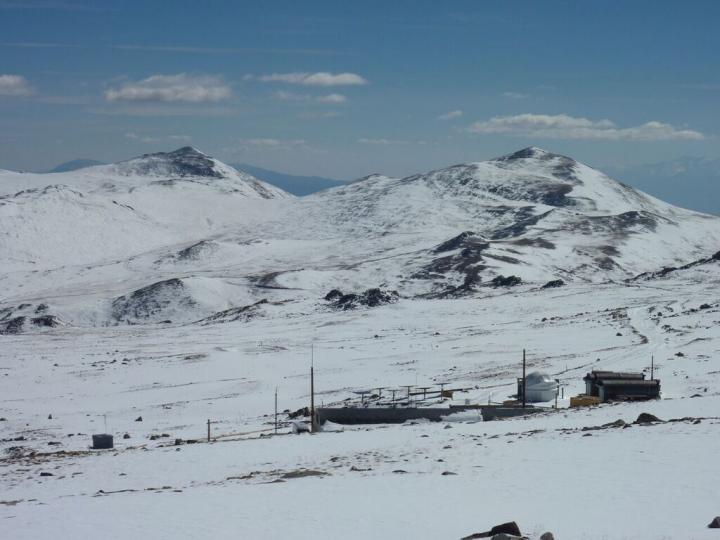
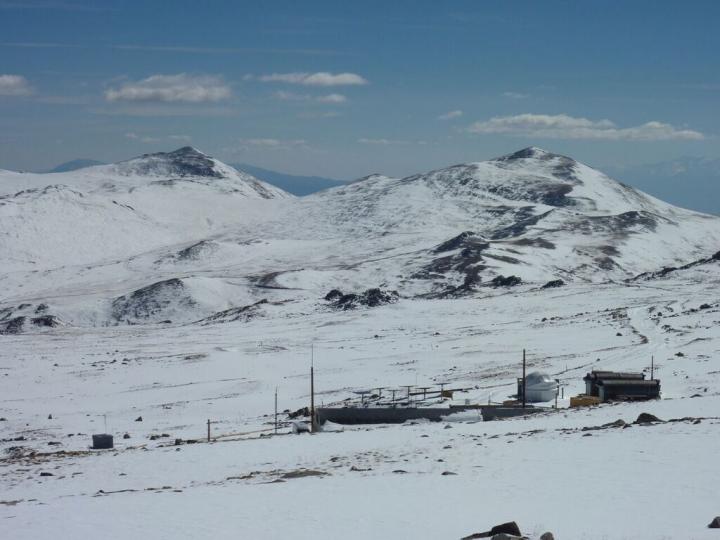
IMAGE

Credit: Dr. Daniela Flueck, University of British Columbia Okanagan

For over a century, we have known that high altitude reduces the amount of blood the heart pumps around the body with each beat. New research published in The Journal of Physiology has unearthed why this is the case and the findings will be important for people who live, travel and exercise at high altitudes.

Over the years, several theories have been proposed to explain the reduction in the amount of blood the heart can pump; this was even of interest to the scientists involved in the first summit of Mt Everest in the 1950's. It has now been shown that this is because at high altitudes (over 3000 m), the lower amount of oxygen in the air leads to (1) a decrease in the volume of blood circulating around the body, and (2) an increase in blood pressure in the lungs. The researchers found that both of these factors play a role in the reduction in the volume of blood the heart can pump with each beat, but importantly neither of these factors affects our ability to perform maximal exercise.

This research is important because it improves our understanding of how the human body adapts to high altitude areas. This will help us make exploration and tourism of Earth's mountainous regions safer, and may also help facilitate exercise performance in a wide range of sporting events that take place at high altitude.

The research conducted by Cardiff Metropolitan University, in conjunction with the University of British Columbia Okanagan and Loma Linda University School of Medicine, involved collecting data on how the heart and pulmonary blood vessels adapt to life with less oxygen. The researchers and participants conducted the study during two weeks at a remote research facility called The Barcroft Laboratory on White Mountain, California.

It is important to note that the sample size of this study was small and the effects of these mechanisms were only compared in individuals of European descent. Furthermore, echocardiography was used to assess cardiac and pulmonary vascular function which is non-invasive and indirect.

Michael Stembridge, the chief investigator on the project commented on future research plans: "Currently, a number of the research team are ready to depart for an expedition that will focus on high altitude natives who live and work in the industrial mines of the Andean mountains. Unfortunately, a third of these individuals experience long-term ill health due to their residence at high altitude, a condition termed 'Chronic Mountain Sickness'. We hope to apply the findings of this work to help improve the health and well-being of these populations by furthering our understanding of the condition and exploring therapeutic targets".

###

Media Contact

Andrew Mackenzie
[email protected]
020-726-95728
@ThePhySoc

Homepage

Related Journal Article

http://dx.doi.org/10.1113/JP275278

Share14Tweet8Share2ShareShareShare2

Related Posts

Forskolin Extract Boosts Gut Hormone GLP-1 and Strengthens Intestinal Barrier in Cell Study

Forskolin Extract Boosts Gut Hormone GLP-1 and Strengthens Intestinal Barrier in Cell Study

October 4, 2026
Empathy, Not Mood, Drives Helping in Autistic Children, Study Finds

Empathy, Not Mood, Drives Helping in Autistic Children, Study Finds

October 4, 2026

Nose-to-Brain Protein Delivery Shows Promise for Protecting Dopamine Neurons in Parkinson’s Models

October 4, 2026

Doctors Reveal Why Opioid Care Fails Indigenous Patients in Canada

October 4, 2026
Please login to join discussion

POPULAR NEWS

  • Alloys That Shrink Their Own Grains: New PIX Mechanism Refines Metals With Heat Alone

    Alloys That Shrink Their Own Grains: New PIX Mechanism Refines Metals With Heat Alone

    29 shares
    Share 12 Tweet 7
  • Endurance Exercise Reshapes the Liver in Males and Females Through Distinct Molecular Routes

    29 shares
    Share 12 Tweet 7
  • Single Transcription Factor PU.1 Rapidly Converts Fibroblasts into Macrophage-Lineage Cells

    29 shares
    Share 12 Tweet 7
  • New Scale Measures How Ready Nurse Educators Really Are for the AI Era

    29 shares
    Share 12 Tweet 7

About

We bring you the latest biotechnology news from best research centers and universities around the world. Check our website.

Follow us

Recent News

Alloys That Shrink Their Own Grains: New PIX Mechanism Refines Metals With Heat Alone

Endurance Exercise Reshapes the Liver in Males and Females Through Distinct Molecular Routes

Single Transcription Factor PU.1 Rapidly Converts Fibroblasts into Macrophage-Lineage Cells

Subscribe to Blog via Email

Success! An email was just sent to confirm your subscription. Please find the email now and click 'Confirm' to start subscribing.

Join 85 other subscribers
  • Contact Us

Bioengineer.org © Copyright 2023 All Rights Reserved.

Welcome Back!

Login to your account below

Forgotten Password?

Retrieve your password

Please enter your username or email address to reset your password.

Log In
No Result
View All Result
  • Homepages
    • Home Page 1
    • Home Page 2
  • News
  • National
  • Business
  • Health
  • Lifestyle
  • Science

Bioengineer.org © Copyright 2023 All Rights Reserved.