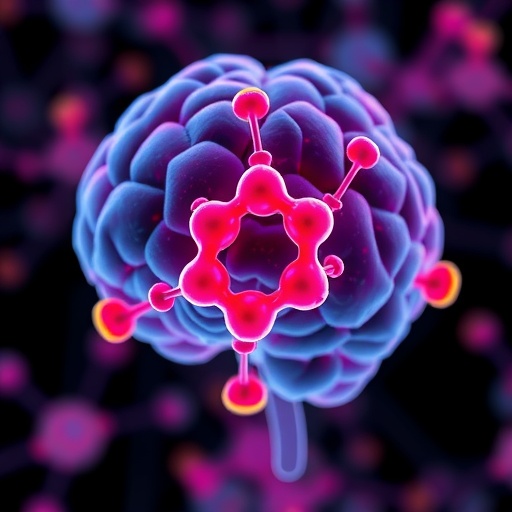
Chronic inflammation represents one of the most perplexing and enduring challenges in modern medicine, persisting for months or even years as the immune system remains locked in a prolonged state of defense and repair. Unlike acute inflammation, which acts swiftly and resolves as the body heals from injury or infection, chronic inflammation can silently erode health over time. It underpins a vast spectrum of debilitating diseases, including arthritis, cancer, and a variety of autoimmune disorders, each exacting significant physical, social, and economic tolls worldwide. Recently, a groundbreaking study conducted by researchers at Mass General Brigham has illuminated a pivotal molecular mechanism governing chronic inflammation, identifying a promising molecular target that may enable therapies to selectively curb chronic inflammatory responses without compromising the body’s ability to fight acute infections.
In the study published in the prestigious journal Nature, the investigators focus on a protein named WSTF (Williams syndrome transcription factor), unveiling its central role in modulating immune responses within cell nuclei. The research delineates how WSTF’s fate—specifically, its regulated removal from the nucleus through autophagic pathways—controls the expression of key pro-inflammatory genes. Their findings represent a significant leap toward therapeutic precision, as WSTF manipulation appears to specifically influence chronic, but not acute, inflammation. This discovery offers a beacon of hope for millions affected by long-term inflammatory diseases, potentially revolutionizing how we approach treatment for conditions traditionally managed by broadly immunosuppressive drugs.
At the core of this study lies a sophisticated understanding of nuclear autophagy, a process by which damaged or superfluous nuclear proteins and chromatin components are selectively degraded to maintain cellular homeostasis. The researchers elucidate that WSTF normally functions to repress pro-inflammatory gene loci inside the nucleus, effectively concealing these genes from being activated unnecessarily. However, during chronic inflammatory states, WSTF is actively dispatched from the nucleus and degraded, a process the team terms “WSTF nuclear autophagy.” This loss of WSTF removes the repression on pro-inflammatory genes, allowing their persistent activation and thus fueling ongoing inflammation.
.adsslot_EVn9egfCpY{ width:728px !important; height:90px !important; }
@media (max-width:1199px) { .adsslot_EVn9egfCpY{ width:468px !important; height:60px !important; } }
@media (max-width:767px) { .adsslot_EVn9egfCpY{ width:320px !important; height:50px !important; } }
ADVERTISEMENT
To dissect this mechanism, the researchers employed a combination of chronically inflamed human cell models, genetic mouse models simulating aging and cancer-associated inflammation, and analysis of tissue samples from patients suffering from metabolic dysfunction-associated steatohepatitis (MASH) and osteoarthritis. Their multi-pronged approach enabled them to confirm that WSTF eviction and degradation is a hallmark exclusive to chronic inflammatory conditions. Notably, acute inflammation models showed no such WSTF loss, highlighting the protein’s exquisite specificity. This distinction sets the stage for developing therapeutics that can restore WSTF levels or function, thereby dampening chronic inflammation without disrupting the body’s essential acute immune defenses.
One of the most compelling aspects of the study is the experimental validation of a WSTF-restoring therapeutic approach. By artificially reinstating WSTF in chronically inflamed cells, the researchers observed a marked suppression in inflammatory gene expression. In murine models, including those mimicking age-related inflammation, MASH, and osteoarthritis, administration of this candidate therapeutic led to observable amelioration of inflammatory markers and tissue pathology. This preliminary success demonstrates both the feasibility and potential clinical relevance of targeting nuclear autophagy pathways as a novel anti-inflammatory strategy.
Importantly, patient-derived tissue analyses underscored the translational promise of these findings. Liver biopsies from individuals afflicted with MASH revealed conspicuous WSTF depletion compared to healthy controls, corroborating the protein’s role in human chronic inflammatory pathology. Furthermore, primary cells isolated from the inflamed knee joints of osteoarthritis patients exhibited reduced WSTF expression, which could be reversed through therapeutic intervention in vitro. Such direct human tissue evidence strengthens the argument for pursuing WSTF-centered treatments and elevates the research beyond cell culture and animal models toward clinical applicability.
The study’s implications extend beyond a single protein or disease. By unraveling how nuclear autophagy regulates inflammation with remarkable specificity, the investigators suggest that other nuclear factors and autophagic processes could be similarly involved in dictating the balance between health and disease. This opens an exciting and relatively unexplored frontier in immunology and cell biology, inviting researchers to map the complex networks of protein degradation and gene regulation that may underpin various chronic inflammatory conditions.
From a mechanistic perspective, the ability to differentiate chronic from acute inflammatory processes at the molecular level represents a paradigm shift. Current treatments for chronic inflammation often blunt the entire immune system, leaving patients vulnerable to infections and other complications. The identification of WSTF as a selective regulator offers an opportunity to design interventions that preserve essential acute responses—such as those required to combat viral or bacterial pathogens—while curtailing harmful chronic activation. This nuanced approach aligns with the emerging ethos in therapeutic development: precision medicine tailored to individual molecular pathways rather than broad-spectrum immune suppression.
The collaborative nature of this research, involving dozens of scientists across multiple disciplines and institutions within Mass General Brigham and beyond, highlights the complexity of addressing chronic inflammation. By integrating expertise in regenerative medicine, cancer biology, immunology, and molecular genetics, the team has constructed a comprehensive model elucidating how nuclear autophagy influences inflammatory states. Their collective efforts illuminate a critical nexus between aging, gene regulation, and immune function, fundamental themes that resonate across many areas of biomedical research.
Nonetheless, the authors caution that much work remains before WSTF-targeted therapies can transition from bench to bedside. Further studies are necessary to validate the safety, efficacy, and mechanistic nuances of such treatments in diverse patient populations and disease contexts. In addition, the development of specific pharmacological agents capable of modulating WSTF or its nuclear autophagic degradation with high fidelity is paramount. The team’s current work sets a solid foundation, but the journey toward clinical translation will require multidisciplinary cooperation and rigorous investigation.
Beyond WSTF itself, the study’s insights prompt intriguing questions about the broader family of proteins involved in nuclear maintenance and inflammatory control. Understanding how these proteins interact with autophagic machinery and gene regulatory networks may unlock new therapeutic targets and biomarkers for chronic inflammation. Such knowledge could potentially lead to combinatorial or synergistic strategies that more effectively quell persistent inflammation while minimizing adverse effects.
The pursuit of therapies capable of selectively modulating immune responses at the nuclear level heralds a new era in inflammatory disease management. With the promise of restoring balance to the immune system’s intricate signaling pathways, interventions based on this discovery could redefine the clinical landscape for arthritis, cancer, metabolic diseases, and a host of other conditions driven by chronic inflammation. The scientific community and patients alike will be watching closely as this exciting avenue of research unfolds.
Subject of Research: Cells
Article Title: WSTF nuclear autophagy regulates chronic but not acute inflammation
News Publication Date: 2-Jul-2025
Web References:
Original publication in Nature: https://www.nature.com/articles/s41586-025-09234-1
Mass General Brigham: https://www.massgeneralbrigham.org/
References:
Wang, Y et al. “WSTF nuclear autophagy regulates chronic but not acute inflammation.” Nature, DOI: 10.1038/s41586-025-09234-1
Keywords:
Chronic inflammation, Acute inflammation, Inflammation, Osteoarthritis, Diseases and disorders, Cancer, Autoimmune disorders
Tags: autophagy in chronic inflammationchronic inflammation and cancer connectionchronic inflammation regulationimmune system modulation and therapieslong-term effects of chronic inflammationMass General Brigham research findingsmolecular mechanisms of chronic inflammationnovel protein target for inflammationprecision medicine in inflammatory diseasespro-inflammatory gene expression regulationtherapeutic strategies for autoimmune disordersWSTF protein and immune response