• HOME
  • NEWS
  • EXPLORE
    • CAREER
      • Companies
      • Jobs
    • EVENTS
    • iGEM
      • News
      • Team
    • PHOTOS
    • VIDEO
    • WIKI
  • BLOG
  • COMMUNITY
    • FACEBOOK
    • INSTAGRAM
    • TWITTER
Thursday, March 26, 2026
BIOENGINEER.ORG
No Result
View All Result
  • Login
  • HOME
  • NEWS
  • EXPLORE
    • CAREER
      • Companies
      • Jobs
        • Lecturer
        • PhD Studentship
        • Postdoc
        • Research Assistant
    • EVENTS
    • iGEM
      • News
      • Team
    • PHOTOS
    • VIDEO
    • WIKI
  • BLOG
  • COMMUNITY
    • FACEBOOK
    • INSTAGRAM
    • TWITTER
  • HOME
  • NEWS
  • EXPLORE
    • CAREER
      • Companies
      • Jobs
        • Lecturer
        • PhD Studentship
        • Postdoc
        • Research Assistant
    • EVENTS
    • iGEM
      • News
      • Team
    • PHOTOS
    • VIDEO
    • WIKI
  • BLOG
  • COMMUNITY
    • FACEBOOK
    • INSTAGRAM
    • TWITTER
No Result
View All Result
Bioengineer.org
No Result
View All Result
Home NEWS Science News Biology

Sanford Burnham Prebys receives $3M NIH award for drugs that restore immune response to COVID-19

Bioengineer by Bioengineer
September 16, 2020
in Biology
Reading Time: 3 mins read
0
IMAGE
Share on FacebookShare on TwitterShare on LinkedinShare on RedditShare on Telegram

Scientists will study how SARS-CoV-19 hijacks the immune system and creates a ‘cytokine storm’
IMAGE

Credit: Sanford Burnham Prebys Medical Discovery Institute.

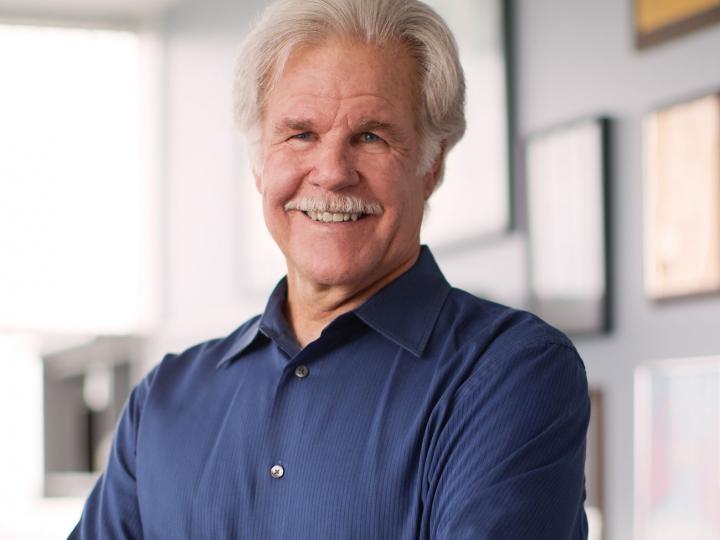
Scientists at Sanford Burnham Prebys Medical Discovery Institute have received a $3 million grant from the National Institutes of Health (NIH) to study how SARS-CoV-19 weakens the immune system–and identify drugs to help infected individuals recover. The research will be led by Carl Ware, Ph.D., director of the Institute’s Infectious and Inflammatory Disease Center, and builds on the Institute-wide initiative to develop therapeutics to treat COVID-19.

“SARS CoV2 is an aggressive pathogen causing severe lung disease in unknown ways,” says Ware. “What we have learned in this short time is that severe disease is linked to an overwhelming inflammatory response–or ‘cytokine storm’–that can be potentially deadly when it leads to life-threatening pneumonia or acute respiratory distress syndrome.

“Our goal is to learn how the coronavirus inactivates the ‘good’ antiviral cytokine pathways we need to fight the virus, and instead causes too much inflammation. We will be testing drugs for their ability to reverse these harmful pathways, stop viral replication and restore our ‘healthy’ immune response.”

Cytokines

Cytokines are small, secreted proteins released by cells that regulate communications between immune cells. There are different types of cytokines; some promote inflammation, and others keep inflammation under control. A “cytokine storm” occurs when an excessive level of certain cytokines is released in response to the virus, creating high levels of inflammation in the lung–so much so that it can be fatal.

Ware’s team will be identifying SARS-CoV-19 proteins that dysregulate cytokines and screen for therapeutically active drugs to restore balance to the immune system. The team will also use animal models of coronavirus lung infection to investigate the signaling pathways that regulate antiviral cytokines. Together, the research is aimed to identify drugs that restore the body’s immune response to the virus–and understand how they work.

Ware will be working with Sumit Chanda, Ph.D., director of the Institute’s Immunity and Pathogenesis Program; and Evan Snyder, M.D., Ph.D., director of the Center for Stem Cells and Regenerative Medicine at the Institute. Chanda and Snyder have also received research grants to screen for and validate existing drugs that can be repurposed to treat COVID-19.

“I’m especially pleased to be working with my colleagues, who bring expertise in drug screening, viral immunology, pharmacology and disease modeling,” says Ware. “We have a track record of success and an array of available genetic and pharmacologic tools, and we are eager to get started and help put an end to this dangerous pandemic.”

###

About Sanford Burnham Prebys Medical Research Institute

Sanford Burnham Prebys is a preeminent, independent biomedical research institute dedicated to understanding human biology and disease and advancing scientific discoveries to profoundly impact human health. For more than 40 years, our research has produced breakthroughs in cancer, neuroscience, immunology and children’s diseases, and is anchored by our NCI-designated Cancer Center and advanced drug discovery capabilities. For more information, visit us at SBPdiscovery.org or on Facebook at facebook.com/SBPdiscovery and on Twitter @SBPdiscovery.

Media Contact
Susan Gammon
[email protected]

Tags: BiologyCell BiologyImmunology/Allergies/AsthmaInfectious/Emerging DiseasesVaccinesVirology
Share12Tweet8Share2ShareShareShare2

Related Posts

How to sway group opinions: Encourage opponents to stay undecided

How to sway group opinions: Encourage opponents to stay undecided

March 23, 2026
Deep Learning Model Maps How Individual Cells Shape Disease Outcomes

Deep Learning Model Maps How Individual Cells Shape Disease Outcomes

March 20, 2026

Removing only 15 female sharks annually could endanger the entire population, scientists warn

March 20, 2026

Scientists Urge Fragrance Industry to Transition from Sustainability Talk to Active Funding of Plant Conservation

March 20, 2026
Please login to join discussion

POPULAR NEWS

  • blank

    Revolutionary AI Model Enhances Precision in Detecting Food Contamination

    96 shares
    Share 38 Tweet 24
  • Imagine a Social Media Feed That Challenges Your Views Instead of Reinforcing Them

    1003 shares
    Share 397 Tweet 248
  • Uncovering Functions of Cavernous Malformation Proteins in Organoids

    54 shares
    Share 22 Tweet 14
  • Promising Outcomes from First Clinical Trials of Gene Regulation in Epilepsy

    51 shares
    Share 20 Tweet 13

About

We bring you the latest biotechnology news from best research centers and universities around the world. Check our website.

Follow us

Recent News

In-Sensor Cryptography Links Physical Process to Digital Identity

Can Psychosocial Factors Influence Cancer Risk?

Depression Factors in Elderly: Pre vs. Post-COVID Analysis

Subscribe to Blog via Email

Success! An email was just sent to confirm your subscription. Please find the email now and click 'Confirm' to start subscribing.

Join 78 other subscribers
  • Contact Us

Bioengineer.org © Copyright 2023 All Rights Reserved.

Welcome Back!

Login to your account below

Forgotten Password?

Retrieve your password

Please enter your username or email address to reset your password.

Log In
No Result
View All Result
  • Homepages
    • Home Page 1
    • Home Page 2
  • News
  • National
  • Business
  • Health
  • Lifestyle
  • Science

Bioengineer.org © Copyright 2023 All Rights Reserved.