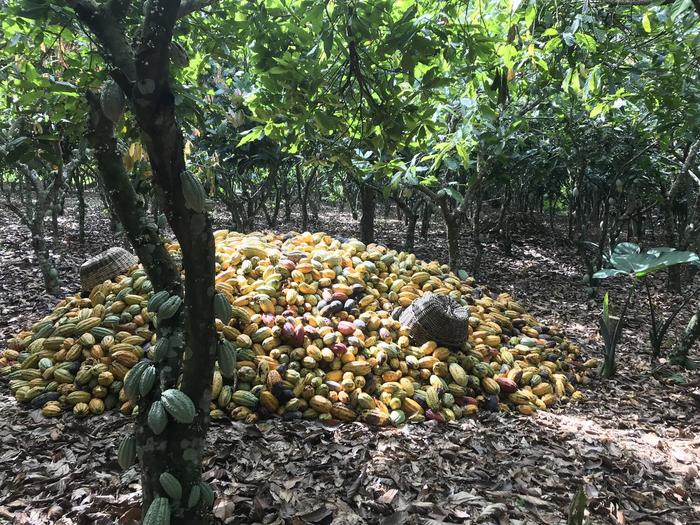

Sustainability certifications like Fairtrade, Rainforest Alliance, and Cocoa Life are often heralded as vital tools for improving the livelihoods of small-scale cocoa farmers while also safeguarding the natural ecosystems in which they operate. These certifications promise to not only enhance the economic conditions for farmers by offering them better prices for their cocoa, but they also aim to preserve biodiversity in agricultural practices. A recent comprehensive study conducted in collaboration with the European Commission’s Joint Research Centre and researchers from the University of Göttingen sought to rigorously investigate whether these ambitious claims hold water within the context of Ghana’s cocoa production.
By conducting extensive fieldwork that included interviews with over 800 cocoa producers and biodiversity assessments across nearly 120 cocoa plantations, researchers aimed to get a clearer picture of the real-world effects of sustainability certifications. They focused on the specific outcomes for small-scale producers and the state of biodiversity in their agro-ecosystems. Despite the positive economic impacts observed due to better yields and increased income, the findings revealed a disappointing reality concerning biodiversity: the anticipated positive changes were either minimal or non-existent.
Ghana is recognized as the second-largest cocoa producer globally, with a profound impact on both its economy and social fabric. However, the industry is also marred by socioeconomic problems—farmers often struggle with poverty, and the environmental impacts of traditional farming methods can be severe. This backdrop makes the findings of this research especially significant. The researchers confirm that while the certification processes have led to better economic outcomes for small-scale producers, they have also highlighted a troubling disconnect between improved economic metrics and biodiversity health.
Marlene Wätzold, first author of the published study, emphasized that the training and resources provided as part of the certification process have successfully encouraged farmers to increase their yields and income streams. However, despite the integration of biodiversity-promoting practices into the certification criteria, the study found no significant improvements in biodiversity metrics across the certified farms. This raises troubling questions about the effectiveness of current sustainability standards in addressing ecological concerns.
The study points out that the lack of noticeable changes in biodiversity may not necessarily signal a failure of the certifications themselves but could reflect the timeframes required for ecological indicators to manifest meaningful change. Identifying significant shifts in biodiversity often requires long-term observations, which means immediate results may be elusive. That said, the apparent lack of biodiversity improvement, even after certified practices have been adopted, suggests a need for a more holistic approach to sustainability in cocoa production.
Dr. Carolina Ocampo-Ariza, a co-author of the research, noted that the study does not support the notion of a trade-off between yield and biodiversity. However, the complexity of ecological systems means that improvements in biodiversity may simply take longer to observe. This nuance is essential, particularly when discussing long-term agricultural practices and their potential ramifications on ecological health.
The gap between economic success and ecological well-being suggests that additional measures may be required to see tangible improvements in biodiversity alongside the economic advantages of certification. While the higher yields resulting from certification are commendable, researchers advocate that integrating more robust biodiversity conservation practices into these certifications could lead to more favorable ecological outcomes.
Given the extensive scope of this research, which included diverse geographical areas and a wide variety of farming practices, the conclusions drawn provide a rich tapestry of information that can inform policy and practice in the cocoa sector. The robust methodology applied in this study sets a high standard for future research in agricultural sustainability, particularly in regions where small-scale farmers dominate the sector.
The study advocates for a re-evaluation of current sustainability standards, suggesting they need to be complemented with explicit biodiversity conservation measures that can translate economic success into ecological resilience. The complexities of ecological systems necessitate long-term thinking and action, advocating for a collaborative approach among stakeholders.
As the cocoa industry grapples with various socioeconomic and environmental challenges, this study highlights the importance of continually assessing and refining sustainability measures to truly benefit both people and the planet. The findings provide a basis for policymakers, agriculturalists, and environmentalists to work collaboratively toward a future where both the livelihood of cocoa producers and the health of ecosystems can thrive together.
In summary, while the introduction of voluntary sustainability standards appears to have positively affected the rural economic landscape of Ghana’s cocoa producers, the unfulfilled promise of biodiversity improvements reveals the need for continued innovation and adaptation in sustainability practices. Future research should aim for a more integrated approach, combining economic, social, and ecological objectives in order to create a sustainable cocoa sector that can endure and adapt to the challenges ahead.
Subject of Research: Socioeconomic and ecological impacts of sustainability certifications in cocoa production
Article Title: Do voluntary sustainability standards improve socioeconomic and ecological outcomes? Evidence from Ghana’s cocoa sector
News Publication Date: 3-Feb-2025
Web References: Ecological Economics
References: Marlene Yu Lilin Wätzold et al., Ecological Economics (2025). DOI: 10.1016/j.ecolecon.2024.108474
Image Credits: David Wagner
Keywords: Sustainability, Cocoa Production, Economic Outcomes, Biodiversity, Ghana, Certification Standards, Environmental Conservation, Agricultural Practices, Socioeconomic Development, Ecological Economics
Tags: agro-ecosystem health assessmentsbiodiversity in cocoa productioncocoa farming sustainability researchecological preservation in agricultureeconomic benefits of cocoa certificationsenhancing farmer income through certificationsFairtrade and Rainforest Alliance impactGhana cocoa industry challengesimportance of sustainability certificationsimproving livelihoods through ethical sourcingsmall-scale producer livelihoodssustainable cocoa farming practices