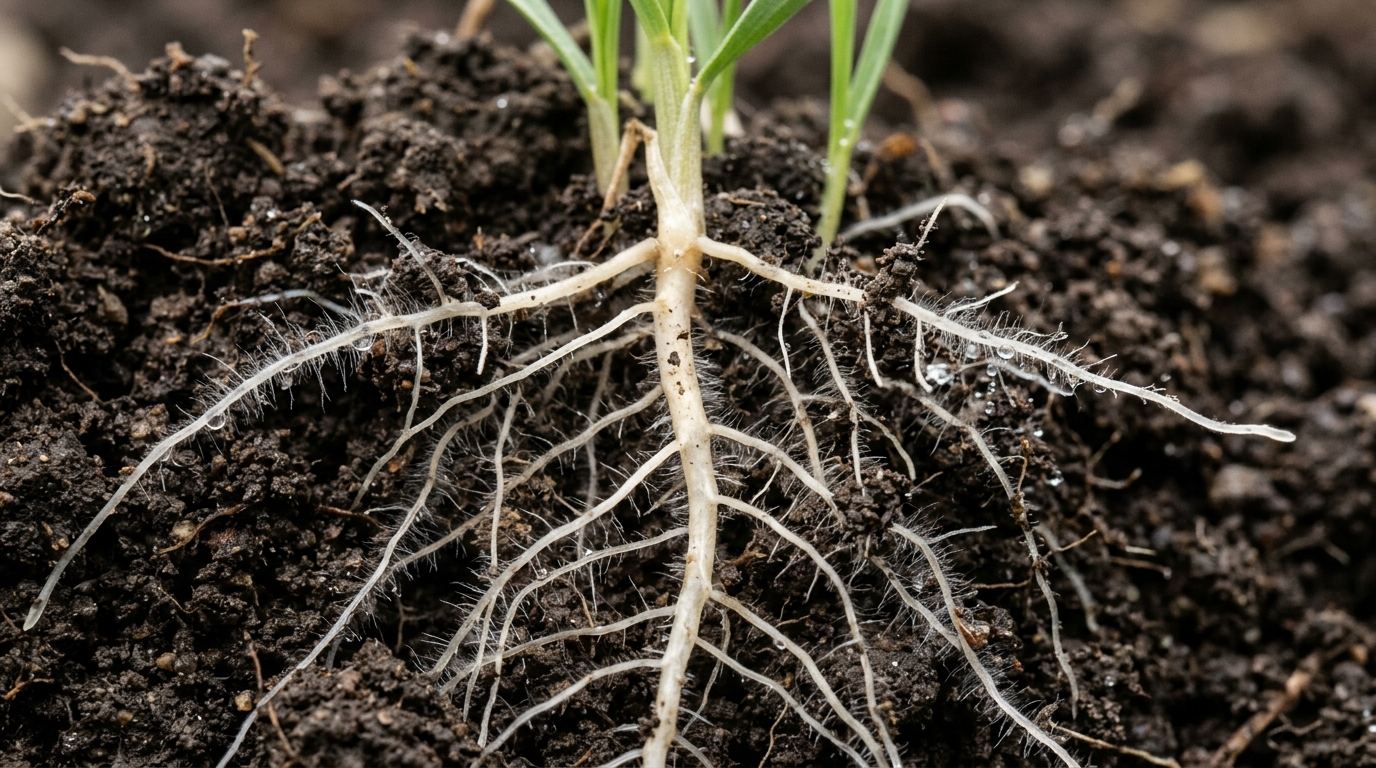
Comparative proteomic profiling of bread wheat roots has revealed how distinct cultivars respond at the molecular level to soil zinc deficiency. Zinc deficiency is recognized as a major nutritional constraint that severely affects wheat growth and overall crop productivity, yet the specific molecular mechanisms underlying root zinc efficiency in bread wheat have remained insufficiently understood. To address this clear knowledge gap, researchers conducted a comprehensive root proteome analysis comparing bread wheat cultivars that exhibit contrasting efficiency characteristics under soil zinc deficiency conditions.
The research was conducted under greenhouse conditions using a completely randomized design structured as a factorial experiment with three biological replications. The experimental framework evaluated two specific bread wheat cultivars chosen for their contrasting zinc efficiency traits: the zinc-efficient cultivar designated Hamoon and the zinc-inefficient cultivar designated Hirmand. By comparing these two cultivars directly, the study aimed to isolate the protein-level mechanisms that allow certain wheat varieties to maintain productivity when soil zinc availability is compromised.
To establish contrasting nutritional treatments, both cultivars were grown under two strictly controlled soil regimens representing zinc-sufficient and zinc-deficient conditions. The zinc-sufficient control environment was supplied with 5 mg kg-¹ of soil zinc, while the zinc-deficient treatment provided less than 0.5 mg kg-¹ of soil zinc. Root tissue samples from both the Hamoon and Hirmand cultivars were harvested during the reproductive growth stage, specifically when plants reached 30 percent spiking, ensuring that proteomic measurements captured root activity during this critical developmental window.
Proteomic profiling of the collected root tissues was carried out using two-dimensional electrophoresis, allowing the research team to resolve and compare hundreds of individual protein spots. Across the comparative evaluations, the analysis detected 834 reproducible protein spots in the zinc-efficient cultivar Hamoon and 793 reproducible protein spots in the zinc-inefficient cultivar Hirmand. When subjected to the severe soil zinc deficiency conditions, 332 protein spots in Hamoon and 280 protein spots in Hirmand displayed statistically significant changes in abundance relative to their zinc-sufficient baseline counterparts.
From the proteins showing significant quantitative variations, researchers selected twenty protein spots that exhibited the most pronounced differential expression under zinc deficiency for downstream characterization. These twenty key protein spots were subsequently identified using matrix-assisted laser desorption/ionization time-of-flight tandem mass spectrometry, commonly known as MALDI TOF/TOF mass spectrometry, providing precise identification of the responsive proteins.
The identified differentially expressed proteins were classified into nine distinct functional categories based on their biological roles. These categories included defense and stress responses, energy and carbohydrate metabolism, secondary metabolism, hormone signaling, protein biosynthesis, transport processes, mRNA processing, chloroplast binding, and cellular organization. Subsequent enrichment analysis demonstrated that the differentially abundant proteins were predominantly involved in carbon metabolism pathways and energy-related metabolic pathways within the root system.
To further understand how these responsive proteins operate within regulatory networks, the authors performed protein-chemical interaction network analysis. This analysis suggested that plant hormones play an integral role in mediating tolerance to zinc deficiency in bread wheat. Specifically, the network findings indicated that, in addition to auxin, signaling molecules including ethylene and abscisic acid actively contribute to zinc deficiency tolerance across the cultivars.
Overall, the authors reported that the identified root proteins provide valuable scientific insights into the molecular basis governing zinc efficiency in bread wheat. Because soil zinc deficiency remains a widespread agricultural challenge, the researchers noted that these findings and candidate proteins may directly support future efforts to improve crop tolerance against zinc deficiency through targeted breeding programs or advanced biotechnological approaches.
Subject of Research: Root proteomic responses of bread wheat cultivars to soil zinc deficiency
Article Title: Root proteome analysis of bread wheat cultivars under soil Zn deficiency conditions
Article References: Shakouri, M., Abdollahi Mandoulakani, B., Norouzi, M., & Najafi, S. (2026). Root proteome analysis of bread wheat cultivars under soil Zn deficiency conditions. BMC Plant Biology. https://doi.org/10.1186/s12870-026-10376-1
Image Credits: AI Generated
DOI: 10.1186/s12870-026-10376-1
Keywords: bread wheat, root proteome, zinc deficiency, soil zinc deficiency, zinc efficiency, Hamoon, Hirmand, two-dimensional electrophoresis, MALDI TOF/TOF mass spectrometry, defense and stress responses, energy and carbohydrate metabolism, secondary metabolism, hormone signaling, protein biosynthesis, carbon metabolism, auxin, ethylene, abscisic acid
News Source: Alan Morgan. (November 14, 2026). Root Proteomic Profiling Identifies Key Protein Shifts in Zinc-Deficient Bread Wheat. Scienmag.