A traditional Chinese medicinal herb with a stubborn habit of soaking up cadmium has now given up some of its secrets. In a study published in Chemical and Biological Technologies in Agriculture, researchers combined transcriptome sequencing with organic acid profiling in Ilex asprella roots and mapped a network of genes and metabolites that appears to underpin the plant’s tolerance to the toxic heavy metal. The work, led by Peiran Liao, Zijie Qiu, Hongyang Huang and colleagues with Bi Luo as senior author, offers both a mechanistic model and a potential breeding pathway for reducing cadmium loads in a herb prized for its medicinal value.
The motivation is practical. Ilex asprella, used in traditional Chinese medicine and of considerable economic value, has a strong tendency to accumulate cadmium, and excessive heavy metal levels can severely compromise its medicinal quality and industrial development. Until now, the physiological and molecular mechanisms behind cadmium tolerance and accumulation in this species remained unclear. Because organic acids are known to play crucial roles in how plants respond to heavy metal stress, the team set out to integrate transcriptomic and organic acid profiling analyses to elucidate the molecular mechanisms of cadmium tolerance in the roots.
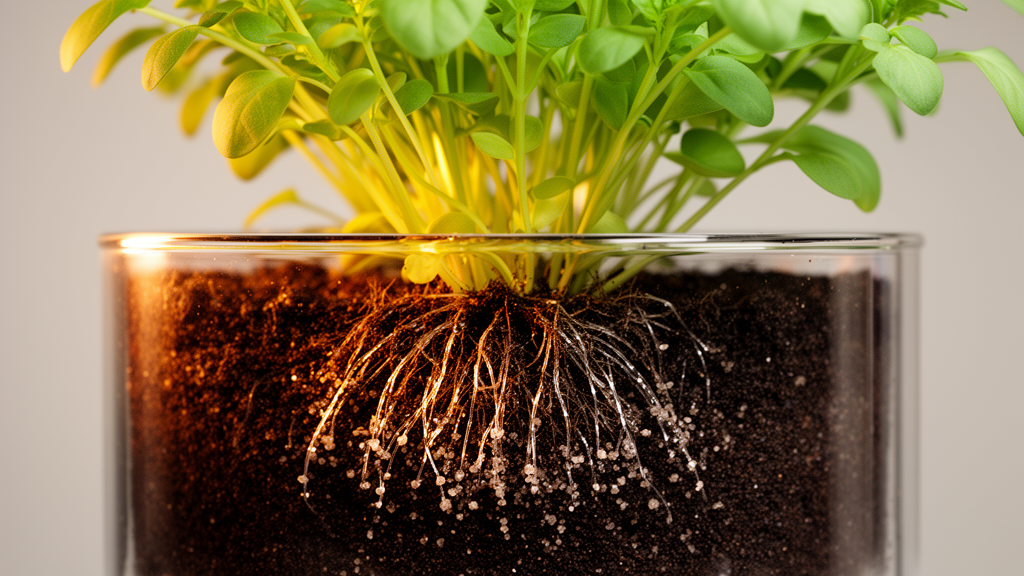
The experimental design was a controlled hydroponic time course. Seedlings were treated with 50 micromoles per litre of cadmium chloride for varying durations from zero to 72 hours, and the researchers tracked both total cadmium content in the roots and the dynamics of organic acids in root tissue and root exudates. Total root cadmium content increased continuously over the treatment period and plateaued after 48 hours, giving the team a clear temporal window in which to look for molecular responses that track metal uptake.
Using Mfuzz time-series clustering and lagged cross-correlation analysis, the researchers identified six cadmium-responsive organic acids: citric acid, malic acid, lactic acid, oxalic acid, acetic acid and sinapic acid. Each of these acids showed a persistently increasing pattern in both the roots themselves and in the root exudates, the chemical cocktail that plants release into the surrounding rhizosphere. Critically, all six were strongly positively correlated with root cadmium content, suggesting that their accumulation is not incidental but tightly linked to the metal’s build-up in root tissue.
The transcriptomic side of the study revealed three major gene expression patterns across the time course. To connect those patterns to the metabolite data, the team applied weighted gene co-expression network analysis, or WGCNA, which identified core regulatory modules significantly associated with the six organic acids. Functional enrichment analysis showed that the hub genes within these modules were mainly involved in carbon metabolism, phenylpropanoid biosynthesis, and glyoxylate and dicarboxylate metabolism. These are precisely the kinds of pathways one would expect to feed organic acid biosynthesis, since intermediates of central carbon metabolism supply the carbon skeletons for citrate, malate and related compounds.
Co-expression network construction went a step further and pinpointed 15 key transcription factors that may coordinately regulate organic acid biosynthesis and transport. Among the named candidates are LBD31, WOX13 and MYB36, regulatory proteins that in this system appear to sit upstream of the metabolic shifts. The authors propose that cadmium stress activates these specific transcription factors, which in turn upregulate functional genes involved in carbon metabolism, glycolysis, phenylpropanoid biosynthesis and related pathways, thereby promoting the synthesis of organic acids such as citrate and malate.
What might those organic acids actually do for the plant? According to the study’s proposed model, they contribute to cadmium detoxification through multiple synergistic mechanisms. Cadmium chelation binds the metal ions into less reactive complexes; vacuolar sequestration locks those complexes away in cellular compartments where they cannot interfere with metabolism; reactive oxygen species scavenging counters the oxidative damage that heavy metals typically provoke; and rhizosphere chelation, mediated by the acids exuded from roots, alters the chemical environment around the root itself. Together, the authors conclude, these processes may contribute to cadmium tolerance and accumulation in Ilex asprella.
The findings carry implications beyond basic plant biology. Because the herb’s cadmium problem directly affects its medicinal quality, understanding the molecular machinery of tolerance and accumulation opens the door to intervention. The researchers suggest that their results provide genetic resources and a theoretical foundation for further understanding plant metal detoxification and for breeding varieties with reduced cadmium accumulation. In other words, the hub genes and transcription factors identified here could serve as markers or targets for selecting Ilex asprella lines that grow normally while leaving more of the cadmium behind in the soil.
It is worth noting the scope and limits of the evidence. The study was conducted in hydroponic culture with a single cadmium concentration over a 72-hour window, so the proposed model of organic acid-mediated cadmium tolerance remains a hypothesis grounded in correlation and co-expression rather than direct functional proof; the authors themselves frame the transcription factors as genes that may coordinately regulate the process. The article was also shared early as a peer-reviewed accepted manuscript, citable with a permanent DOI but subject to further edits before the final Version of Record. Even so, by tying a specific set of metabolites to specific regulatory modules and candidate transcription factors, the study lays out a testable framework that could eventually extend to other crops and medicinal plants facing the same heavy metal burden.
Subject of Research: Cadmium tolerance mechanisms in Ilex asprella roots revealed through transcriptome and organic acid profiling
Article Title: Transcriptome and organic acid profiling uncover Cd tolerance mechanisms in Ilex asprella roots
Article References: Liao, P., Qiu, Z., Huang, H., Zhou, X., Li, W., Yang, Q., Zhang, Y., Ma, C., & Luo, B. (2026). Transcriptome and organic acid profiling uncover Cd tolerance mechanisms in Ilex asprella roots. Chemical and Biological Technologies in Agriculture. https://doi.org/10.1186/s40538-026-01084-x
Image Credits: AI Generated
DOI: 10.1186/s40538-026-01084-x
Keywords: Ilex asprella, cadmium tolerance, organic acids, transcriptomics, WGCNA, transcription factors, root exudates, heavy metal detoxification, medicinal plants, hydroponics, plant metabolism, cadmium accumulation
News Source: Bethany Barker. (October 30, 2026). Root Chemistry Reveals How a Chinese Medicinal Herb Tolerates Cadmium. Scienmag.