

• HOME
  • NEWS
  • EXPLORE
    • CAREER
      • Companies
      • Jobs
    • EVENTS
    • iGEM
      • News
      • Team
    • PHOTOS
    • VIDEO
    • WIKI
  • BLOG
  • COMMUNITY
    • FACEBOOK
    • INSTAGRAM
    • TWITTER
Saturday, July 4, 2026
BIOENGINEER.ORG
No Result
View All Result
  • Login
  • HOME
  • NEWS
  • EXPLORE
    • CAREER
      • Companies
      • Jobs
        • Lecturer
        • PhD Studentship
        • Postdoc
        • Research Assistant
    • EVENTS
    • iGEM
      • News
      • Team
    • PHOTOS
    • VIDEO
    • WIKI
  • BLOG
  • COMMUNITY
    • FACEBOOK
    • INSTAGRAM
    • TWITTER
  • HOME
  • NEWS
  • EXPLORE
    • CAREER
      • Companies
      • Jobs
        • Lecturer
        • PhD Studentship
        • Postdoc
        • Research Assistant
    • EVENTS
    • iGEM
      • News
      • Team
    • PHOTOS
    • VIDEO
    • WIKI
  • BLOG
  • COMMUNITY
    • FACEBOOK
    • INSTAGRAM
    • TWITTER
No Result
View All Result
Bioengineer.org
No Result
View All Result
Home Headlines

RNs can play key role in identifying medication issues to improve…

Bioengineer.org by Bioengineer.org
January 25, 2018
in Headlines, Health, Science News
Reading Time: 2 mins read
0
Share on FacebookShare on TwitterShare on LinkedinShare on RedditShare on Telegram
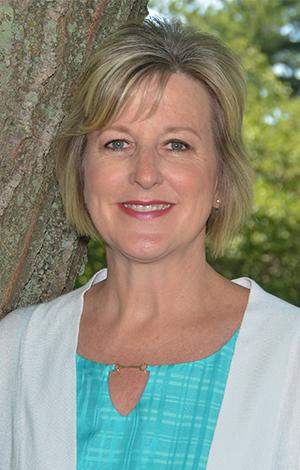
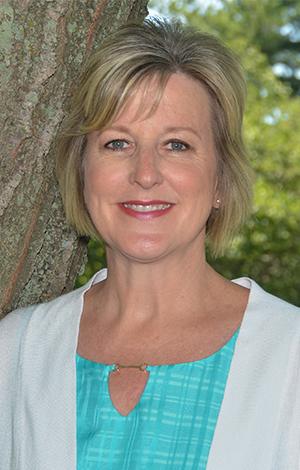
IMAGE

Credit: MU News Bureau

COLUMBIA, Mo. – Medication reconciliation is a safety practice to identify medication order discrepancies when patients transition from hospitals to nursing homes. Nurses serve on the front lines of this practice, yet not all nurses have the same education and preparedness to ensure resident safety. Now, nursing care experts from the University of Missouri have found that registered nurses (RNs) are better equipped compared to licensed practical nurses (LPNs) to identify discrepancies that could cause residents harm.

"Complications from medication order discrepancies pose a real risk to nursing home resident safety," said Amy Vogelsmeier, associate professor in the MU Sinclair School of Nursing and lead author of the study. "Knowing how nursing home staff, especially nurses, are handling medication orders can help nursing homes improve care and ensure that residents are safe."

The research team looked at how RNs and LPNs described their roles in medication reconciliation and their rationale for identifying medication order discrepancies. The researchers interviewed nurses working in 12 different Midwestern nursing homes.

Nurses reported varying demands in regard to reviewing medication orders, such as communicating with hospital staff or considering nursing home rules and regulations. However, when performing medication reconciliation RNs were more concerned about accuracy, safety and knowing the resident's clinical condition. They found LPNs were more concerned about time and more likely to make assumptions about medication orders. In addition, LPNs were more likely to fail to recognize the complexities of residents' medical conditions and rely on rules to guide decisions.

"Both RNs and LPNs serve as valuable assets to nursing homes and play critical roles in improving resident care," Vogelsmeier said. "However, RNs offer a unique contribution to complex processes such as medication reconciliation because of their education. Nursing home leaders must acknowledge the differences and make certain the most qualified practitioner is assigned to handling medication orders to ensure residents remain safe."

###

"A qualitative study describing nursing home nurses sensemaking to detect medication order discrepancies," was published in BMC Health Services Research. Assisting with the research from MU were Lawrence Ganong, professor of nursing and chair of the Department of Human Development and Family Sciences; Allison Anbari, former doctoral student; and MaryAnn Niemeyer, current doctoral student. Other co-authors were Ruth Anderson, professor and associate dean for research at the University of North Carolina at Chapel Hill; and Armany Farag, assistant professor at the University of Iowa. The study was funded by the National Council State Boards of Nursing.

Media Contact

Sheena Rice
[email protected]
573-882-8353
@mizzounews

http://www.missouri.edu

Original Source

http://munews.missouri.edu/news-releases/2017/1101-registered-nurses-can-play-key-role-in-identifying-medication-issues-to-improve-nursing-home-care/

Share12Tweet8Share2ShareShareShare2

Related Posts

Quasi-Bound States Boost Quantum Well Photoresponse — Technology and Engineering

Quasi-Bound States Boost Quantum Well Photoresponse

July 4, 2026

Lysine Pyruvylation Links Glycolysis to Epigenetics

July 4, 2026

Multiphysics Coupling: Single vs. Multiple DeepONet Branches

July 4, 2026

Personalized Neoantigen Dendritic Cell Vaccine in Glioblastoma

July 4, 2026
Please login to join discussion

POPULAR NEWS

  • Detection of EDCs in Breast Milk and Infant Urine Up to Six Months Highlights Early Exposure Risks

    77 shares
    Share 31 Tweet 19
  • Saying Goodbye to PGY-6: Pediatric Fellowship Realities

    103 shares
    Share 41 Tweet 26
  • New Drug Candidate Developed at McMaster Shows Potential for Treating Brain Cancer

    58 shares
    Share 23 Tweet 15
  • KTU Researchers Explore Ultrasound’s Role in Enhancing Blood Flow Beyond Diagnostics

    53 shares
    Share 21 Tweet 13

About

We bring you the latest biotechnology news from best research centers and universities around the world. Check our website.

Follow us

Recent News

Quasi-Bound States Boost Quantum Well Photoresponse

Lysine Pyruvylation Links Glycolysis to Epigenetics

Multiphysics Coupling: Single vs. Multiple DeepONet Branches

Subscribe to Blog via Email

Enter your email address to subscribe to this blog and receive notifications of new posts by email.

Join 83 other subscribers
  • Contact Us

Bioengineer.org © Copyright 2023 All Rights Reserved.

Welcome Back!

Login to your account below

Forgotten Password?

Retrieve your password

Please enter your username or email address to reset your password.

Log In
No Result
View All Result
  • Homepages
    • Home Page 1
    • Home Page 2
  • News
  • National
  • Business
  • Health
  • Lifestyle
  • Science

Bioengineer.org © Copyright 2023 All Rights Reserved.
